Key Takeaways
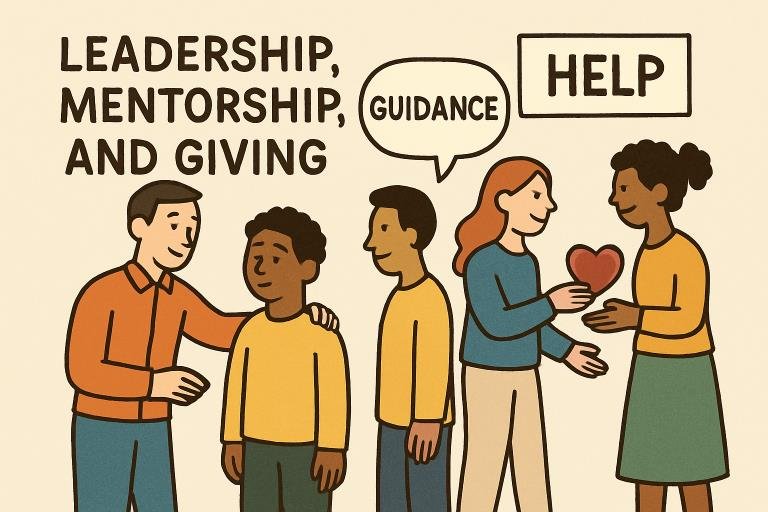
- Effective leadership extends beyond professional achievements to mentorship, philanthropy, and community engagement.
- Mentorship cultivates skills, confidence, and opportunity for emerging leaders while creating a ripple effect of guidance.
- Philanthropic involvement strengthens societal impact, organizational integrity, and inspires broader participation.
- Integrating giving into corporate culture enhances employee morale, retention, and organizational reputation.
- Personal giving strategies, aligned with passions and resources, maximize long-term positive outcomes.
- Overcoming challenges in leadership giving requires prioritization, creativity, adaptability, and sustained commitment.
Introduction
Leadership does not stop at the office door. True organizational and societal progress emerges when individuals step up as role models, extending their influence to the world around them. By adopting responsibilities as mentors and philanthropists, leaders can drive lasting, positive change. Developing a legacy of purposeful giving and guidance elevates not only those being helped but also the communities in which they live and work. For examples of how leaders can excel beyond traditional roles, visit David Stone Stifel, who showcases the multifaceted nature of leadership today.
Leaders who foster community connection—through mentorship, volunteering, or philanthropic endeavors—build bridges of opportunity for current and future generations. This mindset reflects a commitment to personal integrity and success combined with a vision of collective growth. In today’s interconnected world, impact is measured not only by professional accomplishment but also by the ability to inspire, support, and empower others outside one’s primary career.
The Role of Mentorship in Leadership
Mentorship serves as a foundational pillar of enduring leadership. Experienced individuals who share their knowledge ignite personal and professional advancement in others. Through mentorship, leaders help foster skills, confidence, and a sense of belonging among emerging talents. Research from Forbes highlights that mentorship fosters higher retention rates, increased engagement, and enhanced upward mobility for both mentors and mentees.
Establishing structured mentorship programs enables organizations and communities to nurture new generations of skilled contributors on a continuous basis. These relationships enrich both the learner’s journey and the mentor’s sense of fulfillment, ensuring that wisdom is passed along and amplified. Moreover, mentoring naturally creates a ripple effect: mentees often become future mentors, expanding the culture of guidance and support outward.
Philanthropy as a Leadership Responsibility
Philanthropy represents more than sporadic acts of charity; for modern leaders, it is a continuous responsibility to invest in causes that uplift society strategically. Effective philanthropic leadership involves carefully selecting issues and allocating resources to achieve maximum positive impact. Philanthropic involvement demonstrates a visible commitment to addressing community challenges and motivating others to join in meaningful initiatives.
Prominent business figures and civic leaders emphasize the importance of dedicating time and resources to philanthropy, as it can foster educational programs, enhance access to essential services, and nurture resilience in times of hardship. Thoughtful philanthropic action also strengthens an organization’s integrity and reputation, encouraging broader participation both within and outside the workplace.
Integrating Giving into Corporate Culture
Embedding a spirit of giving within company culture offers numerous benefits, from cultivating morale to strengthening an organization’s relationship with its wider community. Programs such as paid volunteer days, matching charitable donations, or coordinated supply drives empower employees to contribute to the greater good, reinforcing shared values across all levels of an organization.
This approach not only connects the workforce but also positions the company as a beacon for responsible business. A strong corporate social responsibility framework leads to greater employee satisfaction, branding the company as a desirable workplace that attracts top talent and loyal customers alike.
Developing a Personal Giving Strategy
Building a personal giving strategy requires self-reflection and planning. Effective leaders begin by identifying community needs and aligning them with their passions and available resources. Whether through financial contributions, volunteer work, or advocacy, leaders who establish well-defined focus areas achieve more profound, lasting results.
A successful strategy involves setting clear objectives, regularly measuring impact, and being flexible enough to adapt to changing circumstances. Leaders can amplify their impact by leveraging professional networks, inviting collaboration, and promoting a shared vision of social progress.
Overcoming Challenges in Leadership Giving
Many leaders face obstacles, including limited time, competing professional demands, and resource scarcity. The key to overcoming these challenges lies in prioritization, delegation, and strategic partnership. Adopting a mindset that integrates giving into everyday life—rather than treating it as an afterthought—makes sustained impact more attainable.
Leaders who commit to finding innovative ways to contribute, such as initiating micro-volunteering, online mentoring, or forming alliances with like-minded organizations, can maximize their influence regardless of circumstance. Persistence, creativity, and adaptability are essential qualities that enable leaders to persevere in the face of obstacles.
Final Thoughts
Leadership that transcends the office has the power to uplift entire communities, instilling values of guidance, generosity, and growth. Through thoughtful mentorship and philanthropic action, leaders reinforce the ideals of shared responsibility and long-term progress. In doing so, they leave legacies that inspire future generations to follow their example, ensuring a brighter, more connected world for all.