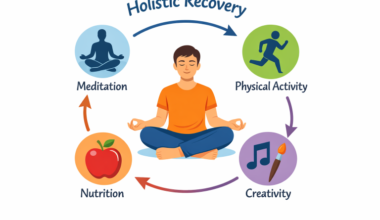
Have you ever wondered why some people seem to stay healthy without doing anything extreme? They don’t follow the latest fitness trends or jump from one diet to another. Instead, they stick to simple routines and make quiet, steady choices. While it might not look impressive from the outside, this kind of care can make a huge difference over time. Small daily habits often lead to big health results.
In this blog, we will share simple ways to improve your health through small, consistent steps that really add up.
The Power of Small Daily Habits
Taking care of your health doesn’t have to involve extreme workouts or strict diets. In fact, it’s the small actions you repeat every day that shape your well-being the most. Drinking water regularly, eating balanced meals, getting enough sleep, and stretching for a few minutes each morning are all examples of subtle habits that support your body over time. These actions may seem minor on their own, but together, they build a strong foundation for a healthy life.
It’s easy to underestimate these habits because the results don’t appear overnight. But when you brush your teeth twice a day, go for short walks, or set time limits for screen use, you’re doing more than just checking boxes. You’re training your body and mind to stay balanced.
Why Consistency Beats Intensity
It’s tempting to dive into new health routines with full energy. Many people sign up for intense programs, make huge diet changes, or buy expensive gear. But after a few weeks, motivation fades, and the habits fall apart. On the other hand, people who stick to smaller, more realistic goals often see better results.
Let’s say you want to improve your smile and feel more confident. Instead of waiting until things get worse, you might search for expert orthodontics in my area. By taking this one step, you’re choosing long-term care instead of a quick fix. Visiting an orthodontist regularly and following their advice, even when it seems minor, can lead to major improvements over time. This is what subtle, consistent care looks like. It’s about staying on track even when progress feels slow, trusting that steady efforts pay off.
Making Time for Regular Movement
You don’t have to be a gym lover or run every day to keep your body active. Simple, regular movement is enough to improve your health. Think about walking, stretching, or even dancing around your living room. These gentle activities help your muscles, joints, and heart without being too hard on your body. The goal isn’t to push yourself to exhaustion but to move enough to stay flexible and strong.
Regular movement also supports mental health. It reduces stress and helps you sleep better. If you make time for it daily—maybe during a break or after dinner—you’ll notice the benefits without needing to carve out hours. Consistency is more important than intensity. Even ten minutes a day can make a big difference. This kind of simple, repeatable care supports your energy levels and helps you stay in touch with your body’s needs.
Eating with Purpose, Not Perfection
Trying to eat the “perfect” diet often leads to frustration. Instead of aiming for strict rules, focus on making better choices slowly. Adding more fruits and vegetables to your meals is a great place to start. You don’t need to cut out everything you love. Just think about balance. When you fill your plate with colorful, whole foods, your body gets the nutrients it needs to stay strong.
Consistency matters here, too. Eating one healthy meal won’t change much, but doing it every day adds up. You’ll feel more energized, focused, and comfortable in your body. Don’t stress about doing everything perfectly. Just keep making small adjustments. Over time, these choices become habits. You’ll find that eating with purpose—not perfection—leads to better health and a more relaxed relationship with food.
The Role of Sleep in Long-Term Health
Sleep is often overlooked when people think about health. But getting enough rest every night is one of the most powerful things you can do for your body and mind. It helps your brain function, boosts your mood, and allows your body to repair itself. When you’re well-rested, you’re more likely to make smart choices and stick with your healthy habits.
Consistency with sleep is key. Try to go to bed and wake up at the same time every day, even on weekends. Make your bedroom a calm place with low lights and no screens. Even if you can’t get eight hours, sticking to a routine helps your body know when it’s time to rest. Subtle sleep habits, like turning off your phone earlier or drinking tea before bed, make a big difference in how well you feel each day.
Caring for Your Mind, Too
Physical health often gets more attention, but mental health is just as important. Taking care of your mind helps you stay calm, focused, and emotionally steady. You don’t need to go to therapy every week to do this (though it helps if you can). Start with simple actions like writing in a journal, practicing deep breathing, or spending time with people who make you feel good.
Consistent mental care means checking in with yourself regularly. Ask how you’re feeling, and give yourself permission to rest when needed. Stay connected with friends and try to find moments of quiet during your day. These small practices help prevent burnout and keep stress from piling up. Just like with physical health, the little things you do for your mental well-being can have a big impact over time.
In conclusion, lasting health doesn’t come from quick fixes or dramatic changes. It comes from small choices that build up over time. When you focus on what you can do today—drink water, go for a walk, get to bed on time—you create a strong base. Over time, these little steps become second nature. They help you feel better, move better, and live more fully. You don’t need to be perfect. You just need to keep going. Each quiet decision is a gift to your future self. Subtle, consistent care doesn’t shout for attention—but it leads you to a healthier, more balanced life.