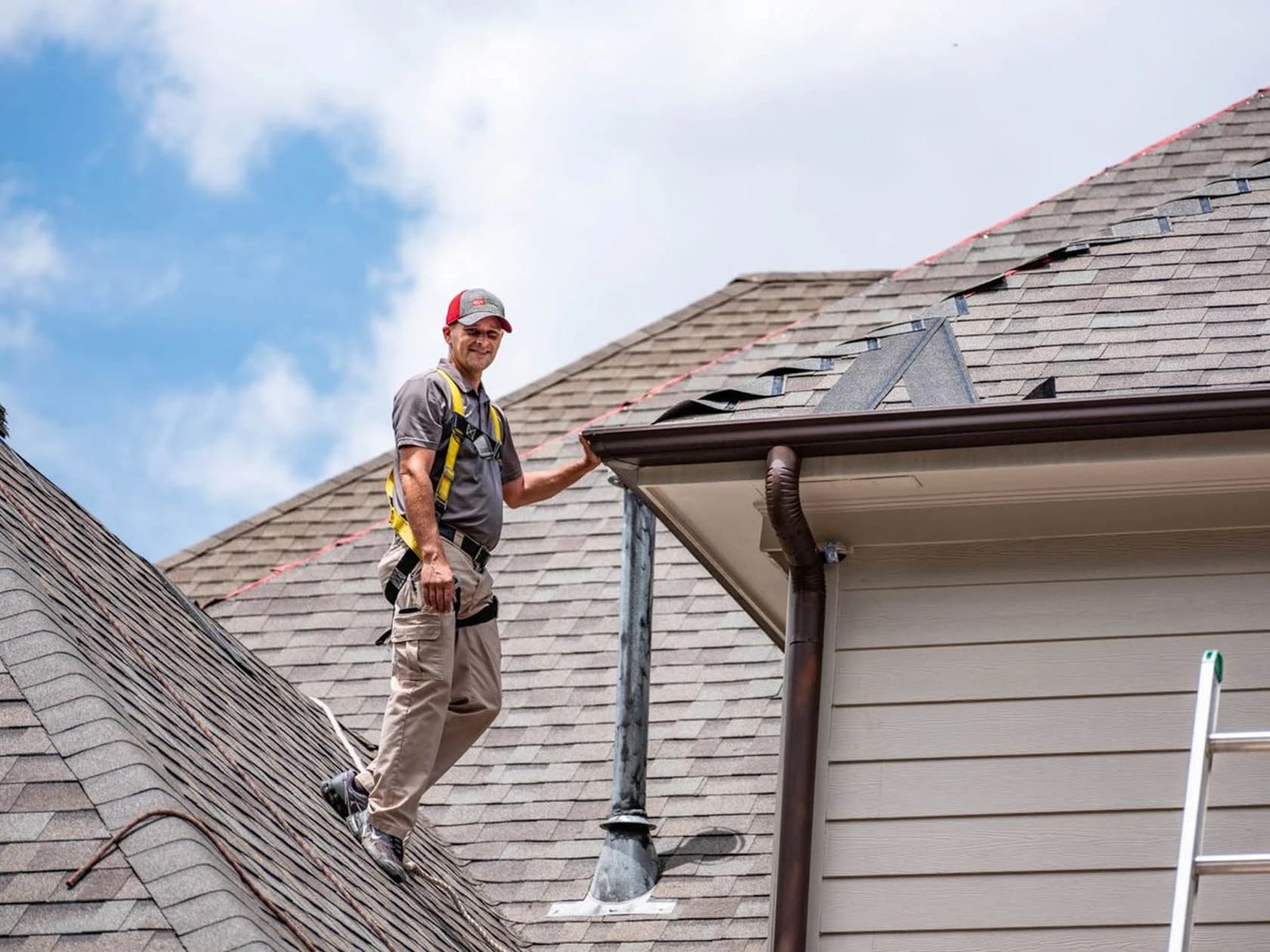
Preparation Beats Repair Every Time
When a storm hits, your roof becomes the first line of defense between your home and the elements. High winds, heavy rain, snow, and debris all target the roof, testing every weak point. Most homeowners don’t think about roof protection until after a storm causes serious damage. By then, it’s too late—and the repair costs can be immense. Preparing your roof ahead of time is the smartest, most cost-effective way to protect your home and avoid emergencies.
A storm-proof roof doesn’t come from luck. It comes from strategy, maintenance, and a few essential upgrades that strengthen the system where it matters most. Many of these improvements are simple, affordable, and fast to implement, especially when guided by an experienced South Huntington Roofing Contractor who understands local weather challenges.
Why Roofs Fail During Storms
Roofs don’t fail all at once. They fail in stages—starting with loose shingles, weak edges, aging flashing, or clogged drainage systems. Storms exploit these tiny vulnerabilities and turn them into major breaches.
Common causes of storm damage include:
- Wind catching loose shingles
- Water backing up due to clogged gutters
- Old flashing pulling away from chimneys or walls
- Underlayment tearing under intense rain
- Debris striking vulnerable spots
- Ice dams forming along roof edges
Storm-proofing focuses on eliminating weak points before harsh weather finds them.
Reinforce Roof Edges and Starter Shingles
The roof’s edges are the most exposed to wind uplift. If wind gets under the first row of shingles, it can peel entire sections off like pages from a book. Reinforcing these areas dramatically increases wind resistance.
Key steps include:
- Upgrading starter shingles
- Installing stronger drip edges
- Adding high-strength fasteners
- Ensuring shingles overlap correctly
This simple reinforcement prevents some of the most catastrophic wind damage.
Secure and Upgrade Flashing
Flashing protects roof penetrations—chimneys, skylights, vents, and walls. These areas handle large volumes of water during storms. If flashing is improperly installed or aging, water can penetrate quickly.
Storm-proof flashing upgrades include:
- Replacing old or rusty flashing
- Sealing connection points with advanced waterproof barriers
- Installing step flashing where walls meet roofing
- Securing all flashing edges tightly
Strong flashing is one of the best defenses against leaks during heavy rainfall.
Improve Attic Ventilation and Insulation
Most homeowners don’t associate ventilation with storm protection, but the connection is strong. Poor ventilation causes heat and moisture buildup, which weakens the roof deck. A weakened deck can’t withstand heavy winds, extreme temperature shifts, or pressure from ice dams.
Improving ventilation helps:
- Maintain consistent attic temperature
- Prevent moisture-related rot
- Reduce stress on shingles
- Strengthen roof structure overall
Paired with proper insulation, this prevents the freeze-thaw cycle that contributes to winter storm damage.
Clear and Strengthen Gutters
Gutters are a critical part of storm management. When they clog, water overflows, soaking the roof edges and siding. This causes rot, mold, and leaks. During storms, gutters must move large volumes of water quickly and efficiently.
Storm-ready gutter steps include:
- Clearing debris before every major season
- Securing loose gutter brackets
- Installing gutter guards
- Ensuring downspouts direct water far away from the foundation
Good drainage protects both the roof and the rest of the home.
Upgrade Underlayment for Maximum Protection
Underlayment is the waterproof layer beneath your shingles. Standard underlayment works for normal weather, but storms push water in directions shingles weren’t designed to handle.
Modern high-performance underlayment offers superior resistance to:
- Wind-driven rain
- Ice damming
- Moisture infiltration
- Internal leaks
Upgrading underlayment is especially important in areas with heavy rainfall or snowfall.
Strengthen Roof Valleys
Roof valleys carry the highest volume of water during storms. If they aren’t reinforced, this water flow can force its way underneath shingles.
A storm-proof valley system includes:
- Waterproof membranes
- Heavier-duty materials
- Extra layering beneath shingles
- Clean, debris-free channels
Reinforcing valleys ensures water moves quickly and safely off the roof.
Trim Surrounding Trees
Branches become weapons during storm winds. Even small limbs can puncture shingles or break flashing, while large branches can crush entire sections of the roof.
Tree maintenance helps prevent:
- Impact damage
- Blocked gutters
- Mold growth from trapped debris
- Animals nesting near roof edges
Keep branches trimmed at least several feet away from the home.
Secure Loose Shingles Before Storm Season
Loose shingles are warning signs. Storm winds target weak spots, and if one shingle lifts, several more can follow. A thorough inspection helps identify:
- Curling shingles
- Cracked sections
- Exposed nails
- Missing granules
- Weak adhesive seals
Replacing or re-securing these areas prevents chain-reaction damage.
Install Ice and Water Shield in Cold Climates
For homes experiencing snow and freeze cycles, ice and water shields are essential. It prevents water from backing up beneath shingles during ice dam formation.
This membrane:
- Blocks moisture
- Protects roof edges
- Strengthens valleys
- Reduces winter leaking risks
It’s one of the best investments for cold-weather storm defense.
Conduct Regular Roof Inspections
Nothing storm-proofs a roof like early detection. Regular inspections reveal hidden issues long before they become emergencies.
A solid inspection includes checking:
- Flashing
- Decking
- Ventilation
- Shingles
- Gutters
- Valleys
- Roof penetrations
Finding a soft spot early saves you from thousands in repairs later.
Storm-Proofing Is About Prevention
The best storm-ready roof is one prepared well before the first sign of bad weather. Reinforcing weak points, improving airflow, maintaining drainage, and upgrading protective layers all form a powerful protective system. These strategies won’t just prevent damage—they’ll extend the lifespan of your entire roof.