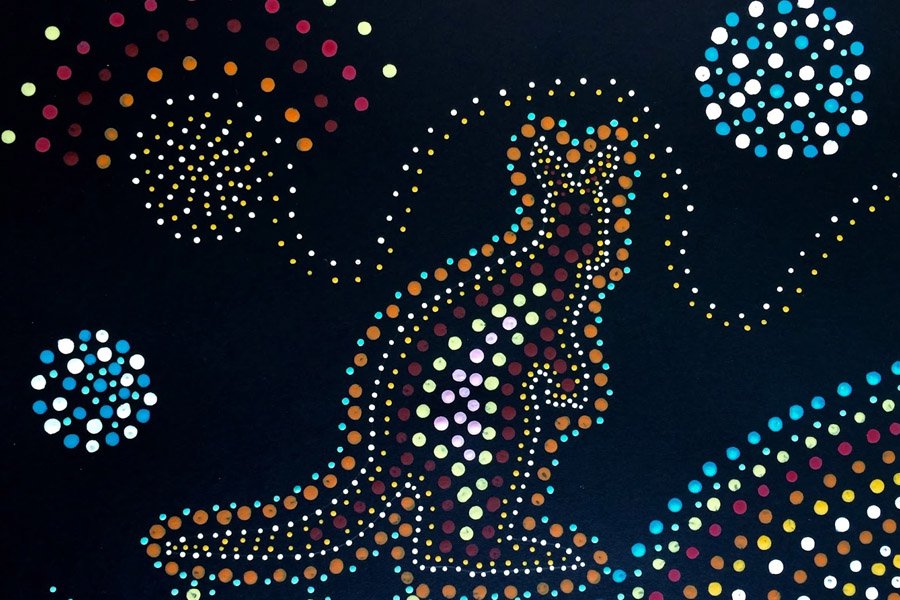
Many people assume that creating an art collection entails spending thousands on one piece or knowing the right people at specific galleries. That’s not really the case anymore, and especially not when it comes to Aboriginal art. Instead, authentic Indigenous Australian paintings are more attainable than many realize, and collections don’t have to rely on trust funds or degrees in art history to create.
The sub-$1k collection entry point has been born for serious collectors looking for cultural authenticity without maximum investment. At this price point, legit paintings from community artists, no prints, no forgeries, are actual creations using traditional and contemporary methods associated with ancient paintings.
What Really Matters When Selecting Your First Pieces
The first thing about collections in general is that first-time collectors often don’t know what to prioritize. They focus on resale value or the “right” artist instead of connection. At the end of the day, connection is key. Aboriginal art embodies stories that date back tens of thousands of years. These paintings symbolize specific Dreamtime stories, countries (the artist’s homeland), and cultural knowledge handed down through generations.
When visiting galleries, pay attention to which paintings grab your attention for more than a few seconds; that’s more important than trying to gauge stable market trends. If a price point can be settled on, collectors often find success to look at some aboriginal paintings priced at mid-range because it’s not overly abundant with options yet also provides diversity without overwhelming price points.
In addition, relative provenance paperwork should be included in every piece; it’s not just documentation for fun, it’s a history indicating that the buyer got the piece straight from the artist (or their community art center). This matters because Aboriginal art has been under scrutiny for integrity concerns for decades; buying from reputable galleries ensures that the artists and subsequent buyers are protected.
Understanding Price Ranges
Aboriginal paintings priced within the $500-$1000 range generally fit into a few categories worth noting: first is the small works of famous artists. This population consists of 30x30cm or 40x50cm pieces that still bear resemblance to popularly known style but also those typical techniques since they’ve been creating them for decades; their cultural significance does not wane due to size, while many collectors appreciate smaller pieces due to ease and transportability.
Another category includes emerging artists from known art centers; these painters are relying on legitimate cultural frameworks to help establish their voices. In these pieces, their technique may not be perfected by decades of practice, but the storytelling remains culturally authentic. Many collectors have found this to be a strong price point because prices generally increase as artists become better known.
In addition, pieces from community art centers fall into this price range; in many remote Aboriginal communities, artists are given art materials and support by way of art centers where they make money by creating art. Although they may be given instructions and tools, they make the art since the centers support fair payment for efforts. Art centers handle authentication, shipping and provenance paperwork; thus, buyers know the money will go to these communities and artists without middle men.
Connecting Meaningfully Instead of Arbitrarily
The greatest offense collectors make in search of Aboriginal art is treating it like something found for home décor, filling wall space or matching pieces to couches. That’s not the point; each painting holds cultural knowledge behind it regarding cultural literacy, and the symbols chosen, colors adopted, and patterns employed are not for aesthetics but as a visual language telling a story about creation, country, water, ancestors, and ceremonies of note.
Therefore, educating oneself about the various regions is critical before investing. For example, Central Desert patterns differ wholly from those found in Arnhem Land bark paintings or Tiwi Island designs; regions have specific visual languages that offer certain color patterns or storytelling methods. Some collectors choose to hone in on a single region; others appreciate the variety among diverse cultures.
Most people fail to realize how much difference an artist makes; why not discover which language group an artist is a part of, what country they paint on behalf of, and how they learned? Many artists paint their grandparents’ Dreaming stories; this connection makes a contemporary painting relevant to thousands-of-year-old stories that exist now as physical embodiment through tangible efforts.
The Practicalities of Collecting
Sooner than anticipated, storage display becomes important; Aboriginal paintings are made with canvases; therefore, avoiding direct sunlight is critical as it messes with pigments over time. Framing keeps works intact and adds credibility to display; when determining what’s affordable to invest in initially, one must include framing in that budget, there’s no point in buying a $700 painting if another $200-300 will be allocated toward framing it.
Insurance becomes necessary once collections reach a particular value threshold, even starting out with a few pieces in the $500-$1000 range presents several thousands of dollars accumulated art collection. Insurance involves documenting details like photographs, certificates of authenticity, receipts of purchase and provided information about the artist. The more documentation there is, the more credibility if something happens down the line, or there’s an eventual sale of certain pieces.
Finally, establishing relationships with art centers or galleries proves beneficial over time; they’ll let collectors know new works from familiar artists or similar pieces come in that might spark interest. Some art centers are willing to create payment plans for pieces slightly more expensive than initially sought after, it’s definitely possible to find nicer pieces over time as buyers learn what they like relative to their budget.
Where Collections Tend to go From Here
Most collectors do not intend to resell them; however, understanding what’s out there helps determine smart purchasing options. Aboriginal art has appreciated over time relative to known art centers and prominent artists by decades; those pieces most beloved are those with transparent provenance and cultural impact/value, and quality.
More so, this collection entry point serves as training wheels; collections allow buyers to learn what they like/how they respond relative to various regional styles and how they develop relationships over time with art centers/galleries. Eventually, buyers end up with higher-priced works once they gain confidence in their knowledge relative to what was initially attempted at such a low price point with successful acclimation.
But many buyers enjoy this mid range forever, they have mid-range collections built up every few years without any financial strain, two or three pieces a year add up quickly within this price range, and as long as buyers appreciate them aesthetically and culturally responsive, there’s no need for investment strategy at all.
In summary, starting an Aboriginal art collection is as simple as doing researched due diligence relative to ethically purchased pieces that resonate with buyers genuinely on a personal level. The $500-$1000 range provides legit entry into the world’s oldest continuous culture of artists, with no small feat.
It’s fascinating to note that something so prevalent throughout human history thus far – that predates written language at all; agriculture and anything we consider “civilization”, can actually be connected to homes through these paintings for merely the cost of a decent television.