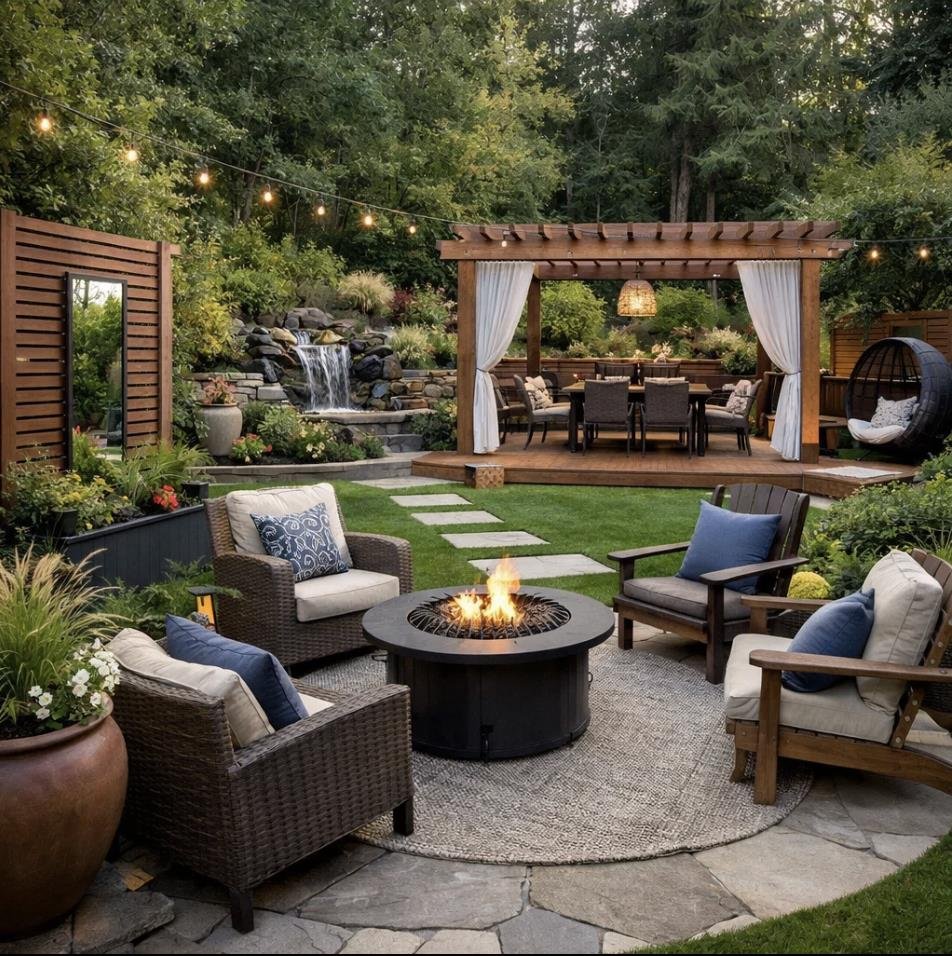
A small backyard does not have to feel limiting. With the right design approach, even compact outdoor spaces can appear open, functional, and visually appealing. The perception of space is shaped by layout, structure, and maintenance rather than actual size. By focusing on strategic planning and subtle design techniques, homeowners can transform their backyard into an area that feels significantly larger without altering its physical boundaries.
Create a Clear and Functional Layout
A well-structured layout is the foundation of a spacious-looking backyard. When elements are placed without a plan, the area can quickly feel cluttered and disorganized. Dividing the space into functional zones helps create order and purpose. These zones can include a seating area, a dining corner, or a small garden section, each serving a distinct role.
Instead of using solid dividers that can visually shrink the space, define zones through natural transitions. For example, slight changes in ground texture, such as gravel to grass, or the arrangement of plants can signal a shift from one area to another. This method maintains openness while still giving the backyard a structured and intentional design.
Use Visual Lines to Expand Perception
Visual flow is one of the most powerful tools in making a backyard feel larger. Clean, uninterrupted lines guide the eye across the space, creating the illusion of depth and continuity. Pathways, fences, and planting beds should follow a consistent direction to avoid visual fragmentation.
Curved pathways can also enhance the sense of space by adding movement and intrigue. Rather than revealing the entire yard at once, a gentle curve encourages exploration and makes the area feel more expansive. The key is to avoid abrupt changes that interrupt the natural visual flow.
Optimize Furniture Placement
Furniture plays a major role in how spacious a backyard feels. Oversized or bulky pieces can dominate the area and restrict movement. Selecting furniture that fits the scale of the yard ensures balance and comfort.
Positioning furniture along the edges of the yard rather than in the center helps maintain an open core. This arrangement allows for easier movement and prevents the space from feeling crowded. Multi-functional furniture, such as benches with storage, can further reduce clutter while maximizing usability.
Design Thoughtful Pathways
Pathways are more than just functional elements; they shape how the backyard is experienced. A well-designed pathway creates direction and flow, making the space feel organized and larger than it is.
- Use consistent materials for pathways to maintain visual continuity
- Avoid overly complex designs that can make the yard feel busy
- Keep pathways proportionate to the size of the space
- Integrate pathways naturally with surrounding elements
- Ensure smooth transitions between different zones
By keeping pathways simple and intentional, the backyard maintains a clean and cohesive appearance.
Incorporate Layered Landscaping
Layered landscaping adds depth and dimension, which are essential for creating the illusion of space. Instead of planting everything at the same height, use a mix of low ground covers, medium-sized shrubs, and taller plants.
This layering technique draws the eye upward and outward, making the yard feel more dynamic. It also prevents the space from appearing flat or monotonous. Strategic placement of plants along borders can frame the yard without enclosing it too tightly.
Maintain Clean Edges and Healthy Turf
One often overlooked factor in making a backyard feel larger is proper lawn maintenance. Clean, defined edges create sharp visual boundaries that enhance the sense of order. When grass lines are neat and consistent, the entire yard appears more polished and expansive.
Consistent mowing patterns also contribute to this effect. Straight mowing lines can subtly guide the eye across the lawn, reinforcing a sense of length and openness. Healthy, evenly colored turf reflects light better, further enhancing the perception of space. Attention to these details is commonly associated with services like Red Lion lawn care service with edging and trimming, where precision and consistency play a key role in maintaining a visually appealing landscape.
Use Vertical Space Wisely
When horizontal space is limited, vertical elements can help expand the overall perception of the yard. Features such as trellises, vertical gardens, or climbing plants draw the eye upward, creating a sense of height and openness.
However, it is important to use vertical elements sparingly. Overcrowding walls or fences with too many features can have the opposite effect, making the space feel enclosed. A balanced approach ensures that vertical design enhances rather than overwhelms the yard.
Control Clutter and Simplify Design
Clutter is one of the fastest ways to make a backyard feel smaller. Too many decorative items, mismatched furniture, or excessive plant varieties can create visual noise. A simplified design approach helps maintain clarity and openness.
- Limit the number of decorative elements to a few meaningful pieces
- Choose a consistent color palette for furniture and accessories
- Keep plant varieties cohesive rather than overly diverse
- Store unused items to prevent unnecessary crowding
- Focus on quality over quantity in design choices
A clean and cohesive design allows each element to stand out without overwhelming the space.
Enhance Lighting for Depth
Lighting can significantly influence how a backyard is perceived, especially in the evening. Proper lighting highlights key features and adds depth, making the space feel larger and more inviting.
Soft, layered lighting works best in smaller yards. Combining pathway lights, subtle uplighting for plants, and ambient lighting for seating areas creates a balanced effect. Avoid overly bright or harsh lighting, as it can flatten the space and reduce the sense of depth.
Conclusion
Making a backyard feel bigger without expanding it is a matter of thoughtful design and consistent maintenance. By focusing on layout, visual flow, furniture placement, and landscaping techniques, even the smallest spaces can feel open and functional. Clean edges, healthy turf, and attention to detail further enhance the overall effect, creating a backyard that is both visually spacious and enjoyable to use.