Outdoor power equipment is indispensable for maintaining lawns, gardens, and landscapes throughout every season. However, many homeowners overlook essential care routines, leading to costly repairs and decreased efficiency. With the right tips and consistent care, you can maximize your investment in outdoor power equipment and ensure it performs reliably year-round.
From keeping blades sharp to storing tools properly during the off-season, a proactive maintenance schedule not only extends the life of your equipment but also helps you achieve the best results during yard work. Understanding and implementing these maintenance strategies is crucial for hassle-free operation and avoiding interruptions when you need your machines most.
Over time, small issues like dull blades, dirty oil, or improper storage can escalate into major problems. By catching and addressing these challenges early, you keep your tools in optimal working order and minimize the chances of unexpected breakdowns.
Whether you’re a homeowner tending to a backyard or managing a larger commercial property, staying ahead with equipment maintenance can save you both time and money. Preventive care takes little effort compared to fixing or replacing neglected equipment.
Regular Cleaning and Inspection
Dried grass, dirt, and other debris can quickly accumulate on mowers, trimmers, and other outdoor equipment. This buildup not only interferes with performance but can also lead to overheating and premature component failure. After each use, take a few minutes to brush off clippings, wipe down surfaces, and clean out vents and air filters. It’s also wise to schedule regular inspections—look for signs of wear and tear, frayed belts, or loose bolts that could signal bigger issues down the road. According to Consumer Reports, routine wellness checks are the best way to prevent breakdowns and detect problems before they escalate.
Engine Oil and Filter Maintenance
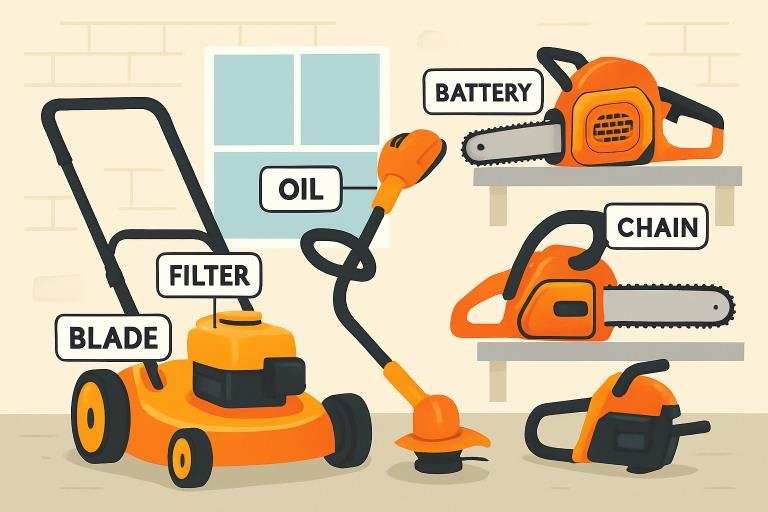
Clean oil is the lifeblood of any machine with a combustion engine. Dirty or low oil can cause increased friction, overheating, and severe engine damage. Always check engine oil levels before use and follow your equipment manufacturer’s recommendations for oil type and replacement intervals. Be sure to replace oil filters at least once per season or after every 50 hours of operation to keep internal components running smoothly. Neglecting this simple step can void warranties and dramatically shorten the life of your power tools.
Blade Sharpening and Replacement
Sharp blades do more than just cut cleanly—they actually put less strain on your equipment’s motor and use less fuel or power. Dull edges result in ragged cuts and can even tear grass, leaving it vulnerable to disease. For mowers and trimmers, sharpen blades after every 15–20 hours of use or whenever you notice uneven cutting. Blades with chips, cracks, or heavy wear should always be replaced for safe operation.
Fuel Management Practices
The type of fuel you use matters. Most experts recommend never exceeding 10% ethanol in fuel (E10) for outdoor power equipment engines, as higher blends can corrode parts and damage carburetors. Only buy enough gasoline for 30 days and use a fuel stabilizer if storing equipment for longer periods. Regularly replace old fuel, as stale gasoline leads to hard starts and surging engines. Following these practices helps keep your engine running reliably.
Proper Storage Techniques
Storing your power equipment in a dry, sheltered area is crucial for minimizing rust and moisture-related damage. Before storing for the winter or off-season, fully drain or stabilize fuel, remove batteries and spark plugs, and thoroughly clean all surfaces. If possible, elevate equipment off the ground and use covers to protect against dust and pests. Good storage practices ensure your tools are ready to go each season.
Lubrication of Moving Parts
Friction wears down axles, gearboxes, bearings, and other moving parts. At least once per season, apply appropriate lubricants to joints and rotating assemblies as recommended in your owner’s manual. This simple step reduces wear, ensures smooth operation, and prolongs the life of your equipment.
Battery Care for Cordless Tools
Battery-powered equipment requires a slightly different care regimen. Always recharge batteries before they are fully depleted, store them in a cool, dry area, and avoid extreme temperatures. If your battery will be unused for more than a month, check the manufacturer’s instructions for ideal storage charge levels. Proper battery care preserves charging capacity and extends the overall lifespan, reducing the need for replacements.
Seasonal Maintenance Tips
As the seasons change, so should your equipment maintenance approach. In winter, thoroughly winterize by draining fuel tanks and using stabilizers. Check for rodent nests in stored machines and tighten any loose hardware before restarting in the spring. In autumn, prep for heavy leaf loads or storm cleanup by inspecting belts and fasteners. A little seasonal diligence pays off with smoother operation each time you fire up your gear. Keeping your outdoor power equipment in top condition comes down to consistent, preventative care. With timely maintenance and a few extra minutes of attention after each use, your investment will reward you with years of reliable performance, no matter the season.