Tree care services should match the specific condition affecting each tree or shrub. An accurate diagnosis helps identify suitable tree services, and visible symptoms can have different underlying causes. Species and soil conditions help determine whether trees need disease control, insect control, or targeted maintenance. Here is how to choose the right tree services for your property:
Assess Your Trees’ Health Needs
An accurate assessment identifies conditions affecting each plant before treatment begins. Certified arborists evaluate the area on-site, checking for active problems and early warning signs. They also examine soil quality, drainage, and nutrient availability because these factors affect plant health.
This evaluation helps determine which tree services suit each tree or shrub. Chlorosis causes pale green or yellow foliage, and iron or manganese issues can contribute to it. Because compacted or poorly drained soils are typically associated with chlorosis, soil conditions also inform the assessment.
Apple scab affects apple and crabapple trees, while anthracnose affects species including ash, birch, dogwood, and elm. Cool, wet conditions enhance anthracnose, while drought, compaction, and mechanical damage worsen Diplodia tip blight in susceptible pines. The evaluation connects symptoms with species and growing conditions, guiding a customized plant health care program based on identified needs.
Identify Pest Problems
An arborist inspects affected trees, identifies any pests, and recommends treatment. Treatment then targets the specific insect, using contact or systemic methods as appropriate. Bagworms leave a talc-like white coating on leaves and new shoots, especially on arborvitae and other evergreens. Aphids can cause older conifer needles to yellow, brown, and drop, thinning the canopy from the bottom up.
Some pests require attention to specific seasonal conditions and treatment timing. Apply dormant oil in late winter or early spring, before buds swell, and you can also use it in fall to suffocate overwintering insects and eggs. Bark wash protection uses a systemic insecticide at the trunk base, where the product enters through the bark and moves through the tree’s vascular system. This helps keep your tree free from pests.
Manage Tree Disease Issues
Arborists provide disease control services for fungal, bacterial, and viral infections affecting trees and shrubs. Bacterial infections can affect vascular tissue and root systems, while viral infections can cause long-term decline. Powdery mildew benefits from preventative fungicide applications before symptoms appear. Dothistroma needle blight requires protection of new growth, while oak wilt requires preventative systemic treatment for certain high-value oaks. This treatment applies to oaks within root-grafting distance of infected white oaks.
Choose Appropriate Maintenance Services
Growth regulator treatments address fruit and seed production in certain tree species. They are used for trees such as cottonwood, maple, locust, London plane, and sycamore, where reduced fruit and seed production limit seasonal debris. These treatments also reduce branch elongation, creating tighter, thicker branching while directing energy toward root growth and stronger structure.
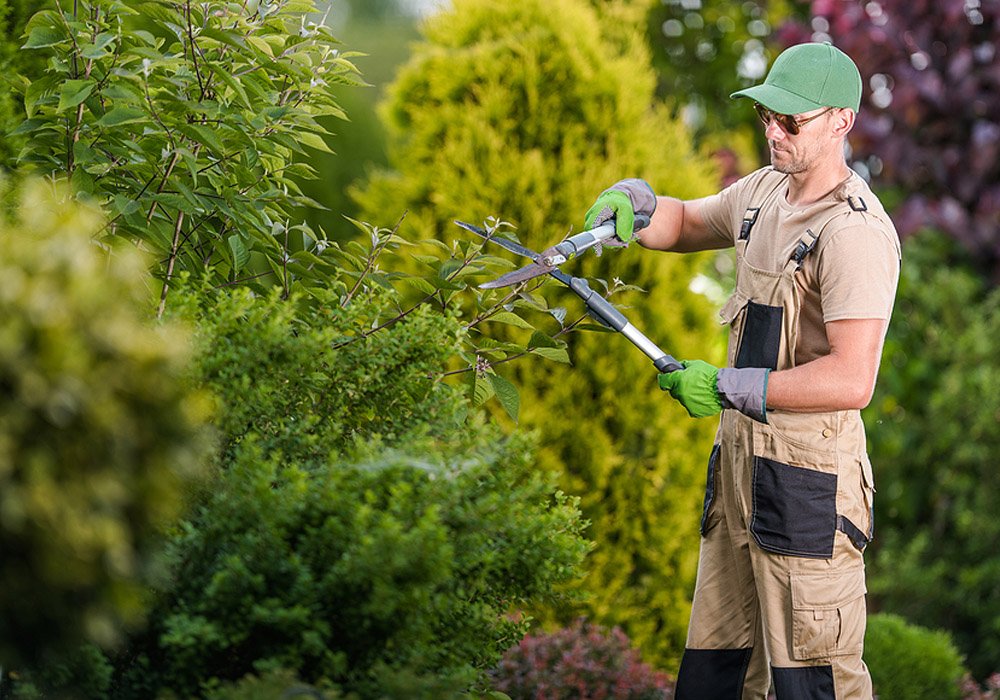
Ornamental tree trimming serves decorative species, including Japanese maples, crabapples, pear trees, and dogwoods. Precise cuts support proper growth and help prevent weak branch structures and pest problems. Excessive cutting or topping can cause long-term damage, while regular professional pruning supports the tree’s structure and natural shape.
Schedule Tree Services
Professional evaluation identifies whether your trees need pest control, disease treatment, growth regulation, or ornamental trimming. Targeted tree services address specific problems, and they support the ongoing health and condition of your landscape. Ongoing care also helps address seasonal plant health needs as they develop. Contact an arborist team to discuss your property and identify suitable care for your trees and shrubs.