
Picture this: it’s 3 PM on a Thursday, you’re deep into back-to-back meetings, and all you can think about is the dull ache building behind your ears and across the bridge of your nose. Your glasses, which looked perfect in the store, have become a source of constant distraction. You’re adjusting them every few minutes, and that pressure point on your temple is impossible to ignore. This scenario is all too familiar for working professionals who haven’t found the right eyewear.
The challenge isn’t just finding glasses that look polished and professional—whether you are looking at the broad structural variety of men’s eyeglasses or the refined aesthetics of glasses frames for women—it’s discovering frames that can keep up with your demanding schedule without causing discomfort. This guide is designed specifically for working women seeking eyewear that delivers both workplace-appropriate style and genuine all-day comfort. We’ll walk through the essential factors that make the difference between eyewear you tolerate and eyewear you forget you’re wearing: achieving the perfect fit, selecting the right materials, making smart lens choices, and finding styles that enhance your professional presence.
Why Comfort is Non-Negotiable in Women’s Eyewear
When your glasses don’t fit properly, the consequences extend far beyond minor annoyance. Uncomfortable eyewear creates a cascade of physical issues that directly undermine your workday performance. Pressure points on the bridge of your nose can trigger tension headaches that make concentration nearly impossible. Temples that grip too tightly behind your ears cause soreness that intensifies with each passing hour. Frames that constantly slip down your face force you into a distracting cycle of adjustments, pulling your attention away from important tasks and meetings. These aren’t trivial inconveniences—they’re genuine obstacles to productivity. In professional environments where focus and presence matter, you can’t afford to have your attention divided by physical discomfort. The reality is that no matter how stylish or expensive your frames are, if they cause pain or require constant fiddling, they’re failing at their primary job. Comfort isn’t a luxury feature in work eyewear; it’s the essential foundation that makes everything else possible. When your glasses fit correctly and feel natural on your face, they disappear from your awareness entirely, allowing you to direct your full energy toward your work rather than managing discomfort.
The Anatomy of a Perfect Fit: Finding Your Frame
Understanding frame measurements is the key to unlocking all-day comfort in your eyeglasses. Three critical dimensions determine whether eyeglass frames for women will feel natural or cause persistent discomfort: bridge width (the distance between lenses that sits on your nose), temple length (the arms that extend over your ears), and lens width (the horizontal measurement of each lens). These numbers are typically printed on the inside of your current frames, appearing as something like “52-17-140,” representing lens width, bridge width, and temple length in millimeters. A proper fit reveals itself through specific comfort markers: the bridge should rest evenly on your nose without pinching or leaving red marks, the temples should follow the contour of your head without squeezing, and the lenses should center directly in front of your pupils. To assess fit yourself, put on the frames and check that they don’t slide down when you look down, don’t pinch when you smile, and feel secure without pressure points. During a professional fitting, an optician will verify that the frame’s optical center aligns with your pupillary distance and adjust the temple angle so the frames sit level on your face. Pay attention to how the nose pads (if present) distribute weight—they should make contact across their entire surface rather than digging into one spot. The frame’s top edge should follow your eyebrow line without touching your lashes when you blink, and the bottom shouldn’t rest on your cheeks. When these elements align correctly, you’ll achieve that elusive feeling of barely noticing your glasses are there.
Frame Materials: The Foundation of Comfort
The material your frames are made from directly impacts how they feel throughout your workday. Acetate offers rich color options and moderate flexibility, making it popular for fashion-forward professional styles, though it’s slightly heavier than alternatives. TR-90, a thermoplastic material, delivers exceptional lightness and flexibility with impressive durability—ideal for active professionals who need frames that withstand daily wear without losing shape. Titanium represents the premium choice for those prioritizing minimal weight and hypoallergenic properties; these frames are incredibly strong despite feeling almost weightless, perfect for extended wear during long meetings or screen time. Stainless steel provides a middle ground with good durability and a sleek, professional appearance at a moderate weight. For women with sensitive skin or metal allergies, titanium and TR-90 eliminate the risk of irritation that can occur with nickel-containing alloys. Your choice should reflect your daily demands: if you’re constantly moving between meetings and need frames that bounce back from occasional stress, TR-90’s flexibility serves you well. If minimal weight is your priority for all-day conference calls and computer work, titanium’s feather-light construction makes the investment worthwhile.
Prioritizing Comfort Without Sacrificing Professional Style
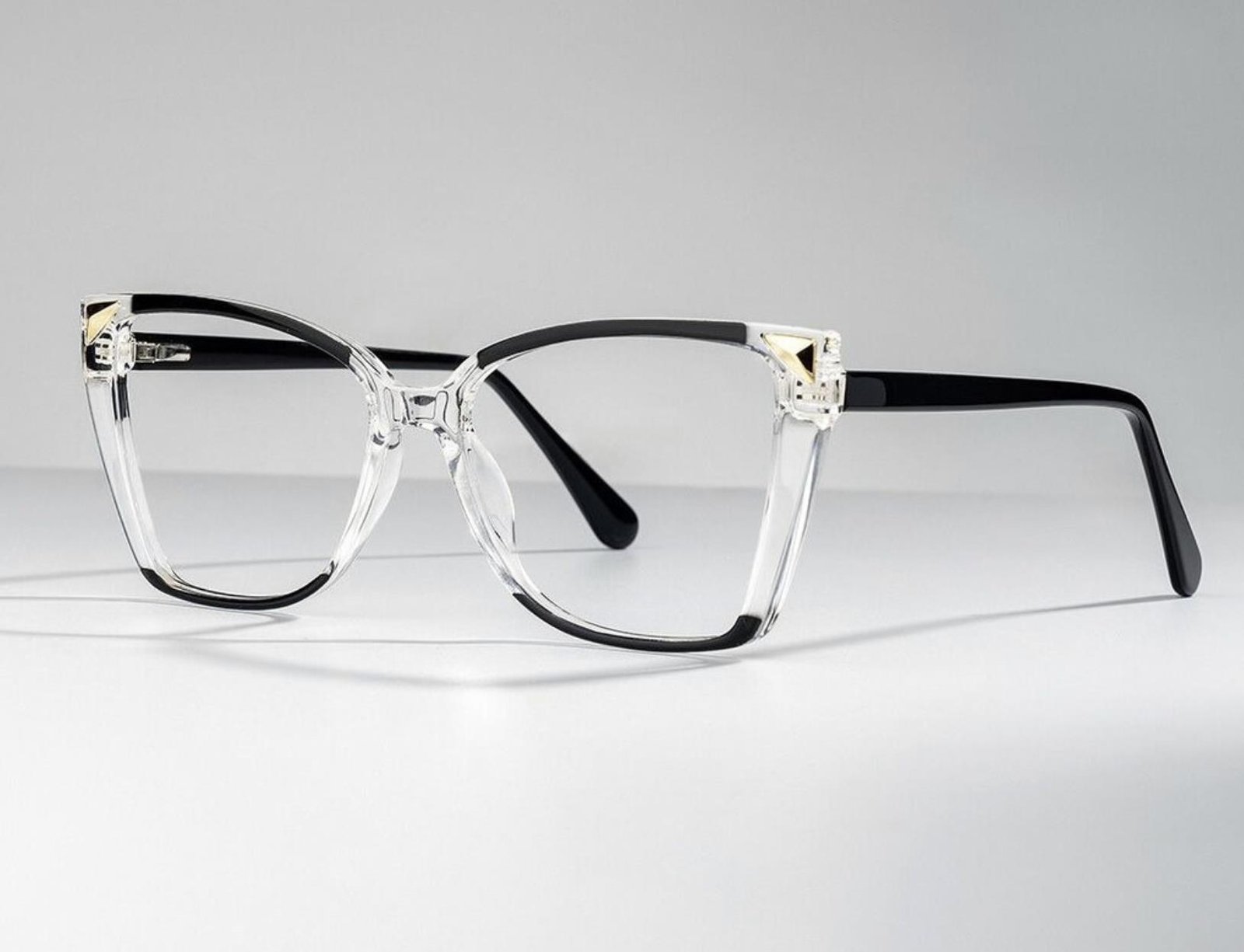
The intersection of comfort and professional appearance is where truly effective work eyewear lives. Your glasses frames for women should project competence and polish while supporting your face comfortably through every meeting and deadline. Frame shape plays a dual role here: rectangular frames with gentle curves provide structural stability that prevents slipping while conveying authority and focus—ideal for corporate environments. Cat-eye styles offer a sophisticated feminine touch that stays secure thanks to their slightly upswept design, distributing weight evenly across the temples. Rounded frames with substantial temples create a modern, approachable look while the broader contact points reduce pressure concentration. The key is matching shape to your face structure: angular frames balance softer, rounded face shapes, while curved styles soften angular features, but always prioritize frames with adequate surface area at contact points to distribute pressure. Color selection reinforces your professional image without compromising comfort—classic tortoiseshell patterns add visual interest while remaining universally appropriate, deep navy or burgundy acetate frames make subtle statements that feel fresh yet serious, and brushed metal finishes in gold or gunmetal tones communicate refinement. Avoid overly trendy colors or embellishments that might distract in conservative settings. The most successful professional eyewear doesn’t demand attention; it enhances your natural features while maintaining such consistent comfort that colleagues remember your contributions, not your constant frame adjustments. When style elements support rather than compromise the fit, you achieve eyewear that genuinely works as hard as you do.
Your Step-by-Step Guide to Choosing the Best Seller Glasses for You
Finding your ideal eyewear becomes straightforward when you follow a structured approach. Start by scheduling an eye exam to obtain your current prescription and pupillary distance measurement—this PD number is essential for proper lens alignment and prevents eye strain from misaligned optical centers. Request a printed copy with all specifications including any astigmatism correction. Next, determine your face shape by pulling your hair back and tracing your face outline on a mirror with a washable marker, or simply photograph yourself straight-on and identify whether your face is oval, round, square, heart-shaped, or diamond-shaped. Note your skin’s undertone by checking your wrist veins: blue veins indicate cool undertones (silver and black frames complement best), green suggests warm undertones (gold and tortoiseshell work well), and both means neutral (you can wear any frame color). Establish a realistic budget that accounts for frame quality and necessary lens upgrades—durable materials and essential coatings represent investments in daily comfort, not optional extras. Research current best seller glasses to understand which styles resonate with professionals in your field; popular frames often achieve that status because they successfully balance aesthetics with wearability. Visit optical retailers to try multiple styles within your identified shape category, wearing them for at least five minutes each to assess comfort beyond the initial impression. Online retailers like ZEELOOL also provide virtual try-on tools and detailed frame measurements, making it easier to compare multiple options and narrow down styles before visiting a physical store. Take photos in your typical work attire to see how frames integrate with your professional wardrobe. Finally, schedule a fitting appointment with a licensed optician who will make precise adjustments to temple angle, nose pad position, and frame alignment. A professional fitting transforms a good frame into one that feels custom-made, ensuring the measurements you’ve carefully selected translate into genuine all-day comfort.
Beyond the Frame: Lens and Feature Upgrades for All-Day Ease
The right lens enhancements transform good frames into truly supportive work eyewear. Anti-reflective coating eliminates distracting glare from computer screens and overhead lighting, reducing the eye strain that accumulates during hours of digital work—this coating also improves your appearance in video calls by preventing lens reflections that obscure your eyes. Blue light filtering addresses the specific wavelengths emitted by digital devices, helping minimize the fatigue and sleep disruption associated with extended screen exposure; while research continues on long-term effects, many professionals report noticeably reduced eye tiredness during and after work. For prescriptions above ±3.00, high-index lenses significantly reduce thickness and weight compared to standard plastic, preventing the heavy feeling that causes frames to slide and creates pressure on your nose bridge. Beyond lenses, comfort-enhancing frame features deserve consideration: spring hinges allow temples to flex outward slightly, accommodating head movements and reducing the tight squeeze that develops over long wear, while adjustable silicone nose pads can be customized to your exact bridge shape, distributing weight more evenly than fixed plastic bridges. These upgrades require upfront investment but deliver daily returns in sustained comfort and visual clarity throughout your demanding workday.
Finding Your Perfect Professional Eyewear
Choosing the right eyewear for your professional life comes down to mastering four essential pillars: achieving a perfect fit through proper measurements and adjustments, selecting materials that balance durability with lightweight comfort, finding styles that project polish while supporting your face structure, and investing in lens enhancements that protect your vision during long hours of focused work. The ideal glasses frames for women aren’t simply an accessory—they’re a practical tool that directly influences how effectively you navigate your workday. When your eyewear fits correctly and feels natural, it becomes invisible, allowing you to channel your full attention toward the work that matters rather than managing discomfort or distraction. This guide has equipped you with the knowledge to make informed decisions about frame measurements, materials, professional styling, and comfort-enhancing features. Now it’s time to put this information into action. Schedule that eye exam, visit an optical retailer with your specifications in hand, and don’t settle for frames that merely look good in the mirror. Invest in eyewear that genuinely supports both your vision and your professional presence. Your future self—focused, comfortable, and confident through every meeting and deadline—will thank you for choosing glasses that work as hard as you do.