Character development is an important part of a child’s education. While academics help students build knowledge, character-focused learning helps them develop responsibility, confidence, kindness, respect, and self-discipline. These qualities can affect how children treat others, how they respond to challenges, and how they grow as learners.
Private schools often place strong emphasis on personal growth alongside classroom achievement. With smaller communities, clear expectations, and values-based instruction, students may receive more opportunities to practice positive habits in meaningful ways. In this article, we’ll look at how private schools encourage character development.
They Create a Values-Based Learning Environment
Many private schools build their daily routines around specific values, such as honesty, compassion, responsibility, service, and respect. These values are often woven into classroom lessons, school assemblies, community activities, and student expectations.
When children hear consistent messages about behavior and decision-making, those lessons can become part of how they interact with others. A values-based setting can help students understand that character is not limited to one lesson or one subject. It is part of how they speak, listen, work, lead, and solve problems throughout the school day.
They Encourage Accountability
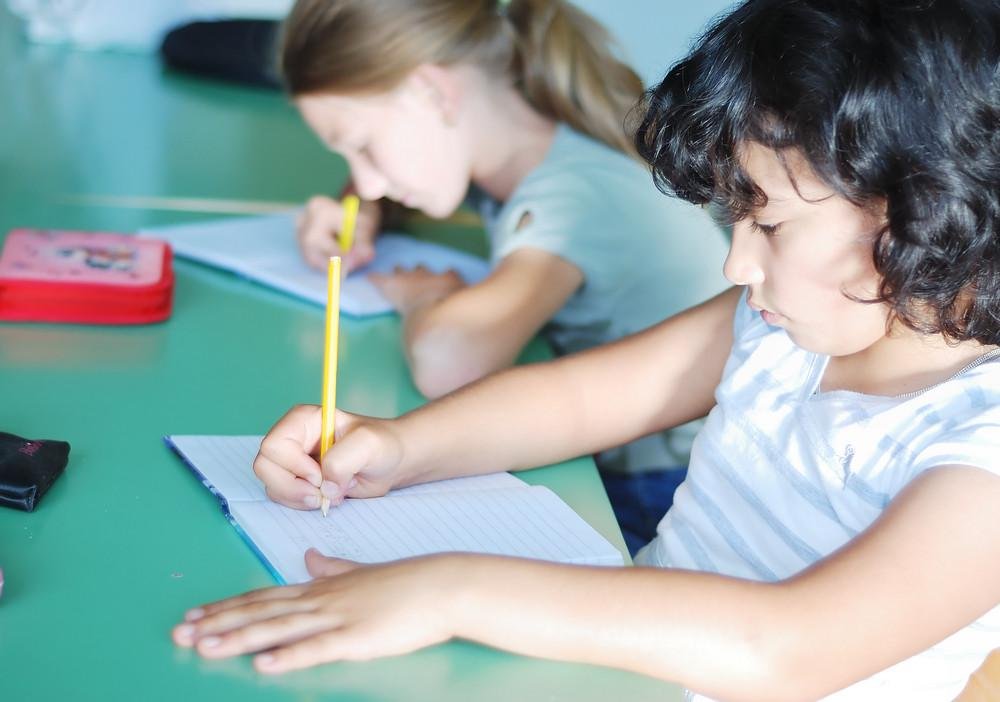
Accountability helps students learn that their choices matter. In a private British curriculum school in Malaysia, expectations are often clearly communicated, and students may be encouraged to take responsibility for their actions in age-appropriate ways.
This can include completing assignments on time, treating classmates respectfully, following classroom routines, and correcting mistakes when they happen. When accountability is handled with guidance instead of shame, students can learn how to make better choices and grow from difficult moments.
Over time, this can support stronger self-discipline. Students begin to understand that personal responsibility is not just about avoiding consequences. It is about becoming dependable, thoughtful, and prepared.
They Support Confidence From an Early Age
Confidence plays a major role in character development because children who feel capable may be more willing to try, participate, and take healthy risks. According to Reflection Sciences, an average child begins to gain self-confidence by age 4. This makes early learning environments especially important for helping children feel seen, supported, and encouraged.
Private schools and preschool programs can support confidence by giving children chances to speak in groups, complete tasks independently, ask questions, and celebrate progress. Even small moments, such as sharing an idea, helping a classmate, or finishing a project, can help children build a stronger sense of self.
They Promote Respectful Relationships
Character development grows through relationships. Private schools often focus on building strong connections between teachers, students, and families. When children feel known by the adults around them, they may be more open to guidance and encouragement.
Respectful relationships also help students learn how to communicate with care. They practice listening, taking turns, resolving disagreements, and showing empathy. These daily interactions can teach children how their words and actions affect others.
They Help Students Stay Engaged
Student engagement can affect both learning and character growth. When students are interested, involved, and connected to their school community, they may be more likely to participate in class, support their peers, and take pride in their work.
One comparison shows that 21% of public school teachers report that student apathy is a problem in their school, while only 4% of private school teachers report this as a problem. While every school is different, this difference points to how important engagement can be in shaping a student’s overall experience.
They Build Character During Early Development
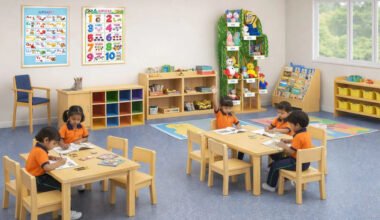
Early childhood is a key time for learning habits, emotions, routines, and social skills. According to UNICEF, 80% of a human brain’s structure takes shape up to age three. Because young children are developing so quickly, early learning environments can have a lasting influence on how they interact with the world.
Preschool and early private school programs can help children practice sharing, patience, kindness, independence, and problem-solving. These skills may seem simple, but they are important building blocks for future character development.
Private schools encourage character development by combining academics with values, accountability, confidence, respect, engagement, and service. These lessons can shape how students treat others, approach challenges, and view their own growth. When children are supported in both learning and personal development, they can build habits that serve them far beyond the classroom.