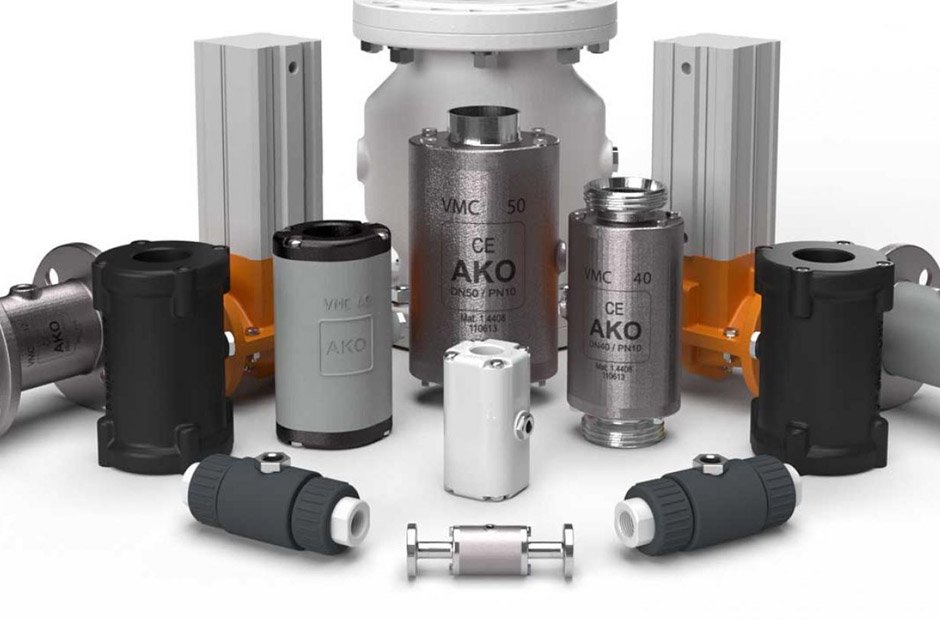
In pump systems that handle wastewater, sludge, suspensions, and other solids-bearing media, overpressure protection has to do more than respond quickly. It also has to keep working in applications where clogging, fouling, and difficult product flow are part of normal operation. That is why the valve design matters. In these systems, a pressure relief device built around a pinch valve body offers a practical alternative to relief arrangements that are less suited to contaminated or solids-laden service. The pressure relief offering on the site is described as a pinch-valve-based solution for overpressure in liquid, air, and slurry applications.
This style of valve is designed specifically for pump bypass duty. The pressure relief assembly combines an overflow unit with a pneumatic pinch valve body, turning the pinch valve into a relief device that can open automatically when internal pressure becomes too high. That pinch-valve-based configuration helps provide a clearer flow path than many conventional internal-trim relief arrangements, which is especially useful where the media can foul or clog the valve.
The operating principle is straightforward. The valve is installed on a pump bypass line and charged so it remains closed at the selected relief pressure. If the pump becomes blocked or the discharge line is restricted, pressure rises in the system. Once line pressure exceeds the set pressure, the valve opens progressively and allows the product to bypass the pump until pressure equalizes and the blockage condition is relieved. The valve then returns to its original closed position. This automatic return to service is one of the most practical aspects of the design in real operating conditions.
That reset function matters because it reduces intervention after a relief event. Instead of relying on a design that is poorly suited to solids-bearing service, this approach uses the pinch valve principle to create a relief path that is more compatible with difficult media. For plants handling wastewater, sludge, slurry, or related products, that can help reduce downtime and simplify routine system management. The product page lists common applications including water, wastewater, sludge, air, and slurry pressure-relief service.
Another major benefit is resistance to clogging. Because the relief function is built around a pinch valve body rather than complex mechanical internals in the product stream, it is better aligned with applications where fouling is a real concern. That is one of the reasons this design is well suited to dirty or solids-laden services where reliable bypass protection is needed. The broader site also emphasizes pinch valves for abrasive slurries, powders, and other difficult applications, which fits this relief concept well.
Maintenance is also relatively straightforward in concept. Since the pinch valve body is the core of the relief assembly, the design stays focused on a simpler operating principle that is practical for industrial service. In systems where pump blockage is a realistic operating concern, industrial pressure relief valve solutions built around this concept offer a strong combination of pressure protection and compatibility with difficult media. For users specifically looking for AKO pressure valves for bypass and overpressure service, this design is a practical option for demanding process environments.