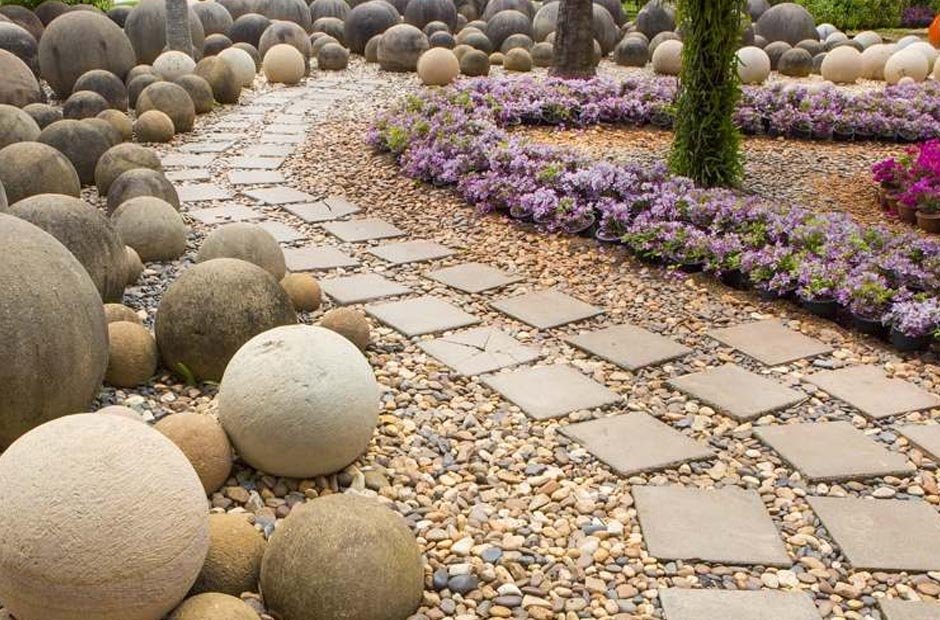
Garden paths do more than connect parts of a yard. A well-designed path guides movement, protects landscaping, and adds visual structure to an outdoor space. When homeowners plan pathways carefully, the result is a landscape that feels intentional and easier to navigate throughout the seasons.
Among the many materials available for pathways, natural stone continues to be a popular option because of its durability, natural appearance, and ability to blend with surrounding plants and terrain. Stone steppers in particular offer a practical balance between aesthetics and function, making them ideal for gardens, side yards, and informal walkways.
This guide explores why stone steppers work so well in outdoor landscapes and how to plan a pathway that remains stable, attractive, and easy to maintain.
Why Stepping Stone Paths Work So Well in Landscapes
Unlike continuous walkways made from concrete or pavers, stepping stone paths create a lighter footprint in the yard. They provide a walking route without covering large areas of soil, which helps maintain the natural character of the landscape.
Stepping stones also offer flexibility in design. They can follow curves, weave through planting beds, or connect patios and outdoor living areas without requiring major excavation or hardscape construction.
Homeowners often choose stepping stone paths because they:
- Preserve more natural ground and greenery
- Blend easily with gardens and lawns
- Require less material than full patios or walkways
- Create a relaxed, natural look that suits many landscape styles
Because the stones are spaced apart, they also allow grass, gravel, or groundcover plants to remain visible between them, which softens the appearance of the path.
Natural Stone vs. Manufactured Materials
There are several pathway materials available today, including concrete pavers, molded stepping stones, and poured concrete slabs. Each option has advantages, but natural stone tends to stand out in landscapes that emphasize longevity and organic design.
Natural appearance
Stone formed by natural geological processes has variations in color, texture, and shape. These differences help pathways feel integrated with the environment rather than manufactured or artificial.
Concrete products can replicate the appearance of stone, but natural materials typically age more gracefully and develop character over time.
Durability
Natural stone is known for its ability to withstand outdoor conditions. Properly selected stone can handle heavy foot traffic, seasonal weather changes, and exposure to moisture without deteriorating quickly.
Because of this durability, stone paths often require fewer replacements or repairs compared to thinner concrete stepping products.
Slip resistance
Many types of natural stone feature textured surfaces that provide good traction, especially when wet. This can make pathways safer in gardens where sprinklers, rain, or morning dew are common.
Choosing the Right Stone for Steppers
When selecting stepping stones, appearance matters, but practical considerations should guide the decision as well.
Thickness and strength
Thicker stones tend to perform better over time, particularly in areas where soil movement or frost occurs. A stone that is too thin may crack if the base settles or if it receives concentrated weight.
Size and shape
Larger stones create wider steps and make the path easier to walk. Irregular shapes can look natural, but they should still provide enough surface area for comfortable footing.
Surface texture
A textured surface provides better grip and reduces slipping. Smooth stones may look appealing but can become slick during wet weather.
To see examples of shapes and sizes commonly used in landscaping, resources featuring natural stone steppers for garden paths can help illustrate how these materials work in real outdoor projects.
Planning the Layout of a Stepping Stone Path
A pathway should feel natural when people walk across it. Careful spacing and placement help ensure the path is comfortable and intuitive.
Follow natural walking patterns
Instead of forcing straight lines, many landscape designers allow stepping stone paths to follow gentle curves that mirror how people move through a yard. This approach creates a more organic appearance and helps the path integrate with planting beds and landscape features.
Space stones to match natural steps
Most people take steps that fall between 20 and 26 inches. Placing stones at roughly this distance creates a rhythm that feels comfortable for walking.
Spacing may vary slightly depending on the size of the stones and the intended use of the path.
Consider traffic flow
Think about where people will walk most frequently. Paths connecting patios, doors, gardens, or outdoor seating areas should be positioned so they become the natural route through the space.
If the stones feel awkwardly spaced or out of the way, people may simply walk around them.
Building a Stable Base for Steppers
Although stepping stones appear simple, the stability of the base underneath them determines how well they perform over time.
Proper excavation
Removing a shallow layer of soil ensures the stones sit slightly below the surrounding surface. This helps prevent tripping and keeps the path visually integrated with the landscape.
Compacted base layer
Adding a compacted base material beneath each stone helps distribute weight and reduce settling. This step is particularly important in regions that experience freeze-thaw cycles.
Level placement
Each stone should sit flat and stable. Even small rocking movements can eventually loosen surrounding soil and cause stones to shift.
Taking time during installation to level each piece helps ensure a smooth and safe path.
Blending Steppers With Landscaping
One of the advantages of stepping stones is their ability to work with living landscape elements rather than replacing them.
Grass pathways
Placing stones directly into a lawn creates a clean walking route while maintaining the appearance of continuous grass.
Gravel beds
Gravel between stones improves drainage and adds contrast, making the stones stand out visually.
Groundcover plants
Low-growing plants such as creeping thyme or moss can fill spaces between stones and create a softer, garden-like feel.
These approaches allow pathways to serve a functional purpose while still supporting the natural beauty of the landscape.
Maintaining a Stepping Stone Path
Stepping stone paths generally require minimal maintenance, but a few simple habits can keep them looking good for years.
Keep stones level
If a stone begins to tilt or sink slightly, adjusting the base early prevents larger problems later.
Remove debris regularly
Leaves, soil, and organic debris can collect around stones. Occasional cleaning helps maintain traction and appearance.
Check spacing after seasonal changes
Freeze-thaw cycles or heavy rain can shift soil slightly. A quick seasonal inspection ensures the stones remain secure and comfortable to walk on.
Why Stepping Stones Remain a Timeless Landscape Feature
Trends in landscaping materials come and go, but stepping stone paths have remained popular for generations. Their simplicity, durability, and natural appearance make them a reliable choice for homeowners who want practical pathways without overwhelming the yard with hard surfaces.
Natural stone steppers provide structure while still allowing gardens, lawns, and surrounding plant life to remain the focal point. When thoughtfully placed and properly installed, they can enhance both the beauty and usability of an outdoor space.
For homeowners looking to improve how their landscape functions while maintaining a natural aesthetic, stepping stone paths offer a straightforward solution that continues to prove its value year after year.