Embarking on the journey of recovery from alcohol and drug addiction is a courageous step that marks the start of a new chapter. Yet, maintaining sobriety extends well beyond the initial phase of treatment. Achieving lasting recovery requires comprehensive lifestyle changes that nurture physical, emotional, and social well-being. Integrating these positive shifts into daily life makes it possible to rebuild a healthier, more resilient future. For people navigating recovery in Tennessee, resources such as Rehab In Nashville can offer ongoing guidance and support throughout this process.
Staying sober involves more than willpower; it relies on a deliberate commitment to habits that reinforce healthy living. Nutrition, exercise, supportive relationships, structured routines, and mental health care all play crucial roles in building sustained resilience. By focusing on these areas, individuals can reduce relapse risk and enhance their overall quality of life.
As each person’s recovery journey is unique, embracing lifestyle modifications tailored to individual needs is key. Establishing supportive networks, engaging in meaningful activities, and leveraging new technologies can set the groundwork for enduring recovery. Over time, these foundational changes become the pillars that sustain sobriety.
Nutrition and Exercise
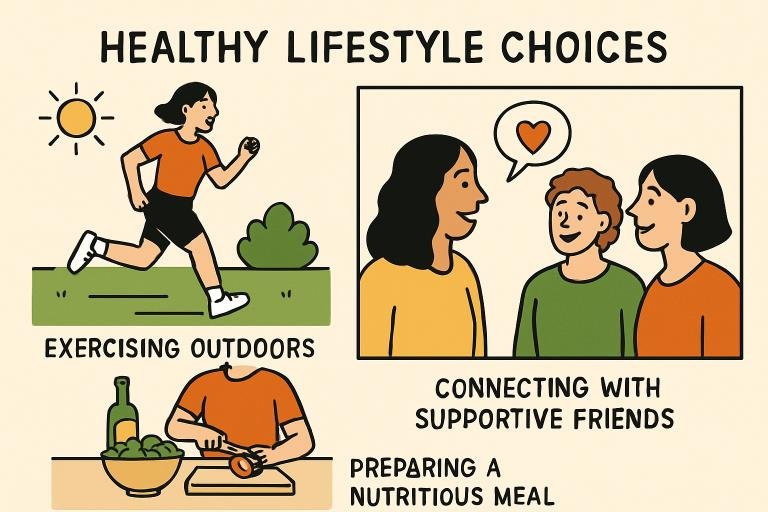
A balanced diet and regular physical activity are fundamental for recovery. Substance use often depletes vital nutrients and weakens the body, underscoring the importance of nutrition in healing. Consistent meals packed with whole grains, lean proteins, and fresh produce promote brain and body repair. Meanwhile, exercise has been proven to reduce cravings and improve mood by naturally releasing endorphins. Activities such as yoga, swimming, or a simple daily walk can ease anxiety and build a sense of accomplishment. According to CDC guidance, regular exercise is key to preventing chronic health issues, especially during recovery.
Building a Support Network
Few individuals succeed in recovery alone. Support networks, including family, trusted friends, mentors, or peer groups, are vital. These connections provide encouragement, accountability, and a sense of belonging. Engagement with groups such as LifeRing Secular Recovery, where peers share experiences and solutions, can foster resilience and reduce the risk of relapse. A strong support network also makes it easier to access resources and talk openly about challenges.
Establishing Healthy Routines
Creating routines that bring structure to daily life helps reinforce positive habits. Consistent schedules for sleeping, waking, meals, work, and relaxation offer predictability, which reduces stress and anxiety. For many in recovery, these routines become anchors that provide stability and a sense of control. Small actions, such as preparing balanced meals or setting aside time for hobbies and exercise, can create a rhythm that keeps unhealthy impulses at bay.
Engaging in Meaningful Activities
Substance use typically occupies much of a person’s time. Replacing those hours with meaningful activities nourishes both body and soul. Hobbies like painting, playing an instrument, gardening, or volunteering allow individuals to tap into personal passions while building self-esteem and community connections. Participation in group activities or skills classes can also ease feelings of isolation and introduce structure to free time, supporting long-term recovery goals.
Prioritizing Mental Health
Mental health care is a non-negotiable part of recovery. Therapy, mindfulness practices, and stress management techniques cultivate emotional resilience, equipping people to handle triggers and setbacks. Therapy helps address the root causes of addiction and develop effective coping skills. Mindfulness meditation and breathing exercises relieve anxiety and offer grounding when challenges arise. Regular engagement in mental health support systems has been shown to decrease relapse risk significantly.
Utilizing Technology for Support
Technology is increasingly part of the recovery toolkit. Mobile apps like Sober Sidekick help users log triggers, track milestones, and reach supportive communities at any time. Online support groups and recovery forums allow for connection without geographical limitations, making it easier to find encouragement and resources after treatment. These digital solutions complement traditional therapies by providing 24/7 access to motivation and accountability.
Securing Stable Housing and Employment
Stable housing and employment are essential for ongoing recovery. They offer financial security, routine, and purpose, making it easier to avoid relapse. Programs like Housing First prioritize placing individuals in safe, affordable homes before requiring completion of treatment programs, which has been shown to improve long-term outcomes. Employment, whether through job placement agencies or supported work programs, reinstates self-worth and responsibility, supporting the recovery process.
Overcoming Common Barriers
Barriers to practical challenges, such as loneliness, financial worries, untreated mental health issues, or lapses in motivation, can seem insurmountable at times. However, solutions do exist. Community engagement, financial literacy, and proactive planning for difficult moments all strengthen a person’s ability to stay on track. Studies have shown that strong social support can halve the risk of relapse, underlining the value of resilient relationships and regular check-ins with support systems.
Lasting recovery is a journey that flourishes with positive lifestyle changes. By prioritizing nutrition, exercise, supportive relationships, routines, meaningful pursuits, mental health care, and stable living and work conditions, individuals lay a foundation for long-term well-being. Resilience grows when these habits are nurtured, creating the best chance for a healthier, substance-free life.