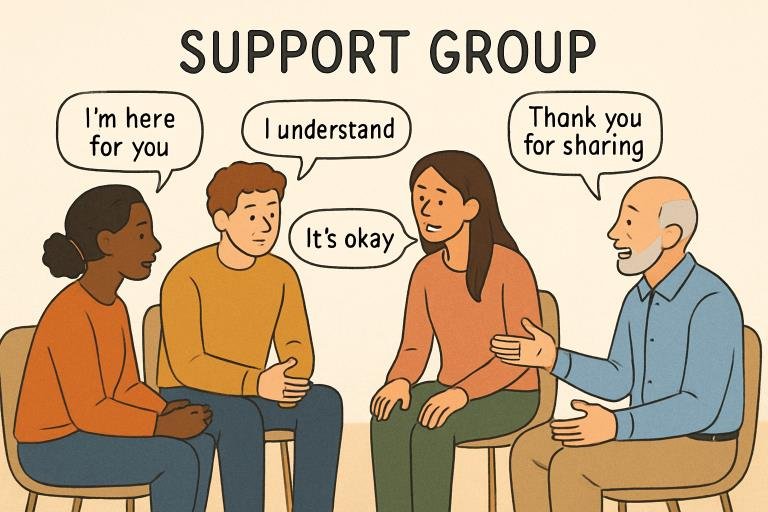
Group therapy is a transformative modality that brings people together to share, learn, and grow. For individuals working through personal challenges, the collective strength of a supportive group can provide a strong network for healing. In settings such as an intensive outpatient program in Boulder, Colorado, participants experience firsthand the power of shared understanding and mutual encouragement. The structured yet empathetic environment found in group therapy settings motivates individuals to reflect, open up, and support others.
This dynamic sets the stage for personal transformation. When people witness others facing similar obstacles, it can normalize their feelings, foster empathy, and prompt a sense of hope. In these safe spaces, vulnerability is encouraged, and personal breakthroughs become possible as participants build trust. Through consistent participation and honest communication, many individuals find that their capacity for growth is greatly enhanced by the collective wisdom and support of their peers.
Shared Experiences and Empathy
One of the greatest strengths of group therapy is the realization that personal struggles are often more universal than we assume. By sharing their stories, group members create a powerful sense of empathy and validation within the group. This shared experience can lift a substantial burden from individuals who have felt isolated or misunderstood in other settings. Over time, participants grow more comfortable discussing difficult topics, knowing that others genuinely understand and relate to their hardships. This shared vulnerability helps foster an atmosphere of compassion and acceptance, which is crucial for healing and growth.
Diverse Perspectives
The variety of backgrounds and experiences within a group therapy setting leads to insightful discussions and new ways of thinking. Each group member brings their own lens to similar challenges, offering alternative solutions that others may never have considered. Exposure to diverse perspectives inspires creative problem-solving and enhances self-awareness, empowering individuals to break free from limiting beliefs. Clinical research consistently highlights the benefits of group therapy in broadening participants’ understanding of themselves and others.
Building Confidence Through Feedback
In group therapy, feedback comes from a place of empathy and shared intention. Honest observations, supportive suggestions, and gentle challenges from peers help individuals recognize both strengths and growth areas. This feedback loop builds self-esteem and encourages progress in ways that solo reflection rarely achieves. As group members applaud personal wins and help each other navigate setbacks, confidence is gradually reinforced through positive reinforcement and collective validation.
Overcoming Isolation
Isolation is a significant barrier for many struggling with mental health or life transitions. Group therapy counteracts this by providing a consistent support system where people feel seen and understood. Regular attendance offers predictability and social contact, both recognized as essential for mental health recovery. The simple act of showing up for oneself and others dismantles the walls built by loneliness and encourages re-engagement with the wider world.
Accountability and Motivation
Group therapy introduces subtle yet powerful motivators that help keep individuals on track. The investment each participant makes in the group dynamic creates a sense of responsibility to return and contribute. Witnessing the advancements of fellow group members can inspire renewed dedication to one’s personal goals. The momentum of collective progress often encourages members to adopt new strategies, share progress updates, and celebrate victories together, reinforcing a culture of accountability.
Developing Social Skills
Therapy groups function as real-life laboratories for interpersonal growth. Participants interact with others in a setting where authenticity, listening, and respectful dialogue are prioritized. These opportunities allow individuals to practice and refine social skills such as assertive communication, boundary-setting, empathy, and healthy conflict resolution. The reward is evident as these skills become increasingly useful in personal lives, relationships, and workplaces, fostering resilience and adaptability.
Fostering Authentic Connections
Connections built in group therapy often reach depths that can be difficult to achieve elsewhere. The bonds formed through shared vulnerability, honest dialogue, and mutual support are powerful and enduring. Some group members stay in touch long after participating, continuing to encourage each other outside structured meetings. These authentic relationships act as a source of strength and provide a lasting resource for ongoing personal development.
Measuring Progress Collectively
Tracking and celebrating progress as a group not only motivates individual growth but also enhances the experience of collective achievement. Group milestones remind participants that their journey is both unique and shared. This sense of accomplishment reinforces commitment to therapeutic practices and helps members acknowledge just how far they have come. Recognizing progress as a community affirms the value of group work in fostering meaningful, lasting change.
Group therapy creates an environment where individuals can thrive together, finding strength in empathy, diversity, and shared commitment to growth. For those seeking support and transformation, it stands as one of the most effective modalities for improving mental health and creating profound, lasting personal change.