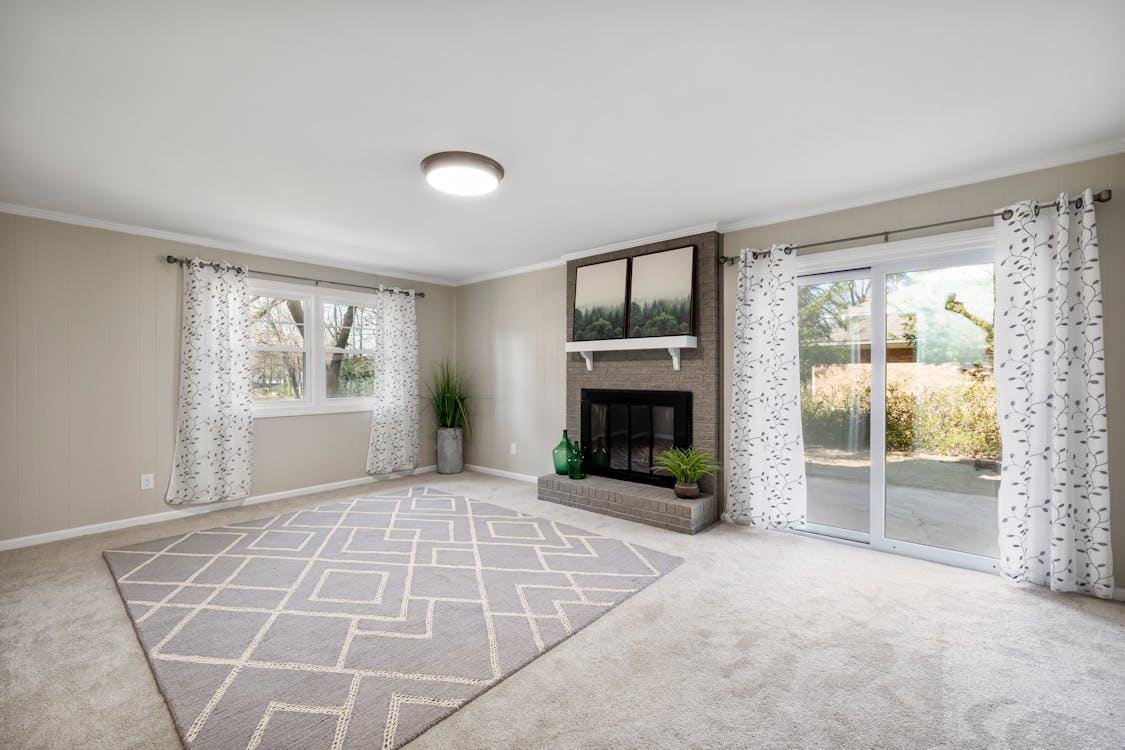
The same furniture, the same walls, the same layout can take on a completely different tone once the surface underfoot changes. A space that once felt cold or disconnected can suddenly feel settled and inviting. Many homeowners notice this after walking into a newly updated room and realizing it feels “right” without immediately knowing why.
In Tampa, this impact becomes even more noticeable because homes stay active throughout the day. Shoes move in and out, moisture comes along with it, and spaces rarely sit unused for long. Flooring has to support all of that while still instilling a sense of comfort. A well-chosen update can make evenings feel calmer, mornings feel smoother, and shared areas feel easier to live in without constant cleaning or adjustment.
Setting the Foundation for Comfort and Feel
Comfort inside a home often starts with what’s underfoot. A surface that feels too hard can make a room less inviting during long evenings, while something too delicate can struggle to keep up with daily activity. Homeowners usually begin noticing this during routines. Walking barefoot from one room to another, sitting on the floor with kids, or even standing in the same spot for a while can highlight whether the flooring truly works for the space.
Getting the right carpet can help resolve many of these issues, but installation matters just as much. For the best carpet installation Tampa residents only seek expert services when they want something that actually supports how the room is used. A family room that sees constant activity may benefit from a tightly woven carpet that holds its shape and handles spills without much trouble. A bedroom designed for rest might lean toward softer textures that feel comfortable at the end of the day.
Finish That Shapes Visual Energy
The finish of a floor can quietly influence how a room feels from morning to night. A matte surface tends to absorb light, giving the space a softer and more settled appearance. This can make a living room feel relaxed, especially during evenings when lighting is lower, and the atmosphere shifts toward comfort. Many homeowners prefer this finish in areas where they spend extended time, as it doesn’t draw attention to minor marks or daily wear.
Glossy finishes create a completely different impression. Light reflects across the surface, which can make smaller rooms feel brighter and more open. Plus, this works well in entryways or kitchens where visibility matters. At the same time, homeowners often notice that footprints and dust become more visible, especially in busy households.
Grounding the Space with Natural Influence
Natural-looking flooring tends to bring a sense of ease into a home without trying too hard. Wood-inspired textures, subtle grain patterns, and earthy tones create a backdrop that feels familiar and comfortable. A room with these elements often feels more balanced, especially when paired with simple furnishings and everyday lighting. Homeowners often find that such surfaces don’t compete with décor, which makes it easier to change other elements later.
In homes where indoor and outdoor spaces connect frequently, this choice becomes even more practical. A living room that opens toward a patio can feel more unified when the flooring carries similar tones throughout. The transition feels smoother, and the space doesn’t feel divided.
Guiding Furniture and Layout Flow
A continuous surface allows furniture to sit within the space, while segmented or mismatched flooring can create visual breaks that limit how areas are used. Homeowners often notice this when rearranging a room. Some layouts feel easy to work with, while others seem restricted by where the flooring changes.
A flooring update can open up new possibilities without altering the structure of the home. For example, replacing multiple flooring types with a single consistent surface can make an open-plan area feel more flexible. A dining table can shift positions, seating can be rearranged, and the room begins to feel less confined.
Shaping Sound Within the Home
A room with hard flooring can carry noise across the space, making footsteps, conversations, and movement more noticeable. This becomes more apparent in open layouts or homes with higher ceilings, where sound travels without much interruption.
Softer flooring materials help create a quieter environment. Carpeted areas absorb sound, which can make a home feel more controlled and less distracting. A homeowner working from home might notice fewer interruptions during calls, while shared living spaces can feel more relaxed during busy hours. Flooring choices that account for sound can improve how a home feels throughout the day without requiring additional changes.
Bringing Warmth into Open Spaces
Large, open areas can sometimes feel impressive at first glance but slightly distant during daily use. Wide layouts with minimal visual breaks may look clean, yet they can lack the sense of comfort that makes a home feel inviting. Flooring plays a major role in softening that effect, especially through color choice. Warmer tones tend to bring a sense of ease into these spaces, helping them feel more lived-in rather than purely styled.
A homeowner with an open living and dining area might notice how a warm wood finish or a similar tone underfoot changes the experience of the room. Evening lighting feels softer, and the space becomes more suitable for relaxation or gatherings. Even without adding new furniture, the room begins to feel more approachable.
Highlighting Architectural Details
Certain features within a home often go unnoticed until the flooring supports them properly. Elements such as large windows, built-in shelving, or ceiling beams can easily blend into the background if the surrounding surfaces compete for attention. A well-chosen floor can bring those features forward by acting as a quiet base rather than a distracting one.
For example, a homeowner with large windows overlooking a backyard may find that a neutral floor allows natural light to stand out more clearly. The same applies to custom details like trim work or open staircases. Once the flooring stops drawing attention away, these features become part of the overall experience.
Shaping Everyday Mood and Experience
The overall mood of a home is built through repeated daily experiences. Walking across a comfortable surface in the morning, moving easily through shared spaces, or sitting in a room that feels balanced all contribute to how a home is perceived over time. Flooring plays a constant role here, even if it isn’t always noticed directly.
A well-chosen flooring update can inherently support these experiences. A quiet bedroom, a welcoming living area, or a functional workspace all benefit from surfaces that align with their purpose. Homeowners often realize the impact after the change is made, noticing how the home feels easier to live in without needing further adjustments.
Each flooring choice influences comfort, layout, sound, and how spaces are experienced throughout the day. A thoughtful selection creates a home that feels consistent and naturally suited to everyday life, allowing every room to support its purpose without effort.