Key Takeaways
- Flexible business credit enables immediate and repeated access to working capital, supporting ongoing cash flow management.
- It empowers enterprises to tackle both planned expansion and unforeseen operational hurdles with financial agility.
- Companies that leverage flexible credit can better mitigate the risks posed by seasonality, supply chain disruptions, or sudden growth opportunities.
- Understanding credit product terms and using them responsibly is crucial to safeguard against potential financial setbacks.
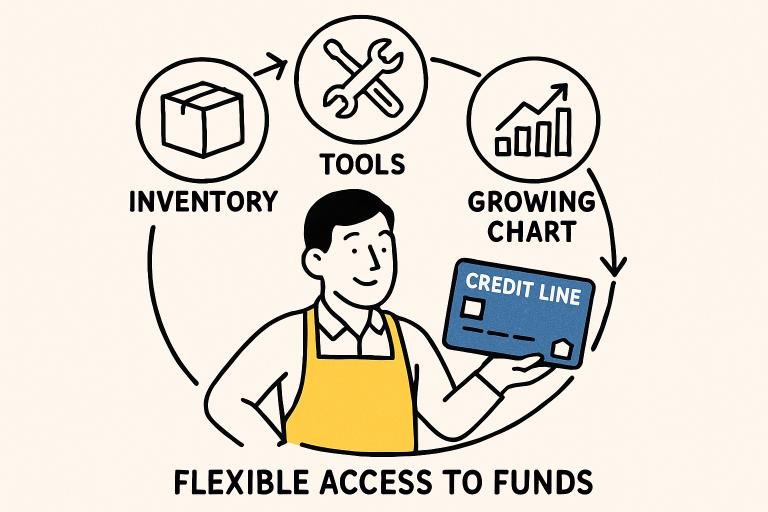
In today’s fast-paced business landscape, companies of all sizes need adaptable financial tools to stay competitive and maintain smooth operations. One of the most effective resources is revolving funding solutions, which provide flexible business credit to help organizations manage daily cash flow, invest in growth initiatives, and navigate short-term financial challenges. By offering immediate access to capital without the delays of traditional loans, these solutions empower business owners to respond quickly to market changes, cover unexpected expenses, purchase inventory, or take on new projects, ensuring continuous growth and financial stability.
Understanding Flexible Business Credit
Flexible business credit covers financial arrangements such as revolving lines of credit and other facilities that allow drawdowns and repayments as needed, up to a set limit. These products differ from traditional loans by providing funds that can be accessed repeatedly and repaid, thereby supporting cash flow variability. Flexible credit is ideal for addressing short-term funding gaps, taking advantage of supplier discounts, or simply maintaining operational continuity. For many businesses, this can mean the difference between delayed opportunities and real-time business growth.
Benefits for Growing Enterprises
As businesses transition from startup to growth phase, managing financial resources efficiently becomes increasingly critical. Flexible credit provides a safety net that makes it easier to manage working capital, scale operations, and respond to new prospects. Growing companies can secure goods and services with confidence, invest in necessary infrastructure, or ramp up marketing to stay ahead of competitors. According to a PYMNTS report, over 80% of small and midsize businesses feel confident in their ability to access new credit, indicating the growing accessibility and popularity of these solutions.
Navigating Seasonal Fluctuations
Certain industries are particularly exposed to cycles of high and low demand. With flexible credit, enterprises can cushion seasonal shifts by accessing additional working capital before peak periods to scale up production or inventory. When sales volumes dip during slower months, credit lines can be used to maintain payroll or meet ongoing obligations, reducing the risk of operational interruptions. For example, retailers use credit to stock up before the holiday rush, ensuring they maximize seasonal revenue and stay competitive in volatile markets.
Investing in Growth Opportunities
Flexible credit products allow enterprises to act quickly on growth opportunities, whether investing in new equipment, launching campaigns to reach new markets, or hiring staff for expansion. By easing the limitation of immediate capital, businesses can accelerate strategic initiatives that support long-term value and market positioning. The Brookings Institution highlights the role of modern credit products in strengthening economic growth for small- and mid-sized businesses, underscoring their importance in a robust, adaptable economy.
Managing Unexpected Expenses
From emergency equipment repairs to unforeseen regulatory requirements, unexpected expenses can destabilize even the most carefully managed budgets. Flexible credit provides companies with a quick-access safety net, allowing them to meet these demands without diverting resources from ongoing priorities. This adaptability means enterprises can address problems swiftly, preserve stakeholder confidence, and remain focused on strategic objectives rather than short-term crises.
Choosing the Right Credit Option
Selecting a flexible credit solution should be based on a careful assessment of your company’s unique needs. Key factors to review include interest rates, fees, repayment flexibility, credit limits, and eligibility requirements. It’s also crucial to scrutinize the fine print, as policies around usage, repayments, and renewals can vary significantly between providers. By matching the credit option to your specific cash flow patterns and business model, you can maximize benefits while minimizing costs and risks.
Potential Pitfalls to Avoid
While flexible business credit can be immensely valuable, irresponsible use can lead to overindebtedness, financial strain, or missed repayment obligations. Over-reliance on credit for non-essential or recurring expenses should be avoided, as should neglecting fees or terms in your agreement. To keep your business on track, use credit products strategically and monitor usage closely to maintain financial health. For further reading on responsible borrowing and credit management, visit the Forbes Advisor Business Credit Guide.
Conclusion
Flexible business credit empowers companies to remain resilient and responsive in a changing marketplace. By understanding the nature of these financial tools and using them wisely, enterprises can unlock sustainable growth, safeguard operations, and continually capitalize on new opportunities. The right credit strategy is a cornerstone of modern business success, providing the assurance and agility required to thrive in uncertain times.