Key Takeaways
- Consistent training enhances communication and trust between you and your dog.
- Regular training sessions provide mental and emotional stimulation, reducing behavioral issues.
- Positive reinforcement during training fosters joyful associations with learning.
- Establishing routines through training offers your dog confidence and security.
- Training sessions are valuable moments of quality time, deepening your emotional connection.
Building a strong relationship with your dog goes beyond daily walks and playtime. Regular, consistent training helps your dog understand expectations and routines, creating a sense of security and trust. When commands and rules are applied gently but consistently, dogs respond more confidently, reducing anxiety and behavioral issues. This steady approach not only encourages good habits but also strengthens the emotional connection between owner and pet. Over time, your dog learns to look to you for guidance, which fosters a deeper bond.
Incorporating small training sessions into everyday life can make a significant difference. Even brief moments of focus on basic commands or new tricks reinforce communication and mutual understanding. Local training programs, such as Rob’s Dogs, emphasize positive reinforcement techniques that encourage cooperation and engagement. With patience and regular practice, these consistent efforts build a reliable foundation of trust, making your companionship more fulfilling for both you and your dog.
Enhancing Communication and Trust
Training sessions are the foundation for fostering clear communication between you and your dog. By consistently using specific cues and commands, you teach your dog not just what you expect but how to understand your words and body language. This mutual understanding builds confidence in your leadership and lays the foundation for a rich, trusting relationship. Dogs are more likely to obey and interact positively when they feel understood and appreciated. As experts point out, establishing strong communication through training lays the groundwork for a deeper connection.
Providing Mental Stimulation
Mentally stimulating your dog is just as crucial as physical exercise. Consistent training keeps your dog’s mind active, curbing boredom and reducing the chance of problem behaviors such as chewing or digging. Introducing new skills or playful tricks challenges your dog and keeps them engaged. Working together during training also allows your dog to use their problem-solving skills, deepening the connection between you. It’s proven that shared learning activities are highly effective at controlling unwanted behaviors and enhancing your relationship.
Fostering Positive Associations
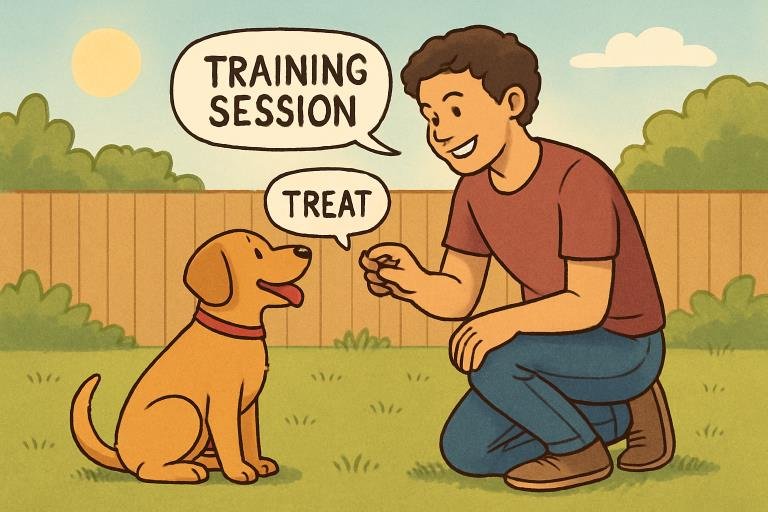
Using positive reinforcement, through treats, praise, or play, helps your dog connect training with enjoyable experiences. Dogs that enjoy their sessions become enthusiastic learners and are more likely to repeat the behaviors you teach. Programs focused on dog training in Phoenix often emphasize this approach, creating a foundation of trust and making each interaction something your dog looks forward to. By associating learning with fun and encouragement, you foster a sense of shared success and cooperation, strengthening both behavior and the bond you share with your pet.
Establishing Routines
Dogs feel happiest when their environment is predictable. A regular training schedule provides your pet with reliable boundaries and structure. Knowing what to expect each day reduces stress and anxiety, making your dog feel more secure in their home. These daily routines, whether it’s a morning obedience refresher or evening leash practice, set the stage for positive behavior throughout your dog’s life. Rituals also offer a consistent opportunity for you and your pet to connect, building a routine of togetherness that is hard to break.
Quality Time Together
Every training session is a pocket of quality time where you establish undistracted focus on your dog. These shared moments allow your dog to feel seen and valued. The attention and encouragement your dog receives during training speak volumes, deepening your pet’s attachment to you. Dogs crave approval and interaction, and training offers a chance to meet those social and emotional needs, free of the common distractions of life. Regular affirmations build your dog’s sense of inclusion and belonging.
Celebrating Shared Achievements
When your dog masters a new command or overcomes a challenge, these shared victories reinforce the bond between you. Recognizing achievements, whether big or small, builds your dog’s confidence and nurtures a positive feedback loop. The joy experienced from celebrating training successes together creates lasting memories and motivates further engagement, reinforcing mutual respect and pride in your teamwork. Each accomplishment builds another layer of trust and strengthens the collaborative spirit that defines a positive human-dog relationship.
Addressing Behavioral Issues
Structured training is vital in addressing and correcting unwanted behaviors. Consistent instruction allows you to set clear expectations and reward good choices, guiding your dog away from habits such as excessive barking or leash-pulling. This proactive approach not only reduces household frustration but also fosters a calm, understanding environment. When you invest in addressing behavior through structured sessions, your dog benefits from less confusion and stress, while your relationship becomes more harmonious. Studies show that obedience training is closely linked to higher levels of pet-owner satisfaction and a more resilient bond.
Advanced Training and Activities
Once your dog has mastered the basics, exploring advanced training or activities such as agility, rally, or scent work can provide additional enrichment. These activities require teamwork and trust, challenging your dog both mentally and physically. Participating in advanced or group training environments helps reinforce skills learned at home and creates new opportunities for connection. As you and your dog rise to new challenges together, the strong foundation built by consistent training will shine through, creating a partnership built on trust and joy. The American Kennel Club encourages owners to pursue advanced activities to maintain their pets’ sharpness and deepen their bond with them.
Conclusion
Consistent training is about much more than teaching commands. It’s a transformative journey that provides communication, structure, mental stimulation, joyful experiences, and mutual achievement. Devoting regular time and attention to training will not only help shape your dog’s behavior but will also ensure your bond flourishes for years to come.