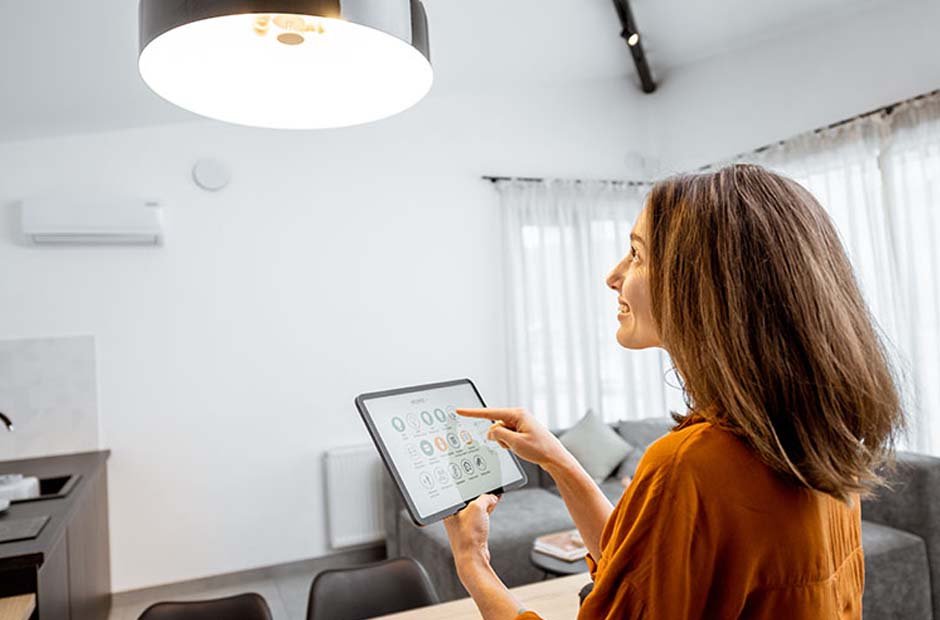
Home automation is no longer just a novelty; it’s not something a techie has in their own complex realm of circuits and apps to make their life easier. Home automation is about making everyone else’s life easier because it boasts systems that constantly learn and operate on intuitive levels to avoid the need for mundane, repetitive daily adjustments that previously used up time and energy.
Home automation systems possess the ultimate goal – comfort – because they engage in climate control, lighting and security innovations without the homeowner having to bat an eye. Where human intuition fell short before because it required consciousness about repeated behaviors, automation has taken a step forward to create a more effortless living environment.
Climate Control That Knows You Better Than You Know Yourself
Where home climate control is concerned, the line between the smart temperature management system of an automation and the programmable thermostat of the past is deeply delineated. Home climate control takes daily routines into account to adjust temperature as necessary during waking hours, work hours, time spent commuting, and bedtime hours.
Smaller adjustments can occur that save valuable time yet amount to major efforts in convenience. Home climate can recognize when someone comes home from work early and automatically begins cooling or heating their home before they even step inside. Occupancy sensors allow specific rooms to become heated or cooled without wasting energy on unused parts of the house; this is incredibly important for rooms like the home office or basement.
Zone control allows parts of the house to remain at one temperature while other areas are at another; the home office can be cool in the daytime hours while the bedroom remains warm – and as people transition through their own spaces at night, climate control can adjust accordingly. Those who have a wine cellar can use a professional’s help for climate control systems nyc options that provide precise temperatures for specific spaces.
Humidity control works similarly; homes may feel stuffy when air conditioning or heat is not on but with smart humidity control, there’s no lack of air quality when systems automatically adjust humidity levels to ensure a house always feels good, even if temperatures aren’t ideal.
Lighting That Makes Natural Sense
Lighting works in harmony with home automation’s intuitive need for comfort by promoting natural circadian rhythms. The lights can gradually adjust in the morning – or even use light bulbs that simulate the color/temperature of sunlight – as a way to wake people up gently when it’s time without harsh transitions from dark to glaring white.
Lights can automatically turn on when someone enters a room, as long as it’s programmed to know that’s what you want. This alleviates the manual responsibility from most people who rarely think about such conveniences until they’re standing there in the dark. If there’s too much natural light in the room, the lights will dim further or even turn off entirely.
At night, lights will dim effectively so that bedtime is welcomed rather than thrown at someone. They can transition to warmer light tones to relax the mind and body and make it comfortable – and pathway lights can automatically come on for late night restrooms without blinding individuals who may otherwise resent sharp light forces in the middle of their relaxation efforts.
Security Systems Without Complications
When considering security systems in conjunction with home automation, alarms are no longer stand alone units; instead, integrated systems create multiple levels of safety without complicated engagement.
Smart locks allow entry through various outlets, whether keys, cell phones, key pads or biometric options like fingerprinting. Smart locks will automatically lock when everyone leaves and recognize friends and families as they approach using facial recognition capabilities – it can even give a thumbs up to an Amazon driver delivering a package without manually needing to do anything as all doors also automatically unlock for users holding their phones/keys in hand upon arrival.
Smart cameras recognize patterns – animals versus children coming in and out versus unusual behavior and send alerting notifications about suspicious movement through peoples’ yards without failing to note children retrieving balls or dogs running after each other. They can light up walkways as necessary without manual learning curves when either working with smart lighting or standing alone as their own component.
Window sensors alert climate control that a window has been left open, rendering certain systems unnecessary while letting security know that there’s an open point of entry but not offering false alarms when the window was simply ajar all along.
Entertainment Ease
Where entertainment is concerned via home automation, homes take control. Audio systems play music throughout various rooms depending on where people go and smart assistants help navigate favorite songs without breaking up companionship.
Lights dim automatically when someone preps for movie night; people no longer have to worry about temperature settings with everyone huddled together for multiple hours or unless they want crisp conditions using a smart system that already knows who exactly is in that space. Blinds work with automating systems to shut out sun glare while a temperature comfort horn of plenty controls it all – lights down low instead of bright transition time becomes reality because of automated marvels.
Application and Integration
What holds all these components together is ultimately application and integration among various technological advancements instead of allowing one system per room only operating in isolation with no regard for other arenas; a morning routine can turn down bedroom lights, reduce heating temperatures, turn on coffee machines with brew times set for common meetings, decrease outside camera coverage during celebratory mornings instead of viewing gates and fences like it’s a weekday.
Voice assistants empower systems to do this all at once per request – for example, “good morning!” can have everything set up perfectly operating together instead of only responding positively if one were to walk room by room turning things off manually.
Furthermore, mobile applications allow automated systems from outdoors so tools like heating temperatures can cool or warm spaces before someone arrives home – exterior lights can be dimmed while people check windows overnight for peace of mind – which offers astonishing comfort above typical life convenience claims.
Smart Solutions
The best solution is implementing systems that logically make sense for decent issues commonly faced daily. For example, climate control powered by automated support runs best as does lighting availability; security systems become peace of mind installers for all concerned who want homes running perfectly but don’t want potential inconvenience vestiges ruining the entire experience.
Use a professional from the start to ensure that proper integration occurs – components operate efficiently together – and over time if better systems come about like speaker integration options easier than before, this should support future endeavors nicely.
In summary, life would most ideally operate where areas blended as one so that all systems are consistently monitored through applications unless they remember on their own daily patterns – this avoids conversations even occurring about given components turning on or off; family members simply accept how comfortably everything runs – as it should be!
The updates in home automation render transforming homes into smart abodes impossible if people fail to engage from an investment perspective for pros. Only those who fail get trapped by bad installation decisions who assume they’re stuck at square one rely on themselves alone – anomalies exist – but modern day options allow huge levels of comfort support that any accessibility boast should encourage optimal convenience appeal without question!