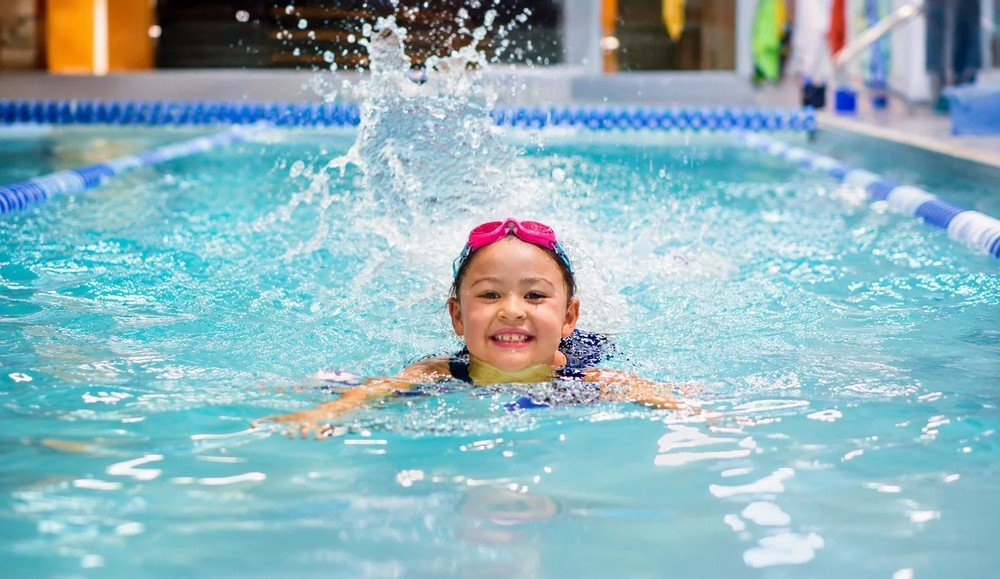
Understanding the Benefits of Year-Round Indoor Swim Classes for Children
Swimming is a life skill that brings joy, builds confidence, and ensures safety in and around water. While many often think of summer for swimming, indoor swim classes offer a unique advantage.
They provide a consistent, climate-controlled environment. This allows for year-round learning and skill development, regardless of the weather outside. This continuous practice is especially beneficial for building strong aquatic foundations.
For instance, consistent enrollment in year-round indoor swim classes for children helps young learners retain skills and progress steadily.
In this extensive guide, we will dive deep into indoor swim classes. We will explore the various types available for all ages, from toddlers taking their first splash to adults perfecting their strokes. We will also help you understand how to choose the right level, what to expect, and how to find the ideal program to meet your goals.
The decision to enroll children in swimming lessons is often driven by safety concerns, and rightly so. Drowning prevention is a primary goal, and consistent, high-quality instruction significantly reduces risk. Indoor swim classes offer a distinct advantage in achieving this, primarily through continuous learning and seasonal consistency. Unlike outdoor pools, which are subject to weather and seasonal closures, indoor facilities provide a stable environment for skill development throughout the year.
This year-round accessibility means children can maintain and build upon their aquatic abilities without long breaks that often lead to skill regression. The consistent temperature regulation of indoor pools ensures a comfortable learning experience, free from the distractions of cold water or harsh sun. This uninterrupted training fosters better skill retention and allows for a steady progression through various developmental milestones. For parents seeking to provide their children with a foundational life skill, the benefits of continuous, climate-controlled instruction are invaluable.
Why Year-Round Indoor Swim Classes for Children Build Lasting Confidence
Consistent exposure to water and structured lessons is crucial for children to develop true comfort and confidence in an aquatic environment. Year-round indoor swim classes play a pivotal role in this process by enabling uninterrupted training. When lessons are a regular part of a child’s weekly routine, muscle memory for swimming strokes and water safety techniques is reinforced continuously. This eliminates the need to “re-learn” skills after a long break, which can be frustrating and confidence-eroding for young swimmers.
Moreover, the predictability of a weekly routine in a familiar indoor setting helps to reduce fear and anxiety associated with water. Children become comfortable with their instructors, their peers, and the pool environment itself, fostering a sense of security. This consistent positive reinforcement, coupled with gradual skill acquisition, allows children to build lasting confidence, not just in their swimming abilities but also in their capacity to learn new skills and overcome challenges. They learn to trust their bodies in the water, which is a significant step towards becoming strong, independent swimmers.
Developmental Milestones in Year-Round Indoor Swim Classes for Children
Indoor swim programs are typically structured to guide children through a series of developmental milestones, carefully tailored to their age and cognitive abilities. For younger children, initial focus is often on basic water safety benchmarks, such as learning to enter and exit the water safely, blowing bubbles, and performing supported floats. As they progress, the curriculum introduces more complex skills.
These include developing gross motor skills necessary for propulsion, like flutter kicking and arm movements, and mastering breath control techniques essential for sustained swimming. Independent propulsion—moving through the water without assistance—is a significant milestone, followed by more refined skills such as glides and rudimentary strokes. These structured progressions build physical coordination and prepare children for advanced stroke development, ensuring they gain comprehensive water competency.
Age-Specific Swimming Curriculums: From Infants to Teens
Indoor swim programs offer a diverse range of age-specific curriculums, ensuring that lessons are tailored to the unique developmental stages and learning styles of participants, from the youngest infants to teenagers. This structured approach, often involving tiered skill progression, allows for effective learning and measurable advancement.
Here’s a general overview of how youth swim stages are typically structured, encompassing age targets, core safety milestones, and the techniques taught:
| Swim Stage | Age Target | Core Safety Milestones | Taught Stroke Techniques |
|---|---|---|---|
| Parent-and-Infant | 6-36 Months | Water acclimation, assisted back floats, safe entry/exit | Water exploration, gentle propulsion |
| Preschool Aquatics | 3-5 Years | Water independence, breath control, unsupported floats | Basic glides, flutter kick, arm paddles |
| Learn-to-Swim Level 1 | 6+ Years | Submerging, rhythmic breathing, unassisted floating | Front/back glides, basic arm/leg actions |
| Learn-to-Swim Level 2 | 6+ Years | Treading water, rotary breathing, changing direction | Combined arm/leg actions, intro to freestyle |
| Learn-to-Swim Level 3 | 6+ Years | Deep water entry, survival float, elementary backstroke | Freestyle, backstroke, dolphin kick |
| Learn-to-Swim Level 4 | 6+ Years | Open turns, foot-first surface dive, extended endurance | Breaststroke, sidestroke, refining previous strokes |
| Learn-to-Swim Level 5 | 6+ Years | Flip turns, rescue breathing, advanced endurance | Butterfly, individual medley, competitive starts |
Parent-and-Infant Water Orientation
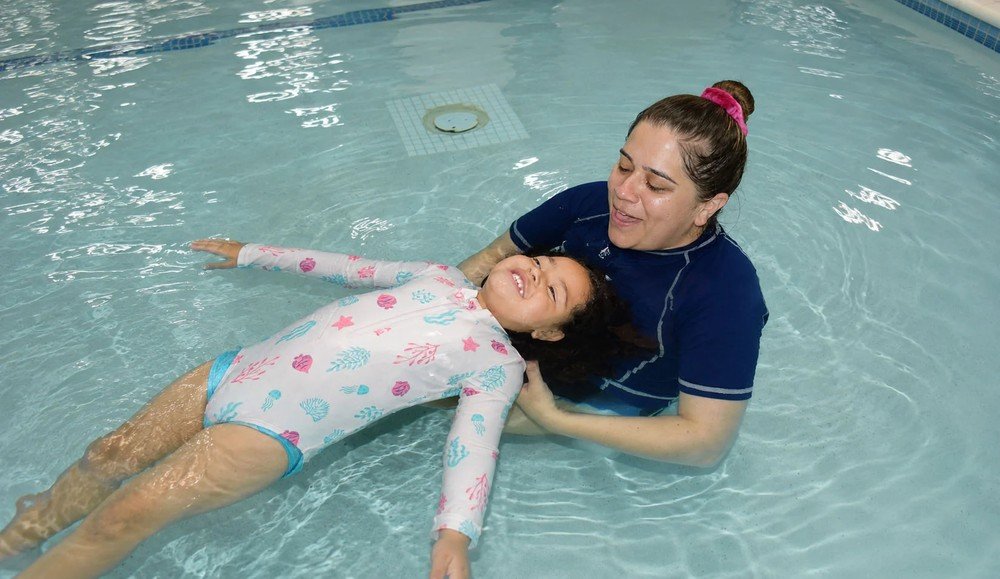
For the youngest swimmers, typically infants aged 6 to 36 months, parent-and-infant classes focus on gentle acclimation to the water. These sessions are designed to create a positive first impression of swimming, emphasizing sensory comfort and fostering a strong caregiver bond in the aquatic environment. Activities often include gentle splashing, singing songs, and practicing assisted back floats and safe entry/exit techniques. The goal is to make children comfortable with water on their face, prepare them for potential submersion readiness in a controlled manner, and encourage early water discovery through play. These classes are less about formal swimming strokes and more about building confidence and familiarity for both parent and child.
Preschool Aquatic Foundations (Ages 3 to 5)
As children grow, typically between the ages of three and five, preschool aquatic programs build upon the initial water orientation. These classes focus on developing greater water independence. Key skills introduced include breath control, often taught through fun activities like bubble blowing, and achieving unsupported floating on both the front and back. Children also learn basic glides and flutter kicking, which are foundational for propulsion through the water. The aim is to make them comfortable moving independently in the shallow end, preparing them for more structured learn-to-swim programs. Some programs, like those offered by Bismarck Parks and Recreation District, segment this into levels focusing on water orientation, independence, and basic propulsion, ensuring a step-by-step approach.
Youth and Teen Learn-to-Swim Progressions
For children aged six and older, and extending into their teenage years, learn-to-swim programs delve into more formal stroke development and water safety. These progressions systematically introduce and refine various swimming techniques. Early levels focus on fundamental aquatic skills such as rhythmic breathing, treading water, and basic arm and leg actions. As students advance, they learn and improve on strokes like freestyle (front crawl), backstroke, and breaststroke. Later stages focus on stroke refinement, increasing endurance building for longer distances, and mastering deep-water safety skills. These comprehensive programs ensure that youth and teens not only become proficient swimmers but also gain the confidence and skills for a lifetime of aquatic enjoyment.
Adult Swim Instruction: Overcoming Fear and Mastering Technique
It’s never too late to learn to swim or to improve your technique. Adult swim instruction caters to a wide spectrum of needs, from those overcoming a lifelong fear of water to experienced swimmers looking to refine their performance. These programs recognize the unique learning styles of adults, often employing self-paced training and focusing on the psychological comfort that can be just as important as physical skill. Swimming is also an excellent low-impact exercise, making it ideal for adults seeking a gentle yet effective way to stay active.
Supportive Programs for Aquaphobic Adults
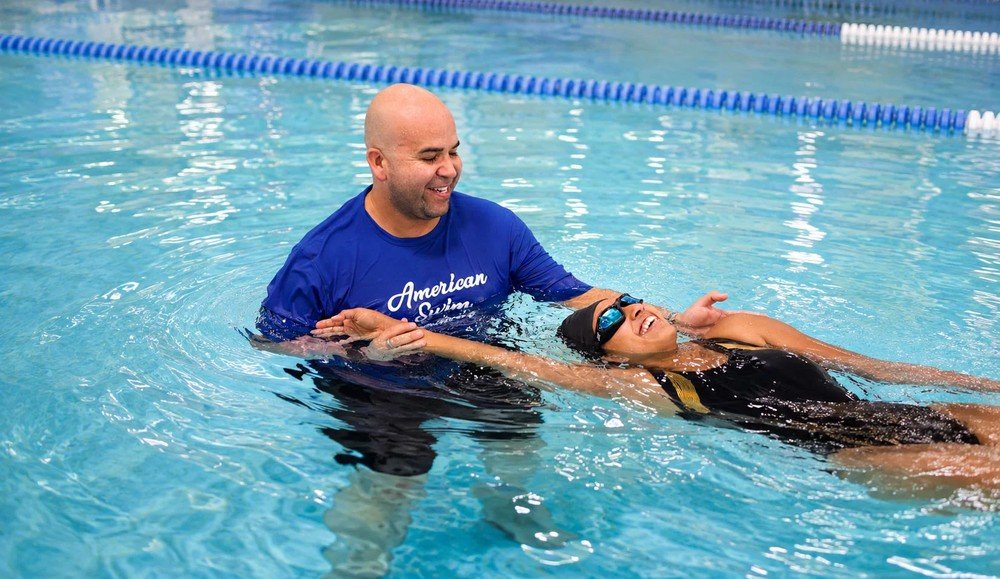
For many adults, the biggest hurdle to swimming is not a lack of physical ability, but a deep-seated fear of water, known as aquaphobia. Specialized programs are designed specifically to address this. These supportive classes prioritize fear management through gentle, step-by-step acclimation. Instructors focus on relaxation drills, starting in very shallow water and gradually introducing participants to deeper areas as their comfort grows. The emphasis is on personalized pacing, ensuring that each individual feels safe and in control throughout the process. Swim Stars, for example, offers a dedicated Aquaphobic program that employs a 12-step approach, focusing on confidence and control before moving to technique. This patient methodology helps adults overcome their apprehension and begin to enjoy the water.
Adult Beginner to Stroke Refinement and Fitness
Beyond overcoming fear, adult swim instruction also serves beginners who want to learn basic skills and more experienced swimmers aiming for stroke refinement and fitness. Beginner adult classes typically cover fundamental skills such as floating, basic propulsion, and rhythmic breathing, providing a solid foundation. As individuals progress, programs like Swim Stars’ “Adult Perf” focus on enhancing stroke mechanics for freestyle, backstroke, and breaststroke, improving bilateral breathing, and building lap endurance. These classes are also excellent for cardiovascular conditioning, offering a full-body workout. Whether the goal is to swim recreationally, participate in triathlons, or simply enjoy the health benefits of swimming, adult performance tracks are tailored to help individuals achieve their aquatic aspirations.
Specialized Aquatic Programs and Beyond-Lesson Pathways
Indoor aquatic facilities often extend their offerings beyond basic swim lessons, providing a rich variety of specialized programs and pathways for continued engagement with water. These extended programming options cater to diverse interests and needs, from individuals requiring adaptive instruction to those seeking competitive opportunities or general water fitness.
Adaptive Swim Instruction for Diverse Needs
Adaptive swim instruction is a vital component of inclusive aquatic programming, designed to meet the unique needs of individuals with physical, cognitive, or sensory disabilities. These classes feature individualized modifications to traditional swim lessons, ensuring that everyone has the opportunity to learn and enjoy swimming. Instructors in adaptive programs are often specially trained to provide sensory accommodations and employ motor adaptations, tailoring techniques to suit each participant’s capabilities. Facilities offering adaptive lessons, such as those periodically available through the Bismarck Parks and Recreation District, prioritize accessible environments and a supportive learning atmosphere, allowing adaptive swimmers to build confidence and develop essential water skills.
Competitive Teams, Water Fitness, and Open Family Swim
Beyond structured lessons, indoor pools serve as hubs for a range of aquatic activities. Many facilities host competitive swim clubs, such as the Manta Ray Swim Team at McBurney YMCA, offering training and competitive meets for youth and teens. For adults seeking fitness, water aerobics and other water exercise classes provide a low-impact way to improve cardiovascular health, strength, and flexibility. Open swim sessions are also a popular offering, allowing for recreational lap swim, family swim, or simply a chance for individuals to practice skills learned in lessons. These diverse programs ensure that the benefits of indoor aquatic environments extend far beyond initial swim instruction, fostering a vibrant community around water.
Navigating Costs, Scheduling, and Selecting the Right Facility
Choosing the right indoor swim class involves more than just finding a pool. It requires understanding the registration processes, session schedules, and class durations, as well as carefully evaluating the facility itself. These factors collectively determine the convenience, effectiveness, and overall value of the swim program.
Here’s a comparison of typical indoor class formats, session lengths, instructor ratios, and average costs based on common offerings:
| Feature | Group Lessons (Children/Youth) | Group Lessons (Adult) | Adaptive Lessons | Introductory/Discovery Lessons |
|---|---|---|---|---|
| Typical Session Length | 5-10 weeks | Monthly subscription or lesson packs | Varies by need, often 5-week sessions | Single session |
| Class Duration | 30-45 minutes | 30-60 minutes | 30-45 minutes | 20-30 minutes |
| Instructor Ratio | 1:4 to 1:6 (Preschool), 1:6 to 1:10 (Youth) | Varies (often 1:6 to 1:10) | Often 1:1 or 1:2 | 1:1 or small group |
| Average Cost (per session/month) | 60-100 (e.g., 60-65 for 5-week BPRD) | €20 intro, then subscriptions/packs | Varies, sometimes similar to group | €20 (e.g., Swim Stars) |
| Key Focus | Skill progression, water safety | Fear reduction, technique, fitness | Individualized support, comfort | Assessment, program fit |
Session Timelines, Durations, and Pricing Structures
Indoor swim class sessions are typically structured in multi-week blocks, providing a consistent learning environment. For instance, many municipal recreation districts, like Bismarck Parks and Recreation, offer group swim lesson sessions that generally include two 30-minute classes per week spanning a five-week duration. This results in 10 classes per session, allowing for steady progress.
Session timelines often align with academic seasons, with fall, winter, and spring sessions available. Registration windows are crucial, as popular classes can fill quickly; early registration, sometimes with priority for members, is common. For example, the McBurney YMCA offers classes year-round with specific registration dates for fall programming. Pricing structures vary, with some programs offering a flat fee per session (e.g., $60 for fall sessions, $65 for winter/spring sessions at Bismarck Parks and Recreation), while others, like Swim Stars, might offer an introductory course (e.g., €20) followed by subscription options or lesson packs. It’s also wise to inquire about waitlist strategies if preferred classes are full.
Finding and Choosing the Best Indoor Aquatic Facility
When searching for an indoor aquatic facility, several factors contribute to a positive and effective learning experience. Proximity to your home or work is often a practical consideration, but it shouldn’t be the only one. Key aspects to evaluate include the qualifications and certifications of the instructors, ensuring they are well-trained in water safety and teaching methodologies.
Water hygiene is paramount; look for facilities that clearly communicate their sanitation practices and maintain clean pool environments. Pool temperature is also important, especially for younger children or those with sensitivities, as a comfortably warm pool enhances the learning experience. Finally, inquire about student-to-teacher ratios, as smaller class sizes often allow for more personalized attention and faster progress. Utilizing interactive maps or online search tools, as suggested by Swim Stars, can help filter by course level and locate the nearest suitable facility.
Frequently Asked Questions About Indoor Swim Lessons
We understand that embarking on the journey of indoor swim lessons, for yourself or your child, often comes with questions. Here, we address some of the most common inquiries to help you feel prepared and confident.
How do I determine the appropriate swim level for myself or my child?
Determining the correct swim level is crucial for effective learning and safety. Most swim schools provide detailed swim level descriptions outlining the prerequisite benchmarks for each class. It’s important to review these carefully. For children, consider their comfort level in the water, their ability to submerge their face, and any unassisted movements they can perform. For adults, honestly assess your comfort with water depth, your ability to float, and any existing stroke knowledge. Many facilities offer skill assessment sessions or placement testing to accurately gauge an individual’s current abilities and recommend the most suitable class. Don’t hesitate to enroll in an introductory discovery lesson, like the €20 option offered by Swim Stars, which can serve as an assessment tool.
What should I expect during a typical indoor group swim session?
A typical indoor group swim session, often lasting around 30 minutes, is structured to maximize learning and engagement. Classes usually begin with a warm-up, followed by progressive drills focusing on specific skills for that level, such as breath control, kicking, or arm movements. Instructors provide demonstrations, feedback, and encouragement throughout the session. For children, sessions are often infused with games and fun activities to keep them engaged. Some programs, particularly for children, designate the final day of a session as a “fun day” to celebrate student progress and reinforce learned skills in a playful setting. You can expect a consistent routine that builds upon previous lessons, with instructors continually assessing progress.
How can fearful adults or children prepare for their first swim class?
For individuals experiencing fear or apprehension about swimming, preparation can significantly ease the transition into a class. For both fearful adults and children, gradual acclimation tips are key. This might involve simply spending time in the shallow end of a pool, getting comfortable with splashing water on the face, or practicing blowing bubbles. Positive reinforcement from parents or caregivers is invaluable for children, emphasizing the fun and safety aspects of swimming. For adults, focusing on relaxation drills and understanding the step-by-step approach of aquaphobic programs can be reassuring. Open communication with the instructor about any fears or anxieties before the first class is also highly recommended, as they are trained to provide a supportive and understanding environment. Introductory discovery lessons can also serve as a low-pressure entry point.
Conclusion
From the earliest splashes of infancy to the refined strokes of adult swimmers, indoor swim classes offer an unparalleled pathway to lifelong aquatic safety and enjoyment. The consistent, climate-controlled environment ensures continuous learning, fostering skill retention and building lasting confidence at every age. Whether overcoming aquaphobia, mastering fundamental techniques, or pursuing competitive goals, the structured curriculums and dedicated instructors provide a supportive journey.
By understanding the age-specific progressions, exploring specialized programs, and carefully considering facility choices, individuals and families can find the perfect fit for their needs. Investing in indoor swim lessons is an investment in a healthy lifestyle, providing not just physical benefits but also the profound joy and security that come with being truly comfortable and capable in the water.
