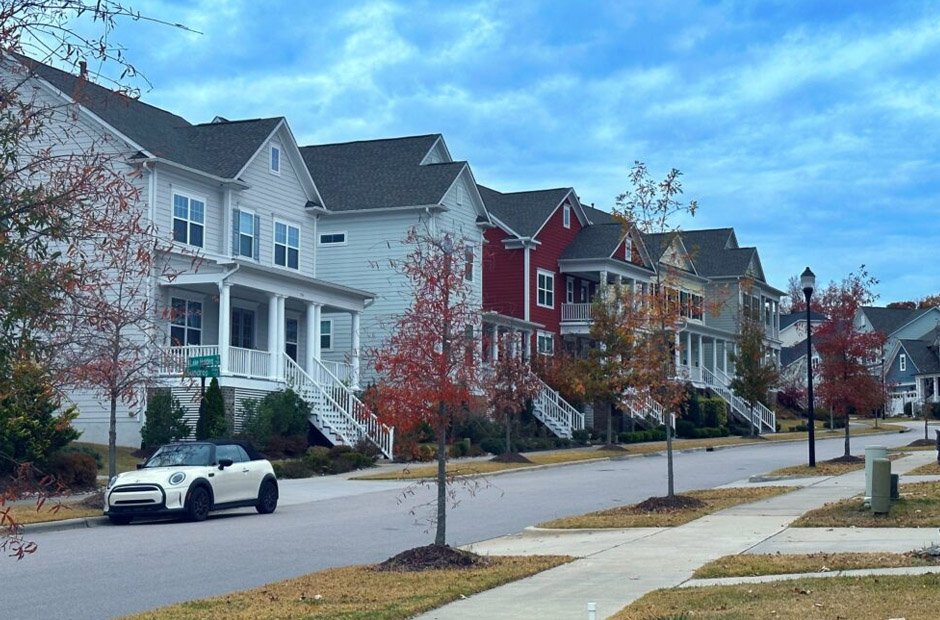
Relocating to a charming town like Wake Forest, NC, offers a unique blend of small-town warmth and convenient access to metropolitan amenities. Nestled just north of Raleigh, Wake Forest offers an inviting community atmosphere, a vibrant downtown, and scenic natural beauty. If you are looking for a seamless transition and a place that truly feels like home, Gorman Residential in Wake Forest can be your trusted resource for local insight and available homes. Moving here offers exciting opportunities and a welcoming environment for people of all ages. Before making the move, learning about Wake Forest’s neighborhoods, costs, job market, and community life is key. This guide will make your transition easier by providing practical advice and local relevance specific to Wake Forest. Residents enjoy a cozy feel with tree-lined streets, historical sites, and a calendar full of community events, making it an ideal location for families and young professionals alike.
Community connections run deep in Wake Forest. Getting to know the area before arrival, especially the school systems, amenities, and lifestyle vibes, helps make relocation smoother. Whether you’re drawn in by the town’s historical district, thriving local businesses, or proximity to abundant greenways and parks, careful planning can ensure you make the most of what Wake Forest offers. From tranquil green spaces to a bustling Main Street and easy access to Raleigh job markets, Wake Forest checks all the boxes for comfort, opportunity, and vibrant living. Planning means you will find your niche in this growing North Carolina community with ease and confidence.
Research Neighborhoods
Wake Forest offers an impressive variety of neighborhoods, each reflecting its unique character and advantages. From the historic downtown area with its lovely century-old homes and walkable amenities, to family-friendly communities like Heritage and Traditions, there is something to suit every taste. Walk or drive through neighborhoods, explore local parks like Joyner Park, and consider proximity to schools and work. New residents also love neighborhoods like St. Ives or the restful serenity of Hasentree, which offers golf course views and resort-style amenities. Finding the right fit often depends on your lifestyle priorities and long-term plans, so take time to explore and even chat with residents for insider advice.
Understand the Cost of Living
While Wake Forest is often considered more affordable than the Raleigh metro, living costs have increased as demand for homes and rentals has continued to rise. Typical expenses like rent, home prices, utilities, and groceries are generally moderate but can vary by neighborhood. Prospective residents should assess current home listings, compare school ratings, and factor in transportation costs for commutes to nearby Research Triangle Park or Raleigh. Having an up-to-date budget will help you avoid surprises. It is also critical to review property taxes and homeowners’ association fees, as they can affect overall affordability. Local real estate agents or online comparison tools can help track price changes and market trends.
Explore Employment Opportunities
Wake Forest’s convenient location near Raleigh-Durham’s Research Triangle puts residents close to a wealth of job opportunities in technology, healthcare, education, and finance. Though Wake Forest retains its small-town feel, job seekers benefit from nearby large employers like WakeMed and Rex Healthcare. The town itself features a growing entrepreneurial scene, local retailers, and educational institutions. Networking at local business events or joining the Wake Forest Chamber of Commerce can further expand your prospects by connecting you with local professionals and employers. Many new residents find work in the area through word-of-mouth referrals or connections made during community gatherings and town events.
Familiarize Yourself with Transportation Options
Wake Forest makes commuting, errands, and travel convenient, especially for drivers. Major highways connect the town to Raleigh and Durham, making daily commutes manageable for most. For public transportation, residents can use the GoRaleigh bus system, which serves downtown Raleigh and key destinations. Cycling enthusiasts will appreciate the town’s dedication to expanding bike trails and greenways. For those who prefer sustainable travel options, Wake Forest’s connectivity supports a variety of commuting preferences. Review bus routes, peak-hour drive times, and parking logistics near schools or downtown to get a complete picture of daily travel routines.
Engage with the Community
Wake Forest has a vibrant event calendar and a strong sense of community. Major gatherings such as Friday Night on White, the annual Christmas parade, and farmers’ markets foster a strong sense of belonging. Volunteering, joining interest groups, or attending recreation programs offer meaningful ways to get to know your neighbors. Local organizations and recreation centers regularly post new opportunities for involvement, so keep an eye out for newsletters or community bulletin boards. Families, professionals, and retirees all find ways to connect and contribute, enriching the town’s unique identity. Making the effort to participate in these events can help you quickly feel at home and build lasting relationships.
Prepare for the Climate
Wake Forest experiences the best of all four seasons, with warm, humid summers and mild winters. July and August can bring high temperatures and humidity, so light clothing and home cooling systems are essential. Fall and spring are especially pleasant, with milder temperatures and plenty of outdoor festivals. Occasional snow and ice can occur in winter, though the season is usually short and manageable. Be prepared for weather shifts by stocking up on summer gear, maintaining your HVAC system, and planning for a few wintery days each year. For parents, this also means staying aware of occasional weather-related school delays or closures.
Plan Your Move Strategically
The best seasons for moving to Wake Forest are spring and fall, when the weather is more accommodating and demand for moving services is slightly lower. Booking your movers in advance helps secure better rates and ensures availability. Local storage solutions and moving companies fill quickly during peak times, especially in the summer months. Additionally, connect utilities and services a couple of weeks before your arrival to avoid service gaps. Families will want to check the registration dates for local schools or daycare providers to ensure a smooth transition for their children. Planning takes the stress out of moving and allows you to enjoy the first few weeks in your new home.
Conclusion
Relocating to Wake Forest, NC, means joining a community that balances historic charm, natural beauty, and modern convenience. By researching neighborhoods, budgeting for living costs, exploring job markets, and actively participating in local life, you will settle in quickly and make the most of all Wake Forest has to offer. A thoughtful approach to moving ensures you will thrive in one of North Carolina’s most welcoming towns.