Key Takeaways
- Routine inspections and timely maintenance extend your commercial roof’s lifespan.
- Early identification of common issues, such as ponding water or membrane damage, prevents major repairs.
- Qualified contractors and a proactive approach minimize costs and business disruptions.
Maintaining a commercial roof is an important part of protecting any commercial building investment. Effective upkeep not only safeguards the structure from weather damage but also ensures a safe, healthy working environment for its occupants. Whether you are responsible for a warehouse, retail center, or large office, understanding how to properly repair and maintain your roof pays off in both longevity and reduced costs. Check this page for additional tips and solutions specific to commercial roof repair services.
The roof’s condition greatly influences maintenance expenses and building safety. By monitoring for early signs of damage and taking immediate action, building owners can prevent more severe problems. The financial impact of neglecting roof maintenance far outweighs the cost of routine inspections and repairs, and many business owners are surprised by how much more affordable proactive care can be in the long run.
Commercial roofs, regardless of material or design, are continually exposed to harsh elements and foot traffic throughout their lifetimes. Regular maintenance, cleaning, and swift response to minor concerns keep these systems working effectively. The right strategies also help maintain warranties and protect future resale value.
Common Commercial Roofing Issues
Understanding what typically goes wrong with commercial roofs is essential for preventive maintenance. Several issues routinely threaten the integrity of roof systems:
- Leaks and Moisture Intrusion:Water entering the building can rot structural supports, damage inventory, and cause mold growth, which is hazardous to occupant health.
- Ponding Water:Flat and low-sloped commercial roofs can accumulate water after storms. Left unaddressed, this can weaken roofing materials and eventually cause leaks.
- Membrane Damage:The waterproof layer, or membrane, can develop tears or punctures from debris, maintenance work, or severe weather, exposing the building interior to water and pests.
- Flashing Failures:Flashing seals the joints and edges on the roof. Damaged or loose flashing allows rainwater to penetrate, leading to costly interior repairs.
- Clogged Drains:When roof drains fill with leaves or debris, water backs up and pools on the roof. Over time, excess load stresses structural supports and accelerates wear on the roof’s surface.
Best Practices for Commercial Roof Maintenance
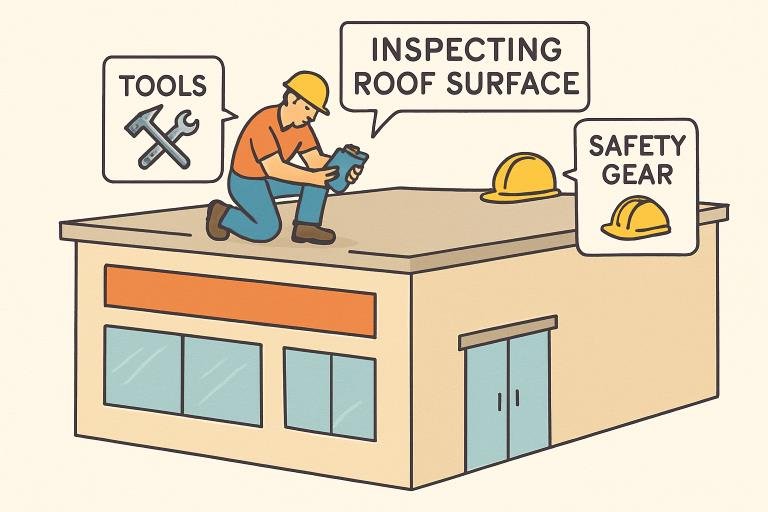
Implementing a targeted preventative maintenance plan is essential for protecting your investment in commercial roofing systems and fulfilling manufacturer warranty requirements. Key best practices include conducting regular inspections, which should be bi-annual or more frequent after severe storms, to catch potential issues early. Inspections should focus on the roof surface and areas around flashings, drains, and penetrations such as vent pipes. Maintaining a clean roof is crucial; regularly removing leaves, branches, and debris protects the membrane, helps identify damage promptly, and prevents drainage problems. Clear gutters, downspouts, and internal drains are necessary for proper drainage to avoid ponding water and minimize leak risks. Finally, timely repairs of minor damages are important, as postponing them can lead to more significant, costly issues down the line.
When to Repair vs. Replace
The decision to repair or fully replace a commercial roof is significant and depends on the following factors:
- Extent of Damage:If issues are limited and the underlying structure is sound, targeted repairs make sense. Widespread damage, such as leaks or failing seams, may warrant replacement.
- Age of Roof:Roofing materials have a service life. A roof nearing the end of its expected lifespan is more susceptible to additional problems, making replacement a wise investment.
- Cost Considerations:Calculate the long-term costs of regular repairs versus a full roof replacement. Sometimes, periodic patching becomes less economical than investing in a new roof.
Industry leaders recommend reviewing the roof’s warranty and consulting with a certified professional before making this decision. The U.S. Department of Energy provides further information on commercial roof replacement and energy-efficiency strategies to maximize your investment.
Choosing the Right Roofing Contractor
Choosing the right contractor is crucial for the success and efficiency of repairs and maintenance on commercial roofs. Key factors to consider include the contractor’s experience and credentials, such as being licensed and insured, as well as specific experience with the type of commercial roof in question. It is advisable to inquire about similar past projects to gauge their suitability. Additionally, checking client testimonials and references is important, as is verifying the contractor’s reputation on reputable review platforms to assess their quality and reliability. Lastly, ensure that the contractor provides comprehensive workmanship warranties and possesses the required commercial liability insurance to protect against any potential issues that may arise during the work.
Conclusion
Commercial roof repair and maintenance should not be left to chance. Regular inspections, early identification of common trouble spots, and experienced contractors protect your property and business continuity. By investing in informed decision-making and a culture of preventative care, building owners preserve their assets and maintain safe, dry workplaces for years to come.