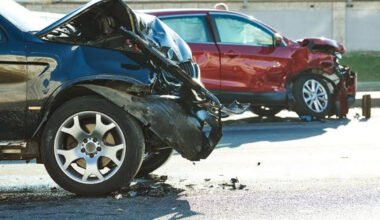
You may be dealing with more than the crash itself right now, and speaking with a pedestrian accident attorney may help you understand your options. A walk to the store, a trip across a parking lot, or a few steps through a crosswalk turned into pain, bills, missed work, and a lot of second guessing. People often want one clean answer for why a pedestrian crash happened, but the truth is harder. Most incidents come from a chain of bad choices, poor visibility, rushed driving, and streets that leave too much room for error.
The common causes of pedestrian accidents usually include distracted driving, speeding, failure to yield, impaired driving, low light conditions, unsafe backing, and poor road design. Those facts matter because the cause often shapes what evidence is needed, who may be responsible, and how a claim gets handled. If you are trying to make sense of what happened, you are not overreacting. You are trying to put order back into a day that suddenly stopped feeling normal.
Driver behavior causes many pedestrian collisions
Most pedestrian crashes begin with a driver missing what was right in front of them. A phone lights up. A turn is rushed. A driver looks for a gap in traffic and forgets to check the crosswalk. That single lapse can leave a person with broken bones, a head injury, or months of treatment.
Distracted driving stays near the top of the list. Texting, navigation screens, eating, and even hands free conversations can pull attention away long enough for a driver to miss someone crossing. According to the NHTSA pedestrian safety resources, thousands of pedestrians are killed each year in traffic crashes, and many more are injured. Those numbers are not abstract when you are the one trying to figure out how to pay for follow up care.
Speeding makes every mistake worse. A driver going too fast has less time to stop and causes more force at impact. A crash at a lower speed may still cause serious harm, but as speed rises, the chance of severe injury or death rises with it. Failure to yield is another major factor, especially at intersections, driveways, and turns where drivers focus on cars and overlook people on foot.
Impaired driving also plays a major role. Alcohol and drugs slow reaction time, reduce judgment, and make it easier for drivers to ignore signals, crosswalks, and people walking along the road. If a driver was impaired, that fact can affect both liability and the strength of an injury claim.
Road and visibility problems increase the risk of pedestrian injury accidents
Not every crash is caused by one careless driver. Some streets are built in ways that make pedestrian injury accidents more likely. Poor lighting, faded crosswalks, missing sidewalks, long crossing distances, and roads designed for speed create conditions where a simple walk becomes dangerous.
Nighttime is a common setting for serious crashes. Drivers may say they never saw the person until it was too late. Sometimes that is tied to dark clothing or weather, but often the larger issue is a road with poor lighting and fast moving traffic. The CDC pedestrian safety guidance points to risk factors such as alcohol use, lower visibility, and road environments that expose people walking to more danger.
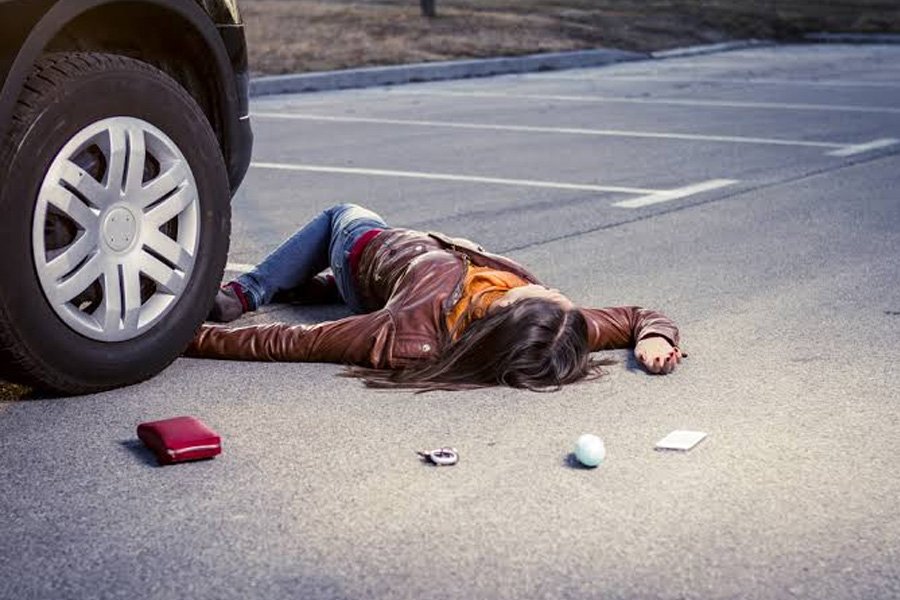
Parking lots and driveways are another overlooked problem. A driver backing out may focus on nearby cars and miss a person walking behind the vehicle. Children and older adults face even greater danger in these spaces because they may be harder to see or slower to move out of the way.
There is also the issue of shared fault. A driver may blame the pedestrian for crossing outside a marked crosswalk or stepping into traffic. That does not automatically end a claim. The details matter. Was the area poorly marked? Was the driver speeding? Was visibility limited? Was the pedestrian still visible in time to avoid the crash? These cases rarely come down to one sentence.
Patterns behind pedestrian accident causes often shape legal claims
Once you look past the shock of the collision, the practical problems start stacking up. Medical treatment can stretch for weeks or months. Work hours disappear. Insurance companies ask for statements before you have a clear picture of your injuries. If the cause of the crash is disputed, the pressure gets worse.
The NHTSA overview of pedestrian crash patterns shows that these incidents often involve repeat conditions such as turning vehicles, roadway crossings, and low visibility settings. That matters because evidence can disappear fast. Surveillance footage gets deleted. Skid marks fade. Witnesses become harder to find. A personal injury lawyer often looks at the crash report, scene photos, traffic camera footage, medical records, and witness statements to connect the cause of the crash to the harm that followed.
| Cause of Crash | How It Happens | Evidence That Often Helps |
| Distracted driving | Driver looks away from the road and misses a person crossing | Phone records, witness statements, video footage |
| Speeding | Driver cannot stop in time or hits with greater force | Crash reconstruction, skid marks, event data, witness accounts |
| Failure to yield | Driver turns or enters a crosswalk without giving the pedestrian the right of way | Traffic signals, intersection video, police report |
| Low visibility | Dark roads, poor lighting, bad weather, or blocked sight lines hide the pedestrian | Scene photos, lighting conditions, weather records |
| Backing vehicle | Driver reverses without seeing a person behind the vehicle | Parking lot cameras, vehicle damage, witness statements |
Steps to protect yourself after a pedestrian crash
Get medical care and follow through. Even if you walked away, symptoms can build later. Head injuries, soft tissue damage, and internal injuries do not always show up right away. Prompt treatment also creates a clear record linking the crash to your injuries.
Preserve every piece of evidence. Save photos, discharge papers, receipts, names of witnesses, and messages from insurers. If you can, write down what you remember before the details blur. Include where you were crossing, what the light showed, what the driver did, and what you heard after impact.
Speak with a lawyer before giving detailed statements. Insurance companies often move quickly, especially when fault is unclear. If the issue involves the causes of pedestrian accidents, early legal guidance can help you avoid saying something that gets used out of context later.
You do not need to have every answer today. You just need a clear next step and room to recover. When a pedestrian crash happens, the cause is more than a detail. It is often the key to proving what went wrong and what support you may need moving forward. If you are considering your options, speaking with a personal injury lawyer can help you understand where your case stands and what to do next.