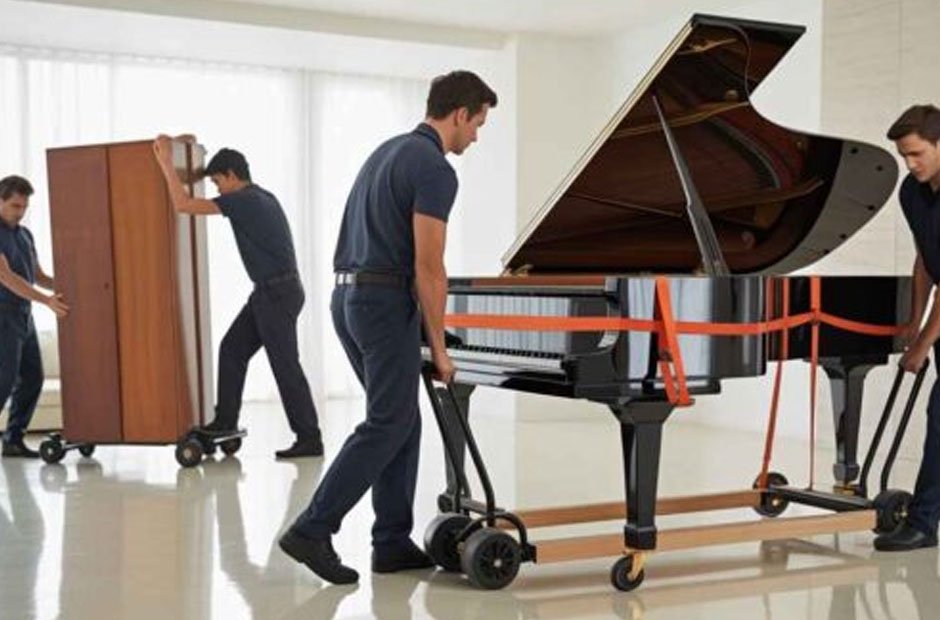
Moving a piano is a task that stands in a category of its own. Unlike relocating standard furniture, a piano move requires specialized knowledge, precise handling, and a deep respect for the instrument’s delicate mechanical and acoustic nature. A single misstep can result in costly damage, affecting its tune, structure, and value. Therefore, entrusting this job to just any moving company is a significant risk. The selection process must be deliberate, focusing on three non-negotiable pillars: proven experience, specialized equipment, and comprehensive insurance. Understanding these elements in detail will ensure your prized instrument arrives at its new destination in perfect condition.
The Critical Role of Experience
Experience is the foremost criterion when selecting a piano mover. It’s not merely about years in general moving but about specific, hands-on expertise with pianos. An experienced piano mover understands the vast differences between an upright, a grand, and a baby grand piano. They possess the nuanced knowledge of how to maneuver each type through tight spaces, down long flights of stairs, or around challenging corners without compromising the instrument’s integrity.
The benefits of choosing a team with a dedicated track record in piano moving are substantial. They can accurately assess the move in advance, identifying potential obstacles and planning the optimal path. Their skill ensures the safe disassembly of parts like the piano legs, lyre, and pedals on grand pianos when necessary. Moreover, they know how to handle the immense weight distribution—a grand piano’s weight is concentrated in its cast-iron harp—preventing damage to both the piano and your property. For such a specialized task, seeking out professional piano movers near me is not just a convenience; it’s a necessity for securing expertise that generic movers simply cannot provide.
Essential Equipment for a Safe Move
The right tools are as crucial as skilled hands. Professional piano movers invest in specialized equipment designed solely for the protection and transportation of delicate, heavy instruments. This equipment is a clear differentiator between a professional service and an amateur attempt.
Key items you should expect a qualified mover to utilize include:
The Piano Board (or Skid): A reinforced, padded board on which the piano is secured and strapped. This is the primary platform for moving the instrument.
Heavy-Duty Moving Straps: These allow movers to bear the piano’s weight securely on their backs while keeping their hands free for balance and navigation, especially on stairs.
Padded Moving Blankets and Quilted Covers: High-quality, thick blankets are used to wrap the entire piano, protecting its finish from scratches, dents, and dust.
Specialized Dollies: Not standard furniture dolls. Piano dollies have cushioned, non-marking wheels and are built to handle extreme weights with stability.
Ramps and Stair Climbers: Essential for safely navigating porches, stairs, and curbs without tilting or jarring the instrument.
A company’s commitment to using this specialized gear directly correlates to the level of care your piano will receive. It is a tangible indicator of their professionalism in the field.
The Importance of Adequate Insurance Coverage
Even with the utmost care and expertise, unforeseen accidents can occur. This makes insurance the critical safety net in your piano moving decision. Never assume a company’s insurance is sufficient; you must verify the details.
Crucial insurance aspects to confirm are:
Liability Coverage Type: Ensure they carry full-value protection or released-value coverage. Understand the compensation difference—full-value protection is far more comprehensive.
Coverage Specifics: Confirm that their policy explicitly covers pianos as specialized, high-value items. Ask for proof of insurance certificate and check the policy limits.
The Claims Process: Discuss how damage claims are handled. A reputable company will have a clear, straightforward process documented.
Moving without proper coverage leaves you fully liable for any damage. Verifying insurance is a fundamental step that provides peace of mind and financial protection. For added security, especially during complex moves or if there’s a gap before settling into your new space, exploring reputable fremont moving and storage options https://got2move.com/local/san-francisco-bay-area/fremont/ can offer a secure, climate-controlled environment for your instrument as part of a coordinated service.
Making the Final Decision
After evaluating companies on experience, equipment, and insurance, a few final checks will guide you to the best choice. This due diligence phase is your final safeguard, ensuring the company’s promises match its practical performance and reputation.
Start by conducting thorough research into their standing. Key actions include:
Analyzing Online Reviews: Scrutinize feedback on multiple platforms, paying close attention to reviews that specifically mention piano moves. Look for patterns in comments about care, punctuality, and problem-solving.
Requesting Verifiable References: A confident, experienced mover should be able to provide contact information for past clients who had similar piano relocation projects. Take the time to contact these references and ask about their firsthand experience.
Next, focus on logistics and communication. Essential steps are:
Obtaining Detailed, In-Person Estimates: Never accept a final quote given over the phone or online without an assessment. A professional estimator must visit in person to examine the piano’s type and size, evaluate access points at both locations, and identify potential challenges like stairs or narrow doorways.
Scrutinizing the Contract: Ensure the written estimate is comprehensive and includes all charges, the scope of work, insurance details, and the projected timeline. Avoid companies that are vague or pressure you to sign an incomplete agreement.
Assessing Professional Communication: Trust your instincts during all interactions. A reliable service is characterized by clear, timely answers, patience with your questions, and a transparent, courteous demeanor. Hesitation, evasion, or high-pressure tactics are significant red flags.
By methodically prioritizing these factors and completing these final verifications, you transform a potentially stressful move into a secure, seamless transition for your instrument.