Bedtime should be simple, yet many parents in Finchley, London, find themselves negotiating over a toothbrush. A tired child refuses to brush, or rushes through it in seconds. It feels like a small issue, but daily habits shape a child’s long-term oral health. Tooth decay in children often develops quietly. By the time pain appears, treatment becomes more complex and stressful.
The good news is that most dental problems in childhood can be prevented with steady routines and early guidance. Parents do not need perfect systems or strict rules. They need clear information and practical steps. This guide focuses on how families can build strong dental habits from the very beginning and avoid common mistakes along the way.
The Right Time for a First Dental Visit
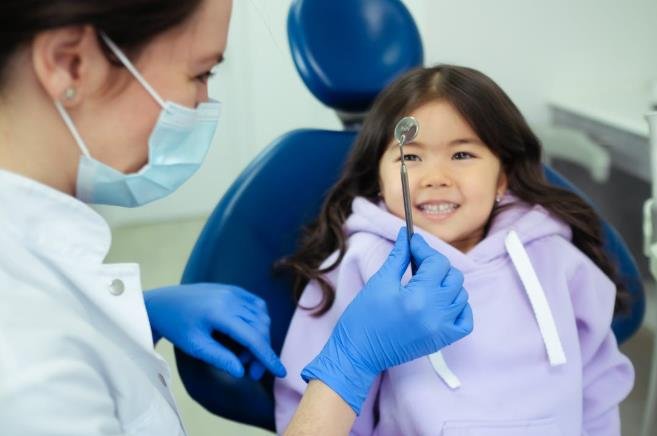
Many parents wait until their child complains of pain before booking an appointment. That often means the problem has already progressed. Children should see a dentist when their first tooth appears, or by their first birthday. Early visits focus on prevention, not treatment. The dentist checks development, looks for early signs of decay, and offers guidance on brushing and diet.
This first appointment also helps a child become familiar with the setting. When children visit regularly from a young age, they grow up seeing dental care as normal. Families seeking dental care in Finchley N3 often find that early visits reduce anxiety and build trust. Starting early gives parents a clear direction and helps avoid avoidable problems later.
Turning Brushing into a Daily Routine
Brushing should begin as soon as the first tooth appears. Parents need to guide and supervise brushing for several years, even when children want to do it alone. Young children lack the hand control to clean every surface properly. Two minutes, twice a day, makes a real difference.
Consistency matters more than creativity. Brushing at the same time each morning and evening builds a habit. Some families brush together so children can copy what they see. Others use a simple timer to make sure they brush long enough. What works best depends on the child, but skipping supervision often leads to missed areas. Clear structure and calm reminders usually work better than pressure or frustration.
Choosing the Right Tools for Small Teeth
Children need toothbrushes designed for small mouths. A soft-bristled, child-sized brush allows gentle cleaning without damaging gums. Hard bristles can cause discomfort and may lead children to resist brushing. Toothbrushes should be replaced every few months or sooner if the bristles spread out.
Fluoride toothpaste strengthens enamel and helps prevent decay, but the amount matters. For younger children, a small smear is enough. As they grow, a pea-sized amount works well. Parents should store toothpaste out of easy reach to avoid overuse. Letting children choose their own brush can help them feel involved, but parents must still check that it suits their age. The right tools make daily brushing easier and more effective.
Managing Sugar Without Making It a Battle
Sugar does not need to disappear completely, but frequency matters. Teeth face more risk when children snack on sugary foods throughout the day. Each time sugar sits on teeth, bacteria produce acids that can damage enamel. Limiting sweets to mealtimes reduces this repeated exposure.
Busy school days often mean packed lunches and quick snacks. Swapping sugary drinks for water can make a noticeable difference. Offering cheese, yoghurt, fruit, or wholegrain snacks supports oral health without feeling restrictive. Parents do not need strict bans. Instead, they need awareness and balance. Clear routines around snacks and drinks help children understand expectations without turning food into a source of conflict. Small changes in daily choices can protect teeth over time.
Early Signs You Should Not Ignore
Children rarely explain dental discomfort clearly. Instead, they may avoid certain foods or complain that something feels “funny”. Bleeding gums during brushing often signal early gum inflammation. White patches on teeth can point to early enamel damage. Persistent bad breath may also suggest that plaque has built up along the gum line.
Parents should look inside their child’s mouth regularly rather than waiting for a problem. Good lighting and a quick check can reveal changes early. Pain is not the first sign of trouble. When caught early, most issues require simple treatment. Ignoring small changes can lead to more complex care later. Acting early protects both your child’s comfort and confidence.
Protecting Teeth During Sports and Play
Children often take part in football, rugby, gymnastics and playground activities. Falls and collisions can damage teeth quickly. A custom or properly-fitted mouthguard reduces the risk of broken or knocked-out teeth during contact sports. Shop-bought guards offer some protection, but a well-fitted one feels more comfortable and stays secure.
If a permanent tooth gets knocked out, parents should act quickly. Seek urgent dental help as quick action can improve the chance of saving the tooth.
Helping Children Feel Relaxed at Appointments
Some children feel nervous before a dental visit, especially if they sense their parents’ anxiety. Parents should avoid using words that suggest pain or fear. Simple and honest explanations work best. Tell your child the dentist will count and check their teeth to keep them strong.
Regular visits from a young age help children feel familiar with the environment. Short, positive appointments build trust. Praise cooperation afterwards rather than offering large rewards. If a child remains very anxious, speak openly with the dental team. Dentists who work with children understand how to adjust their approach. Calm preparation at home and clear communication at the clinic make a real difference.
Strong dental habits begin with small daily actions. Parents can protect their children’s teeth by starting early, supervising brushing, managing sugar wisely and attending regular check-ups. Baby teeth deserve proper care because they shape future oral health. Early visits build confidence and reduce fear. Paying attention to small warning signs prevents bigger problems.
Children do not need strict rules or pressure. They need steady routines and clear guidance. When parents stay involved and lead by example, dental care becomes part of normal life rather than a source of stress. With simple steps and early support, families can help children grow up with healthy, confident smiles that last well beyond childhood.