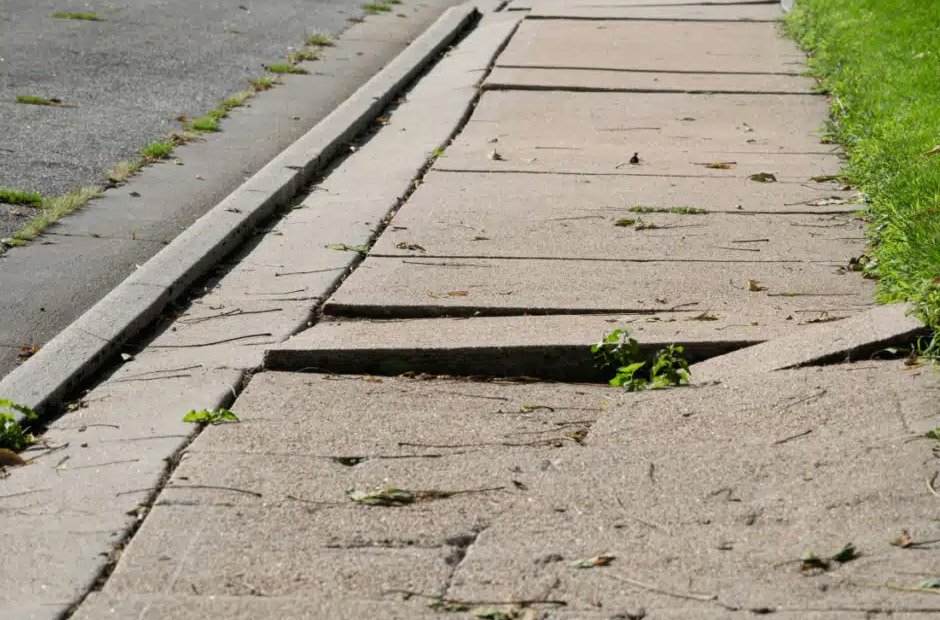
A sudden fall on a broken sidewalk can wreck your body, your work, and your peace. You may feel angry and confused. You may ask if you can sue the city for what happened. In Pennsylvania, you can hold a city or town responsible in some cases. Yet strict rules control when and how you can do that. Time limits are short. Notice rules are harsh. Evidence can vanish fast. This blog explains when a city may be at fault for a sidewalk fall, what you must prove, and what money you may claim. It also explains how city immunity laws work and when they do not apply. You will see clear steps to protect your rights after a fall. A Philadelphia slip and fall attorney can then use those steps to build a strong claim.
When Can A City Be Responsible For A Sidewalk Fall?
Pennsylvania protects cities from many lawsuits. That protection is called government immunity. Yet the law creates narrow cracks in that shield. One of those cracks covers unsafe streets and sidewalks.
You may sue a city for a sidewalk fall when all three are true:
- The sidewalk had a defect that made it unsafe.
- The city knew or should have known about the defect.
- The city had enough time to fix it or warn you and did not act.
Examples of defects include:
- Large cracks that catch your foot
- Raised slabs that form a sharp edge
- Deep holes or missing pieces of concrete
- Loose grates or broken utility covers
Small chips or hairline cracks usually are not enough. Courts often call these minor defects a normal part of city life. You must show a clear, unsafe condition.
Who Is Responsible For The Sidewalk In Front Of A Property?
Responsibility can shift between the city and the private owner next to the sidewalk. Each town sets its own rules. Some cities place most of the duty on the owner. Others keep more control over repairs.
The table below gives a basic comparison. You must check local rules for your town. Many are posted on city websites.
| Issue | City Responsibility | Adjacent Property Owner Responsibility
|
| Who installs sidewalks | Often sets standards and approves work | Often pays for and arranges installation |
| Routine maintenance | May inspect and issue repair orders | Usually must keep surface in safe condition |
| Major defects or collapse | May step in for public safety | May still pay costs if neglect caused problem |
| Snow and ice removal | Sets time limits and rules | Usually must clear within set hours |
| Who you may sue | Possible if defect fits an immunity exception | Possible for neglect of repair or snow removal |
You may have claims against both the city and the owner. You must identify each one early. That choice affects notice letters, time limits, and insurance coverage.
How Government Immunity Works In Pennsylvania
The Pennsylvania Political Subdivision Tort Claims Act sets strict rules for lawsuits against cities and towns. You can read the law on the Pennsylvania General Assembly website.
Key points include:
- You can sue only for certain types of incidents such as streets, sidewalks, and vehicles.
- You must show that the unsafe condition came from the city’s own property.
- You must prove that the city’s neglect caused your injuries.
The law also caps the total money you can recover from a city. It limits damages for pain, suffering, and other losses. These caps do not apply in the same way to private property owners.
Strict Deadlines And Notice Requirements
Time is your enemy after a sidewalk fall. Pennsylvania has two key limits.
First, the general statute of limitations for injury claims is two years from the date of the fall. If you miss that deadline, your claim usually ends. The rule appears in Pennsylvania law at 42 Pa.C.S. § 5524, which you can confirm through the official Pennsylvania code access portal.
Second, there is a much shorter notice requirement for claims against cities and towns. You usually must send a written notice within six months of the fall. The notice must include:
- Your name and contact details
- The date, time, and place of the fall
- A brief description of what happened
- A basic summary of your injuries
If you do not send this notice, the city may ask the court to throw out your claim. Courts sometimes excuse late notice for good cause. You cannot count on that. You protect yourself by acting fast.
What You Must Prove After A Sidewalk Fall
To hold a city responsible, you must prove four things.
- The sidewalk was in an unsafe condition.
- The city owned or controlled that part of the sidewalk.
- The city knew or should have known about the hazard and had time to act.
- The hazard caused your fall and your injuries.
Evidence can include:
- Photos and video of the sidewalk from different angles
- Measurements of height differences and hole depth
- Witness statements from people who saw your fall
- Records of past complaints or repair orders
- Medical records that link the fall to your injuries
Pennsylvania uses a shared fault system. If a court finds that you were partly at fault, your money award is reduced. If you are more than 50 percent at fault, you recover nothing. Careful evidence of the hazard helps guard against unfair blame.
Money You May Recover
Every case is unique. Yet common types of damages include:
- Medical bills for treatment and therapy
- Lost income if you miss work
- Future medical costs for lasting harm
- Physical pain and loss of daily joys
City immunity laws limit some of these damages. Private owners face fewer limits. When both are involved, the total recovery can come from different sources. That structure often shapes settlement talks.
Steps To Take Right After A Sidewalk Fall
Your actions in the first hours and days can protect your claim.
- Call for medical help and follow treatment plans.
- Take clear photos of the defect before repairs.
- Get names and contacts of witnesses.
- Keep the shoes and clothing you wore in a safe place.
- Write down how the fall happened while your memory is fresh.
- Report the fall to the city or property owner.
Then you can speak with a trusted legal guide. Early advice can help you send the six month notice on time, secure records, and avoid common mistakes in talks with insurance adjusters or city staff.
Closing Thoughts
A sidewalk fall in Pennsylvania can change your life in one silent step. The law gives you a path to hold a city or town responsible, but that path is narrow and steep. You do not need to face it alone. Steady action, clear proof, and timely notice can give you a fair chance at justice and relief for your family.