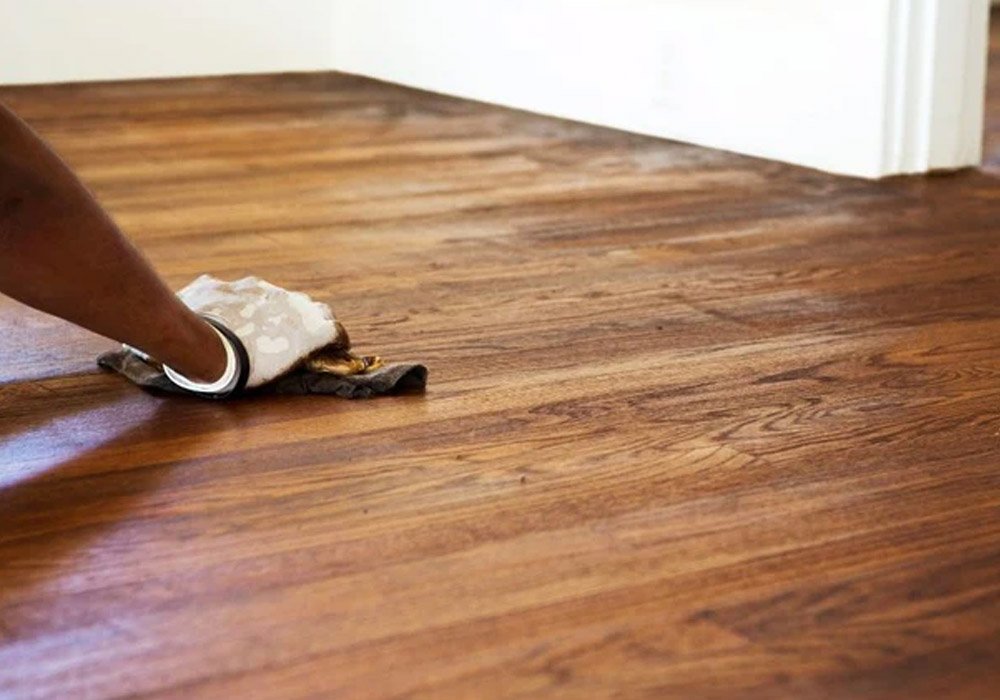
Replacing a floor can change the entire feel of a home. It can also cost enough to make any homeowner stop and ask a practical question: Will hardwood flooring actually increase the value of my home?
In many cases, it can. Buyers tend to view hardwood as a lasting feature rather than a temporary surface. It can improve a home’s first impression, make the interior feel more cohesive, and reduce the number of updates a buyer expects to make after moving in.
Still, hardwood does not add the same amount of value to every property. The result depends on the home, the local market, the condition of the current floors, and the quality of the new installation. Sometimes installing new wood makes sense. In other homes, refinishing the hardwood that is already there provides the better return. Learn more in this article provided by Flooring Titan.
Why hardwood flooring appeals to homebuyers
Flooring covers more visual space than almost any other finish inside a home. Buyers may not know the name of a wall color or the material used for a countertop, but they notice the floors as soon as they walk through the door.
Hardwood creates a warm, finished look that works with many architectural and decorating styles. A future owner can change the furniture, paint, and lighting without needing to replace the floor. That flexibility gives wood a broad appeal that highly specific materials or colors may not have.
Continuous hardwood can also help connected rooms feel larger and more unified. When an entryway, living room, dining area, and hallway share the same floor, the eye moves through the space without interruption. Buyers often read that visual consistency as a sign that the home has received thoughtful updates.
The opposite can happen when every room has a different surface. A patchwork of carpet, tile, laminate, and wood may make the house feel dated even when each material remains usable. Buyers begin adding replacement costs in their heads, and that can influence how much they feel comfortable offering.
What the remodeling research actually says
Research supports the idea that homeowners value wood flooring, but it also shows why sellers should avoid treating any national return-on-investment figure as a guarantee.
The National Association of Realtors’ 2025 Remodeling Impact Report gave new wood flooring a Joy Score of 9.1 out of 10. The score reflects how happy and satisfied homeowners felt after completing a project. The same report found that 46% of buyers had become less willing to compromise on a home’s condition, which helps explain why finished, move-in-ready surfaces matter.
An earlier 2022 report from the National Association of Realtors estimated 118% cost recovery for new wood flooring and 147% for hardwood refinishing. Those numbers attracted plenty of attention, but they need context. Remodeling professionals supplied the project-cost estimates, while Realtors estimated how much value the projects would add at resale. The figures describe national survey estimates from that report, not a promised return for an individual home.
The newer 2025 report does not publish an updated nationwide cost-recovery percentage for wood flooring. That does not mean hardwood stopped adding value. It means homeowners should use the older percentages as evidence of wood flooring’s potential, not as a calculator for a future sale price.
Added value is not always a separate dollar amount
Hardwood can help a home financially in more than one way. It may contribute to a higher sale price, but it can also make the property easier to market.
Buyers often compare homes within a narrow price range. If two homes have similar locations, layouts, and square footage, attractive hardwood floors may help one feel better maintained and more complete. That impression can lead to stronger interest, fewer objections, or a cleaner offer.
An appraiser will not simply add the flooring invoice to the home’s value. Appraisers consider the property as a whole and look at comparable sales in the local market. Fannie Mae’s appraisal guidance instructs appraisers to evaluate a home’s overall condition and quality, including its improvements. In practical terms, the floor contributes as part of the home’s complete condition rather than as an isolated upgrade with a fixed value.
This distinction matters. A $25,000 floor does not automatically raise an appraisal by $25,000. However, an appropriate, well-installed hardwood floor can help the home compete with nearby properties that buyers already expect to have similar finishes.
Refinishing may offer more value than replacing
Before shopping for new flooring, find out what you already have. Older homes sometimes hide solid hardwood beneath carpet or other materials. If the boards remain structurally sound, refinishing them may restore the character of the home for much less than a full replacement.
Refinishing works especially well when the floor looks tired but still has a solid foundation. Sanding and applying a new finish can update the color, remove years of visible wear, and create a cleaner surface without paying for new wood throughout the room.
New flooring makes more sense when the existing boards have extensive water damage, major movement, too many incompatible repairs, or a layout that cannot transition well into remodeled spaces. A flooring professional can inspect the boards, measure their remaining thickness, and explain whether another refinishing cycle makes sense.
For a homeowner preparing to sell, that inspection can prevent unnecessary spending. Restoring an original floor may deliver the look buyers want while keeping the project budget under control.
Where hardwood tends to make the biggest difference
Hardwood usually has its strongest visual impact in the entryway and main living areas. These spaces shape the buyer’s first impression and appear most often in listing photos. Extending the same material through the living room, dining room, kitchen, and nearby halls can make the home feel intentional and connected.
Bedrooms allow more flexibility. Some buyers still like carpet there for softness and sound control, so replacing good bedroom flooring solely for resale may not provide the same benefit as updating the main floor.
The home’s price range and neighborhood also matter. In an area where comparable homes commonly have real wood flooring, buyers may consider it an expected feature. A home without it could feel less competitive. In a market where hardwood remains uncommon, it may help the property stand out, but an expensive custom installation could exceed what local buyers will pay for.
This is why local comparisons matter more than broad national claims. A real estate agent who regularly sells homes in the neighborhood can show you which flooring appears in recent comparable sales and whether buyers respond to it.
The right hardwood choice matters
Installing hardwood for resale does not mean choosing the most expensive species in the showroom. Broad appeal usually matters more than exclusivity.
Oak remains popular because its grain has character without dominating the room. Natural and medium wood tones also work with a wide range of cabinets, paint colors, and furniture. Very gray, orange, red, or nearly black finishes may suit a particular design, but they can narrow the group of buyers who immediately connect with the space.
Plank width deserves the same kind of restraint. Wider boards can give a home a clean, updated look, while narrower boards may fit the scale and history of an older property more naturally. The best choice should feel like it belongs in the house.
Both solid and engineered hardwood can add appeal when the product suits the space and the installation meets professional standards. Solid wood offers generous refinishing potential. Quality engineered hardwood uses a real wood surface and can perform well over concrete slabs or in locations where dimensional stability matters. Buyers may care less about the construction method than they do about the floor’s appearance, feel, and overall quality.
Installation quality can protect or reduce the investment
Even beautiful wood will not help a home’s value if the floor has visible gaps, uneven transitions, loose boards, or an inconsistent finish. Buyers notice workmanship problems, and a home inspector may raise concerns when those problems suggest moisture or subfloor issues.
Good installation begins before the first board goes down. The installer needs to assess the subfloor, moisture conditions, room transitions, and expansion requirements. The floor also needs time to adjust to the environment when the product and installation method call for it.
These details may not look exciting in a remodeling plan, but they determine whether the finished floor feels solid and performs as expected. Professional work protects both the appearance of the floor and the money invested in it.
When hardwood may not provide the return you expect
Hardwood is not automatically the right pre-sale project for every home. If the existing flooring looks good and matches the home’s price range, replacing it may create a large expense without changing what buyers will pay.
Timing also matters. A homeowner who plans to stay for several years can enjoy the floor while it contributes to the home’s future appeal. Someone listing next month has less room for an expensive or complicated project, especially if local buyers focus more on the kitchen, roof, windows, or other high-priority concerns.
Moisture-prone rooms and below-grade spaces need extra care as well. Forcing solid hardwood into an unsuitable environment can create problems that erase any resale benefit. The flooring material should fit the conditions of the room, not just the look the homeowner wants.
Finally, avoid over-improving the property. Rare wood species, complex borders, or highly customized patterns may look impressive, but buyers do not always pay extra for personal design choices. A durable floor that complements the home usually makes a wiser investment than the most elaborate option available.
How to make a smart decision for your home
Start with the current floor. Ask a hardwood professional whether repair or refinishing can restore it before assuming it needs replacement. A good inspection can reveal options that are difficult to see from the surface.
Then look at nearby homes in the same price range. Pay attention to recent sales, not only active listings. If most comparable homes feature hardwood in the main living areas, adding or restoring wood may help your property meet buyer expectations.
It also helps to separate the value you will enjoy from the value you hope to recover later. If you plan to live in the home for years, comfort, appearance, and long-term use all count. If you plan to sell soon, focus more narrowly on condition, broad buyer appeal, and project cost.
So, can hardwood flooring increase your home’s value?
Yes, hardwood flooring can increase a home’s value and make it more attractive to buyers. It works best when the material fits the property, the design appeals to a broad audience, and an experienced professional handles the installation or refinishing.
The strongest financial opportunity may already exist under your feet. If your home has restorable hardwood, refinishing it can create a dramatic improvement without the cost of starting over. If you need a new floor, choosing a timeless product and installing it well can strengthen the home’s appearance for years before it ever reaches the market.
Think of hardwood as part of the home’s overall presentation, not a guaranteed dollar-for-dollar investment. Done thoughtfully, it can improve daily life now and give future buyers one more reason to value the home when it is time to sell.
Article by: https://flooringtitan.com/