Introduction
Making the switch from a traditional water heater to a tankless model is a growing trend among homeowners seeking reliable and cost-effective hot water solutions. Tankless systems, sometimes referred to as on-demand heaters, heat water instantly as needed, eliminating the standby energy losses associated with conventional tank systems. For residents interested specifically in Navien tankless water heater installation, understanding the core advantages and potential considerations is crucial before investing in this technology.
The appeal of tankless water heaters largely centers around efficiency and convenience. By generating hot water only when a tap is opened, these units can minimize wasted energy and provide longer-lasting performance in many households. However, there are also specific factors—such as upfront costs and maintenance—that require careful deliberation to ensure the system is a smart long-term fit for your needs.
Advantages of Tankless Water Heaters
Energy Efficiency and Cost Savings
One of the most compelling attributes of tankless water heaters is their superior energy efficiency compared to traditional tank systems. Standard storage heaters repeatedly heat and store water, resulting in “standby losses,” where energy is continually consumed to maintain the water at a temperature, even when it is not in use. In contrast, tankless models heat water only when a hot water tap is opened, greatly reducing unnecessary energy usage.
According to the U.S. Department of Energy, tankless water heaters can be up to 34% more energy-efficient for homes that use 41 gallons or less of hot water per day. This efficiency leads to lower monthly utility bills, making tankless systems a sensible long-term investment, especially in homes with moderate hot water consumption.
Space-Saving Design
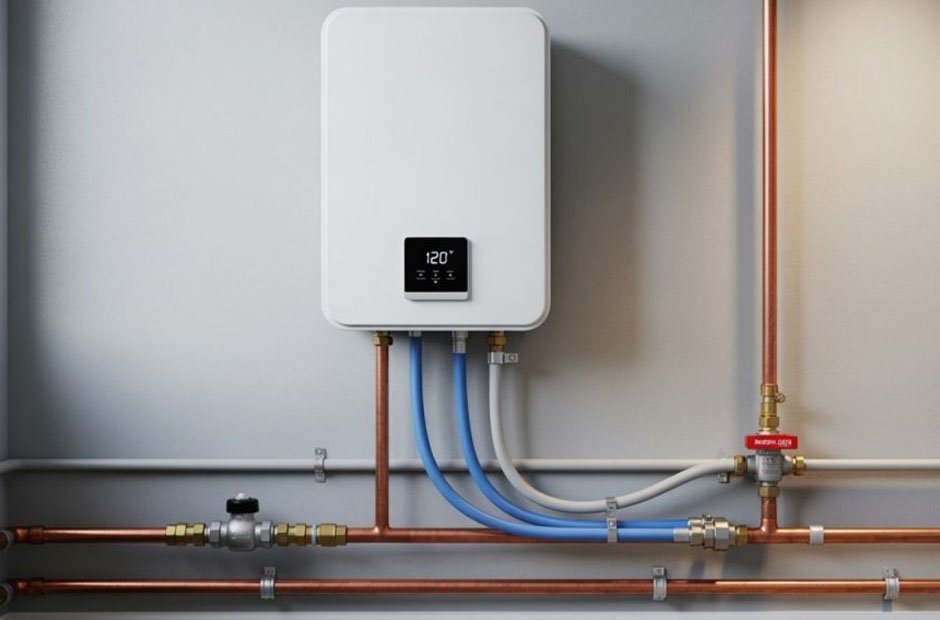
Tankless water heaters are renowned for their compact, wall-mounted designs, which significantly free up valuable floor space. Unlike bulky storage tanks that can occupy considerable space in basements or closets, tankless units offer versatile installation options, allowing for placement in smaller spaces, under cabinets, or even in exterior locations, depending on the model specifications. Homeowners looking to take full advantage of this flexibility often rely on a skilled plumber Westport to ensure proper installation and optimal performance, especially in condominiums or properties where every square foot counts.
Continuous Hot Water Supply
One notable advantage for larger families or high-demand households is the ability of tankless water heaters to deliver endless hot water on demand. Since these systems heat water as you use it, you’re less likely to experience cold showers or wait times, even when multiple appliances, such as dishwashers and showers, are in use. This is especially valuable for households with varying schedules or simultaneous hot water needs.
Longevity and Durability
With regular maintenance, tankless water heaters often outlast their tank-style counterparts, with average lifespans of up to 20 years or more. Traditional models typically require replacement every 10 to 15 years. The longer system lifespan and fewer parts susceptible to rust and corrosion can further enhance your return on investment and reduce long-term operating costs.
Considerations Before Installation
Higher Initial Investment
While tankless water heaters offer appealing long-term savings, they come with higher up-front installation costs than traditional storage heaters. Upgrading may require changes to existing plumbing, electrical wiring, or gas lines to adequately support a tankless model. Homeowners should factor in both purchase and installation expenses when considering a tankless system—and weigh these against the expected savings and benefits realized over its operational life.
Flow Rate Limitations
Tankless water heaters, despite offering continuous hot water, have a defined maximum flow rate, meaning there’s a limit to the amount of hot water that can be provided at once. If you run several showers and appliances simultaneously, some systems may struggle to meet demand, resulting in lukewarm water. Choosing a model with sufficient capacity, based on your home’s peak usage, is crucial to avoiding this issue. Consulting a plumbing expert can ensure you size your unit correctly.
Maintenance Requirements
Routine maintenance is crucial for ensuring optimal performance and extending the life of your tankless heater. Limescale and mineral buildup, particularly in areas with hard water, can impact efficiency and lead to premature wear on internal components. Most manufacturers recommend flushing your system periodically and cleaning any in-line water filters. Neglecting maintenance can lead to reduced energy efficiency and costly repairs.
Environmental Impact
Embracing tankless technology can help reduce your household’s carbon footprint due to the system’s energy-saving design. By significantly lowering energy consumption and eliminating unnecessary heating cycles, tankless heaters help conserve natural resources and reduce greenhouse gas emissions. Many modern units also feature recyclable components and minimal standby waste, making them compatible with environmentally sustainable living habits.
Final Thoughts
Installing a tankless water heater can provide lasting energy savings, increased efficiency, and an uninterrupted supply of hot water for a wide range of household needs. Despite the notable up-front investment and occasional flow rate restrictions, the long-term benefits and reduced environmental impact make these systems a worthy consideration for modern homes. Proper unit selection, professional installation, and regular maintenance will help ensure your tankless system delivers on its promise of comfort and efficiency year after year.