Key Takeaways
- Meal planning works best when it reflects a household’s actual schedule, budget, preferences, and energy level.
- A simple meal formula can make balanced breakfasts, lunches, and dinners easier to assemble.
- Using the same ingredients in more than one meal can simplify shopping and help reduce food waste.
- Flexible plans leave room for leftovers, changing schedules, and easy backup meals.
- Safe storage and intentional leftover nights are important parts of a useful weekly routine.
- Starting with a short, repeatable plan is often more sustainable than trying to follow a detailed menu every day.
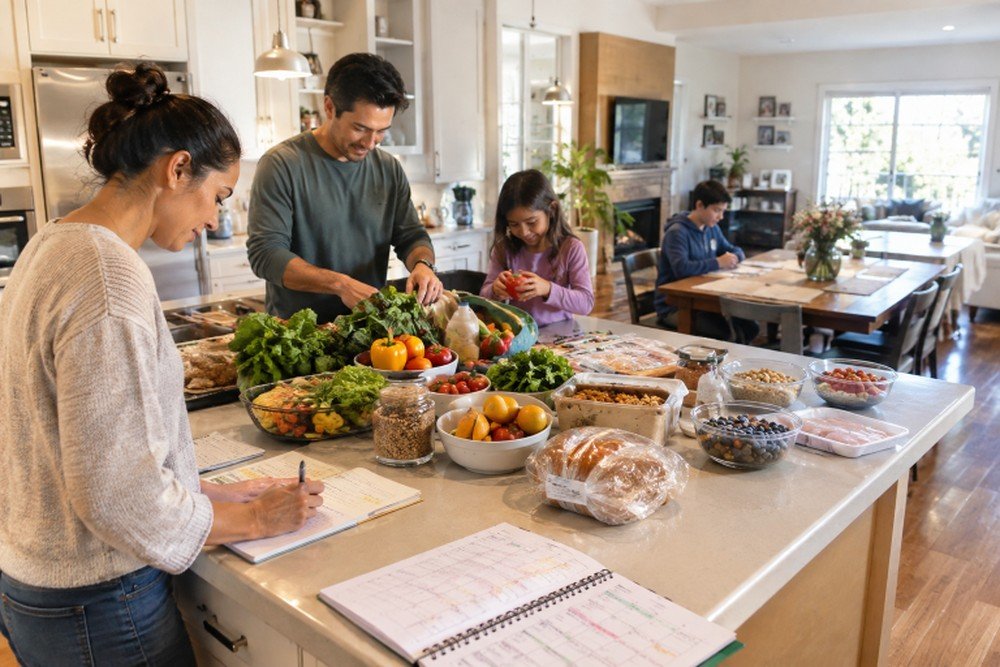
Meal planning does not have to mean preparing every meal days in advance or following a rigid menu. For busy households, it is simply a practical way to decide what food is needed, choose realistic meals, and reduce the daily question of what to make for dinner. Shopping at a full-service butcher and bakery can also make it easier to pick up proteins, pantry basics, and meal components in one stop.
The most sustainable plan is one that fits real life. A household with late practices, changing work shifts, picky eaters, or limited cooking time needs options that are easy to rearrange, simplify, or replace when the week gets busy. In many cases, a written list on the refrigerator, a notes app, or a simple calendar is enough to keep the plan visible to everyone who shops or cooks.
Why Meal Planning Helps Busy Households
A short weekly plan can reduce decision fatigue because the main meals are already chosen before the busiest part of the day begins. It also gives shoppers a reason to buy ingredients with purpose rather than filling the cart with foods that may not be used together. Even choosing only dinners can create a useful structure, particularly for households that prefer more flexibility at breakfast and lunch.
Planning can help you stick to a tighter grocery budget by limiting duplicate purchases and making leftovers part of the plan. It can also reduce food waste, especially when households check the refrigerator, freezer, and pantry before creating a new list. The steps for reducing wasted food at home from the Environmental Protection Agency include planning meals, buying only what can be used, and storing food properly.
How To Set Up A Simple Weekly System
A useful planning session can often be completed in 20 to 30 minutes. Pick a consistent time, such as Friday evening or Sunday morning, and use the same short process each week. Keeping favorite meals, reliable recipes, and common pantry staples in one place can make this task faster over time.
- Check the calendar. Identify late workdays, appointments, school activities, and evenings when cooking time will be limited.
- Review food already available. Look for produce that should be used soon, frozen proteins, canned goods, and leftovers.
- Choose about five main meals. Keep one or two evenings open for leftovers, dining out, or schedule changes.
- Match effort to the day. Put quick meals on busy nights and save longer recipes for calmer days.
- Create one organized list. Group items by produce, protein, dairy, frozen foods, and pantry staples.
It can also help to note which meals use ingredients that need to be eaten first. For example, a meal using fresh fish, tender greens, or ripe berries may make more sense early in the week, while frozen ingredients, canned goods, and shelf-stable staples can wait.
How To Build Balanced Meals
Complicated recipes are optional. A dependable formula- protein plus produce plus a grain or starch plus flavor- can help households create many different meals from familiar ingredients.
- Protein: Eggs, chicken, fish, beans, lentils, tofu, yogurt, nuts, or seeds.
- Produce: Fresh, frozen, canned, or dried fruits and vegetables.
- Grain or starch: Oats, rice, potatoes, pasta, tortillas, bread, or quinoa.
- Flavor: Herbs, spices, garlic, citrus, salsa, vinegar, or a simple sauce.
This approach aligns with healthy eating guidance that emphasizes a variety of foods, including fruits, vegetables, whole grains, protein foods, and dairy or fortified alternatives. It is adaptable for breakfast, lunch, and dinner without requiring perfection at every meal.
Portions and ingredient choices can be adjusted for individual needs, cultural preferences, allergies, and dietary restrictions. The goal is not to make every plate look identical; it is to create meals that are satisfying, practical, and varied enough to support a household’s routine.
Sample Meal Combinations
- Roasted chicken, potatoes, green beans, and lemon.
- Black bean bowls with rice, corn, tomatoes, and avocado.
- Greek yogurt with fruit, oats, and seeds.
- Whole-grain wraps with tuna, lettuce, cucumber, and yogurt dressing.
- Eggs, sautéed vegetables, and toast for a quick dinner.
How To Shop With Less Stress
Start every grocery list with an inventory. Then choose ingredients that can appear in at least two meals. For example, cooked chicken can be used for grain bowls early in the week and wraps or soup later. Spinach can work in omelets, pasta, salads, and smoothies. Rice can be a side dish, a stir-fry base, or a burrito bowl ingredient.
Frozen vegetables and fruit can be practical choices when fresh produce may not be used quickly. Canned beans, tomatoes, tuna, and broth also provide convenient building blocks for fast meals. Buying larger packages can be useful when a household has a clear plan to cook, freeze, or share the food before quality declines. Store brands and less-processed ingredients may also offer value when they fit the planned meals and the household will use them.
Ways To Save Time During The Week
Meal preparation does not need to take up an entire weekend. Small steps after shopping can remove friction from weeknight cooking. Preparing only one or two components, rather than complete meals, can still make a noticeable difference when time is limited.
- Wash and cut sturdy produce for snacks, salads, and sheet-pan meals.
- Cook a batch of rice, grains, beans, or potatoes for multiple meals.
- Prepare one versatile protein, such as roasted chicken or baked tofu.
- Keep no-cook foods available, including yogurt, fruit, canned fish, hummus, and whole-grain crackers.
- Use sheet-pan, skillet, slow-cooker, and one-pot meals to reduce cleanup.
- Prepare simple breakfasts ahead, such as overnight oats or hard-cooked eggs.
How To Plan Around Leftovers
Leftovers are more useful when they are planned rather than accidental. Cook enough for one additional meal, store the food in clear containers, and label it with the date. A designated leftover night near the end of the week helps make sure prepared food is seen and used.
Change the format to keep meals interesting. Roasted vegetables can become a breakfast hash or grain bowl topping. Cooked rice can be used in fried rice or soup. Extra beans work in quesadillas, salads, chili, or mashed spreads. Cooked poultry can be used in sandwiches, wraps, salads, or noodle dishes. Keeping portions separate when possible can also make it easier to create a different meal instead of serving the same plate again.
Food Safety And Storage Basics
Safe handling should be built into every meal planning routine. Refrigerate perishable groceries promptly, keep raw meat separate from ready-to-eat foods, and use clean utensils when serving stored food. Divide cooked food into shallow containers so it can cool more quickly before refrigeration.
When reheating or serving leftovers, check their appearance, smell, and storage history. When there is uncertainty about whether food has been stored safely, it is better to discard it than take a risk. Labeling containers also makes it easier to follow the household’s rotation system and avoid leaving prepared food forgotten at the back of the refrigerator.
How To Keep The Plan Flexible
A plan should guide the week, not control it. Meal themes make it easier to swap recipes without wasting ingredients. Consider using quick skillet night, soup night, build-your-own bowl night, meatless night, and leftover or pantry night as flexible placeholders.
Keep two emergency meals available for especially demanding days. Examples include pasta with sauce and canned beans, frozen vegetables with eggs, and soup with sandwiches. These meals help households avoid treating an unexpected schedule change as a planning failure. If a planned meal is skipped, move it to another night when its ingredients can still be used safely, or freeze a component for later.
Common Questions About Meal Planning
How Many Meals Should A Household Plan Each Week?
Five main meals is a practical starting point for many households. The remaining nights can cover leftovers, social plans, simple pantry meals, or meals away from home.
Is Meal Prep The Same As Meal Planning?
No. Meal planning is deciding what to eat and what to buy. Meal prep is preparing ingredients or complete meals in advance. A household can use one method or combine both.
What If Family Members Want Different Foods?
Build-your-own meals can help. Tacos, grain bowls, baked potatoes, salads, and pasta bars allow everyone to choose toppings while the household prepares one central meal.
Final Thoughts
A successful meal planning system should make everyday life easier, not add pressure. A quick calendar check, a focused shopping list, shared ingredients, planned leftovers, and a few flexible backup meals can help busy households eat well while spending less time deciding what comes next. As schedules, seasons, and preferences change, the plan can change too; consistency matters more than following a perfect menu.