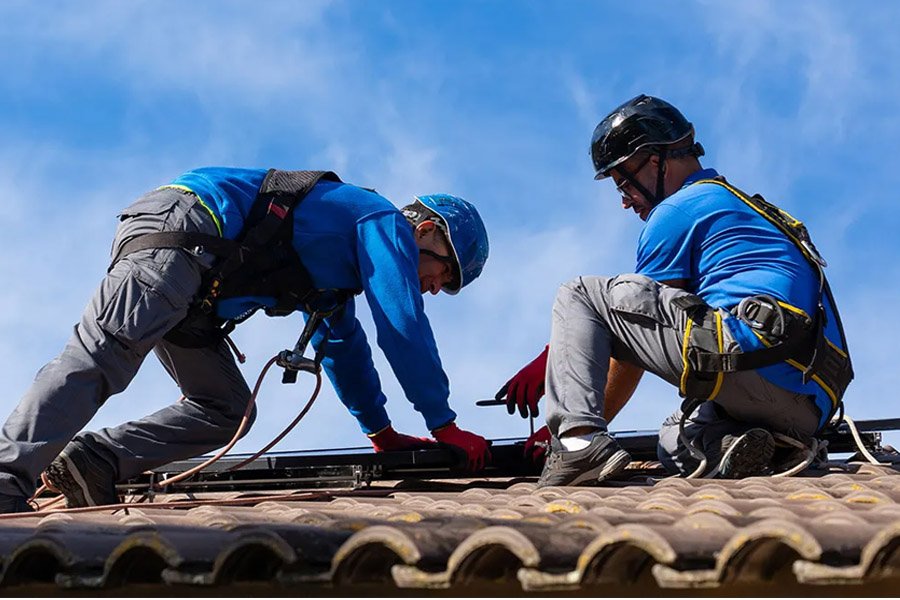
Your home’s roofline is very important. It is not just for looks. It protects your home from water and weather. This guide will help you understand its parts. You will learn about maintenance and common problems.
We will cover roofline shapes and overhangs. We will also talk about drip edges and gutters. Keeping these areas in good shape is key. It prevents costly repairs later. Many issues are found during seasonal tasks. For example, some find problems when setting up Christmas light installation services.
Understanding the Function and Design of the Roofline
Your home’s roofline is very important. It is not just for looks. It protects your home from water and weather. This guide will help you understand its parts. You will learn about maintenance and common problems. It prevents costly repairs later. Many issues are found during seasonal tasks. For example, some find problems when setting up Christmas light installation services.
Common Roofline Shapes and Their Impact
Homes have different roofline shapes. A simple boxed eave is very common. It has a horizontal soffit and fascia. A hip roof has eaves on all sides. This can change how you maintain it. The shape affects water runoff. Steep pitches shed water quickly. Low slopes need more attention. Your roofline’s design impacts gutter placement.
The Roof Overhang’s Crucial Role
It provides shade for your home. It also protects windows and doors from rain. This helps with energy efficiency. A good overhang stops water from damaging siding. They work together to ventilate your attic. They also support the gutters. Good ventilation here prevents ice dams. Proper maintenance keeps your roof structure strong.
Why Drip Edge Inspections Are Non-Negotiable
A drip edge is a metal strip. It is installed along the roof’s edge. Its job is to direct water into the gutters. It stops water from getting under your shingles. A missing drip edge causes rot. It can damage your roof deck. Copper gutters are a beautiful upgrade. They also last a long time.
Maintaining Gutter Health for Home Defense
Your roofline is made up of gutters. Rainwater is extracted from the roof. After that, they divert it from your home. Multiple difficulties can result from clogged gutters. Overruns of water can harm your foundation. It might harm your gardens. Spring and fall are good times to clean your gutters. This is an extremely essential task.
Seasonal Maintenance Checklist for Your Roofline
Spring:
- Check for damage from winter storms
- clear spring trash from gutters.
Summer:
- To keep the attic cool, make sure the soffit ventilation is unhindered.
Fall:
- After leaves have fallen, thoroughly clean all gutters and downspouts.
Winter:
- Watch for the building of ice dams
- Clear more snow safely.
Professionals solve Problems
Trained eyes see things homeowners miss. They know where to look for rot. They check for subtle signs of water damage. This expertise is very valuable.
For instance, contractors on your roof for Christmas light installation services have a clear view. They can see sagging gutters that you cannot see from the ground. They notice cracked fascia boards. This early warning can save you money.
Key Signs of Roofline Damage
These are some signs that show your roofline is damaged:
- Peeling Paint:
- Visible Stains:
- Sagging Gutters:
- Nests or Bugs:
- High Energy Bills:
Conclusion
A professional roofer gives a full assessment. They check the entire system. They see how the drip edge, gutters, and fascia work together. This holistic view is best.
Many people get an assessment when scheduling other work. For example, when booking Christmas light installation services, ask the crew to note any roofline concerns. This gives you a free inspection.