Balancing Learning Support in Modern Parenting and Family Lifestyle
Navigating the educational journey for an autistic child requires a thoughtful integration of home life and school support. As parents, we often find ourselves adapting our daily routines and family lifestyles to create an environment where our children can thrive. This involves everything from establishing predictable schedules to utilizing specific tools that aid learning and emotional regulation.
Implementing structured daily routines and visual schedules can significantly reduce anxiety and enhance independence for autistic learners. These tools provide predictability, which is crucial for many autistic individuals. We can also integrate homework tools that cater to specific learning styles, such as sensory-friendly materials or assistive technology. For more insights on how to incorporate these and other essential learning disability aids into your family’s approach, consider exploring practical parenting advice that can guide you in creating an optimal learning environment.
Adapting the Parenting and Family Lifestyle for Neurodiverse Needs
Understanding and accommodating neurodiverse needs at home is foundational to effective autism learning support. Every autistic individual has a unique sensory profile, and creating quiet spaces or sensory-friendly zones can be paramount. These spaces, equipped with dim lighting, noise-canceling headphones, or comforting textures, allow for self-regulation and prevent sensory overload. Approaches like “low arousal” and “coregulation” emphasize creating calm, predictable environments and using gentle, supportive interactions to manage emotional regulation without escalating distress. Embracing stimming (self-stimulatory behaviors) as a coping mechanism, rather than suppressing it, fosters acceptance and allows children to regulate their own sensory input. As the “Embracing Diversity” handbook suggests, a neurodiversity-affirmative perspective respects these differences as neutral biological variations, moving away from pathologizing language.
Creating Inclusive Home Study Environments
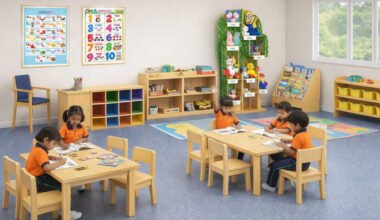
An inclusive home study environment should proactively address potential barriers to learning. This includes leveraging assistive tools, such as Augmentative and Alternative Communication (AAC) devices for non-speaking children, or visual timers to help with task management. Deep pressure tools like weighted blankets or vests can provide calming sensory input, improving focus. When designing these spaces, we consider reducing cognitive load by minimizing distractions and presenting information clearly and concisely.
Here’s a comparison of common sensory accommodations that can be integrated into home learning environments:
| Sensory Aspect | Accommodation Strategy | Purpose |
|---|---|---|
| Lighting | Dimmer switches, natural light, task lighting | Reduce visual overstimulation, improve focus |
| Noise | Noise-canceling headphones, white noise machine | Block distracting sounds, create calm |
| Movement | Fidget tools, wobble cushions, movement breaks | Provide sensory input, allow for self-regulation |
| Tools | Weighted blankets, sensory bins, visual schedules | Calming, engaging, provide predictability |
Navigating Educational Frameworks and School Collaboration
Effective autism learning support extends beyond the home and into the school environment, necessitating strong partnerships between parents and educators. This multidisciplinary approach, often recommended by health services like the NHS, involves collaboration with teachers, special education coordinators, therapists, and local autism teams. Regular communication and progress tracking are essential for ensuring that the support provided is consistent and tailored to the child’s evolving needs. Parents play a crucial role as advocates, ensuring their child’s rights and needs are met within the educational system.
Deciding Between IEPs and Section 504 Plans
In the United States, two primary legal frameworks, the Individualized Education Program (IEP) and the 504 Plan, exist to support students with disabilities, including autism. Understanding their differences is key to advocating for appropriate services. An IEP, governed by the Individuals with Disabilities Education Act (IDEA), is a legal document for students requiring specialized instruction and related services due to a disability that impacts their educational performance. It guarantees a Free Appropriate Public Education (FAPE). A 504 Plan, under Section 504 of the Rehabilitation Act, provides accommodations to ensure equal access to education for students with disabilities who do not require specialized instruction but still need support to learn alongside their peers.
Here’s a comparison of IEPs and 504 Plans:
| Feature | Individualized Education Program (IEP) | Section 504 Plan |
|---|---|---|
| Legal Basis | Individuals with Disabilities Education Act (IDEA) | Section 504 of the Rehabilitation Act of 1973 |
| Eligibility | Disability must adversely affect educational performance and require specialized instruction. | Disability must substantially limit one or more major life activities (e.g., learning, walking). |
| Focus | Specialized instruction, related services, academic and functional goals. | Accommodations to ensure equal access to general education. |
| Services | Comprehensive package of services, including therapy, academic support. | Modifications to the learning environment, assistive technology, etc. |
| Review Cycle | Annually reviewed, re-evaluated at least every three years. | Periodically reviewed, no specific timeline mandated. |
A medical diagnosis of autism does not automatically qualify a child for an IEP; the school must conduct its own evaluation to determine educational eligibility.
Evidence-Based Academic Scaffolding at Home
Scaffolding, the process of providing temporary support to help a learner master a new skill, is a cornerstone of effective autism learning support. Integrated Strategy Instruction (ISI), for instance, has shown statistically significant gains in both academic outcomes and psychological well-being for autistic children. ISI combines visual scaffolding, metacognitive training, and executive-function support.
When implementing scaffolding at home, we aim for prompt fading—gradually reducing prompts and cues as the child gains competence—to foster independence. This contrasts with over-scaffolding, where too much continuous assistance can inadvertently prevent a child from developing autonomy. Task analysis, breaking down complex tasks into smaller, manageable steps, also helps build self-efficacy. Research indicates that students with higher baseline anxiety often experience greater improvements in psychological well-being when receiving structured strategy instruction, highlighting the dual benefits of these approaches.
Fostering Independence, Social Growth, and Life Transitions
Supporting autistic children goes beyond academic achievement; it encompasses developing essential life skills, fostering social communication, and preparing them for smooth transitions through various life stages and into adulthood.
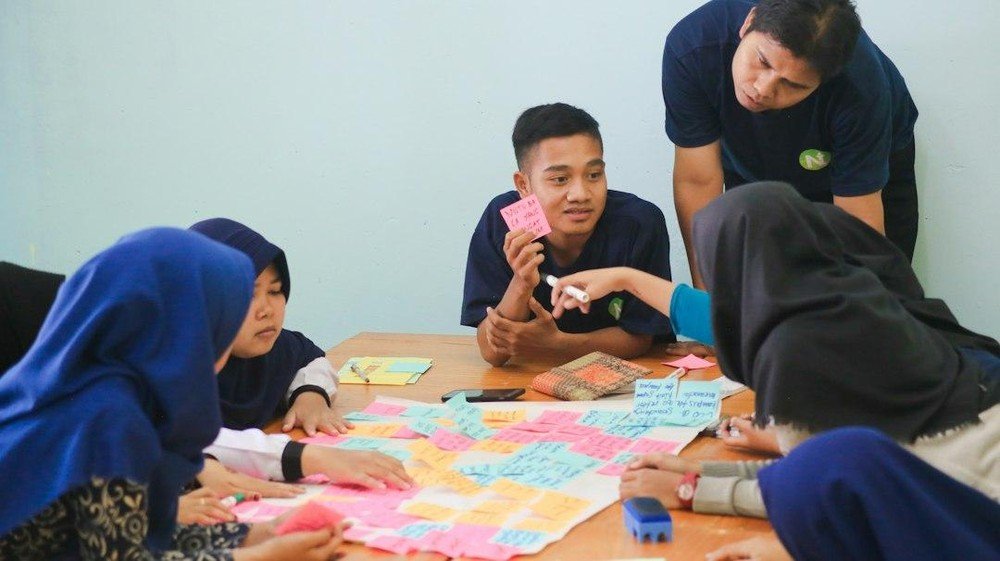
Strategies that help develop social communication and peer interaction skills are crucial. This might involve structured group activities, role-playing social scenarios, or using social stories to navigate complex social situations. Developing life skills, from self-care routines to organizational abilities, empowers autistic individuals for greater independence. For older students, vocational preparation and transition planning for post-secondary education or employment become vital. As of 2023, approximately 85% of adults with autism are unemployed or underemployed in the United States, underscoring the critical need for robust transition support.
Preparing for Key Educational Milestones
Transitions between school stages (e.g., primary to secondary, secondary to higher education) can be particularly challenging for autistic individuals. Preparing for these milestones requires proactive planning, including multiple school visits, introductions to key staff, and visual maps of new environments. Understanding concepts like monotropism—the tendency for autistic individuals to focus on one subject or task—can help us leverage special interests to ease transitions and engage learners. Routine mapping for new environments and fostering self-advocacy skills are also critical to empower students to communicate their needs effectively.
Sustainable Parenting and Family Lifestyle Habits for Caregiver Well-Being
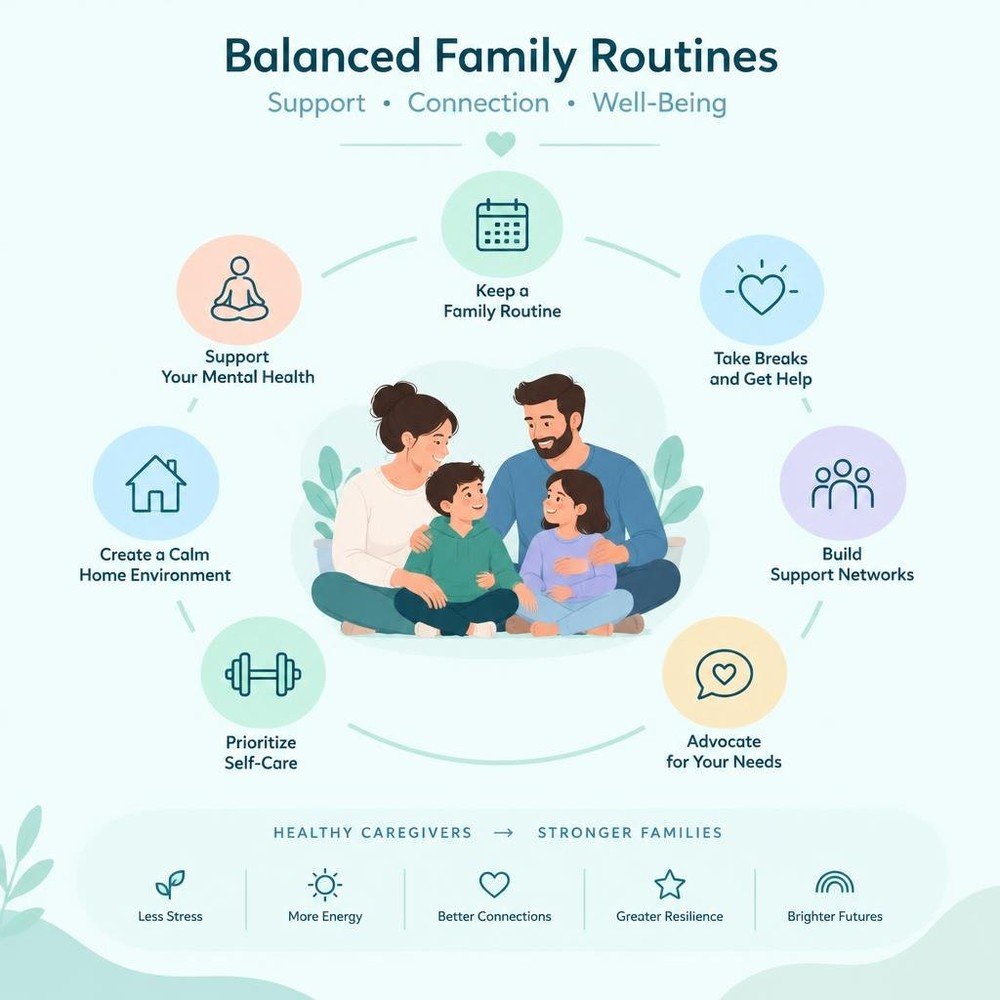
The journey of supporting an autistic child can be demanding, making caregiver well-being an essential component of a sustainable family lifestyle. Autistic fatigue or burnout is a recognized condition that can impact both children and their caregivers. Incorporating respite care, joining support groups, and prioritizing mental health are not luxuries but necessities for family resilience. Parents must remember that maintaining their own well-being ensures they can continue to be effective support systems for their children.
Here are essential practices for caregiver well-being:
- Seek Respite Care: Utilize available services to take planned breaks, allowing for rejuvenation and personal time.
- Build Support Networks: Connect with other parents of autistic children through local or online support groups to share experiences and advice.
- Prioritize Self-Care: Engage in activities that promote your own mental and physical health, such as exercise, hobbies, or mindfulness.
- Advocate for Your Needs: Don’t hesitate to seek professional help for your own mental health when needed, and communicate your needs to family and friends.
- Maintain Routine: Just as routines benefit children, consistent personal routines can help caregivers manage stress and maintain balance.
Frequently Asked Questions About Autism Learning Support
How do IEPs differ from 504 Plans in school settings?
IEPs (Individualized Education Programs) are legally mandated under IDEA for students with disabilities whose condition adversely affects their educational performance and requires specialized instruction. They provide a comprehensive plan including specific educational goals, therapies, and services. In contrast, 504 Plans, governed by Section 504 of the Rehabilitation Act, provide accommodations to ensure equal access to education for students with disabilities who do not require specialized instruction but still need support to participate in general education settings. The eligibility criteria and the scope of services provided are the primary distinctions.
What sensory strategies best support focus during home learning?
To support focus during home learning, effective sensory strategies often involve regulating the environment. This includes controlling lighting (e.g., using natural light or dimmers), establishing quiet zones free from distractions, and providing tactile tools like fidgets or weighted items. Movement breaks are also crucial for sensory regulation. Creating a predictable and organized learning space that minimizes sensory overload can significantly enhance an autistic child’s ability to concentrate and engage with learning tasks.
How does early intervention impact long-term cognitive development?
Early intervention has a profound impact on the long-term cognitive development of autistic children. Research shows that intervention during the preschool years, when the brain is highly adaptable, can lead to significant gains. For example, early intervention can improve a child’s IQ by an average of 17 points. This is due to the brain’s neuroplasticity, allowing for the development of crucial developmental milestones, cognitive gains, and adaptive behaviors that lay a strong foundation for future learning and independence. Early support can mitigate challenges and unlock greater potential.
Conclusion
Providing comprehensive Autism Learning Support is a dynamic and evolving process that requires a holistic approach, integrating home, school, and community resources. By embracing neurodiversity affirmation, we recognize and celebrate the unique strengths of autistic individuals while providing targeted support for their challenges. Continuous advocacy, informed by a deep understanding of legal frameworks and evidence-based practices, empowers families to navigate the educational system effectively. Our collective goal is family empowerment, fostering environments where every autistic child can achieve their full potential, develop independence, and lead a fulfilling life.