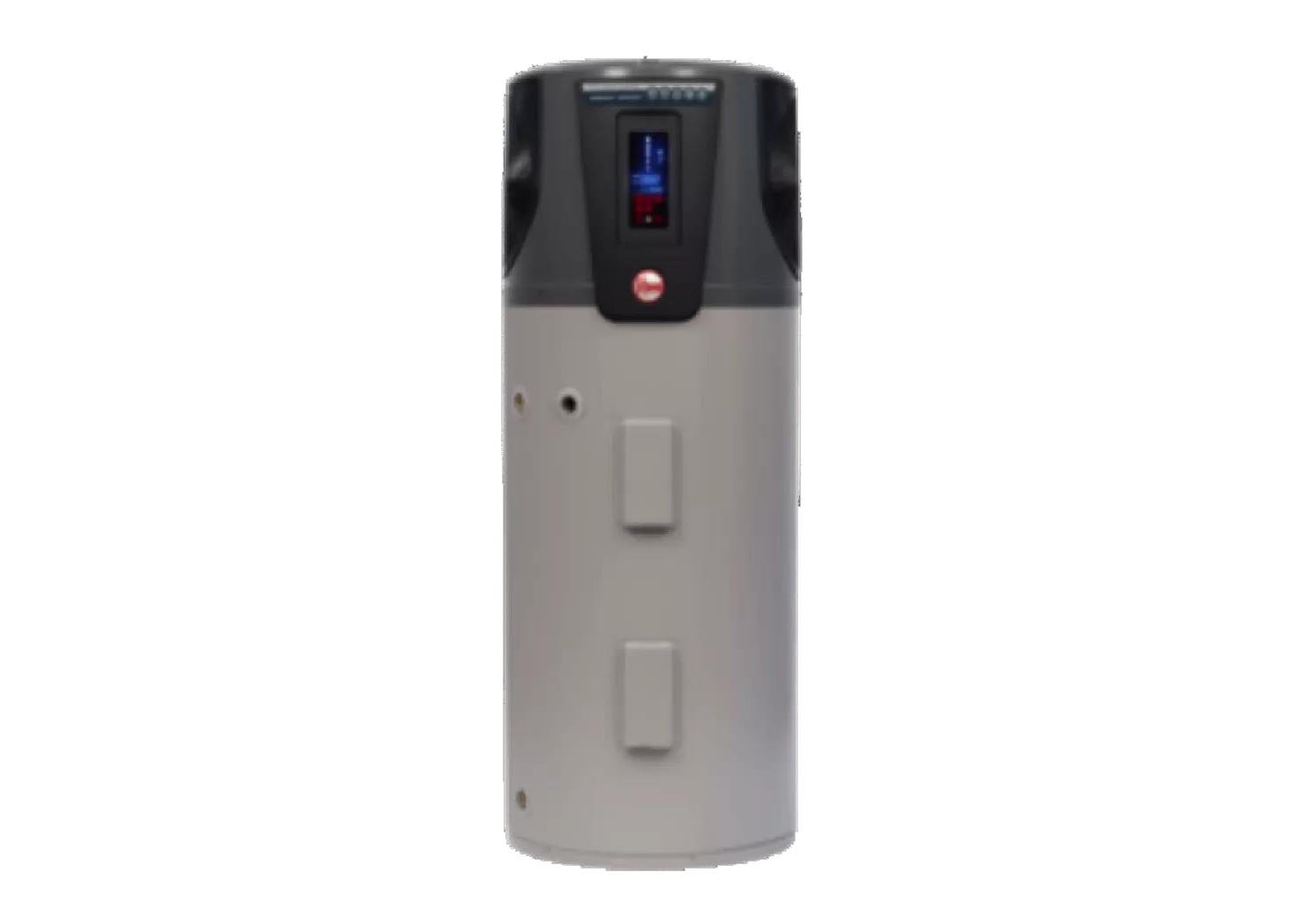
Hot water can account for a significant part of household energy use, so choosing an efficient system can make a meaningful difference to ongoing energy consumption. Heat pump hot water systems have become an increasingly common alternative to conventional electric storage systems because they use heat from the surrounding air to help heat the water. Options such as the Rheem AmbiHeat 270L heat pump demonstrate how modern systems combine a storage tank with heat pump technology designed for residential use.
However, choosing a heat pump should involve more than simply replacing an existing system with a similar-sized unit. Household hot water demand, installation location, climate, available space and system features should all be considered before making the switch.
Understand How Heat Pump Hot Water Works
A heat pump operates differently from a traditional electric storage water heater. Instead of relying primarily on an electric element to generate heat directly, it extracts heat energy from the surrounding air and transfers that energy into the stored water. The process works on principles similar to refrigeration, but in reverse. A refrigerant absorbs heat from the air, which is then transferred through the system to heat the water. Electricity is still required to operate components such as the compressor and fan, but the system makes use of environmental heat rather than producing all of its heating energy directly.
Some models also include an electric backup element. This can provide additional heating when required, such as during periods of high demand or particular operating conditions. Understanding this difference is important because the way a heat pump operates can influence where it should be installed and how it performs under different conditions.
Choose the Right Capacity for Your Household
Tank capacity is one of the first factors to consider when comparing heat pump systems. A system that is too small may struggle to meet household demand, while an unnecessarily large system may not be the most practical choice. The appropriate capacity depends on more than the number of people living in the property. Shower habits, bath use, appliance requirements and when household members typically use hot water can all influence demand.
Consider questions such as:
- How many people regularly live in the home?
- Are several showers normally taken within a short period?
- Does the household frequently use baths?
- When is hot water demand highest?
- Is household size likely to change?
A professional installer can help assess these factors and recommend a suitable capacity rather than relying on tank size alone.
Consider Climate and Installation Location
Because heat pumps extract energy from surrounding air, installation conditions are an important part of system selection.
Different models have different operating temperature ranges. Homeowners should check whether the system is appropriate for the local climate, particularly in areas that regularly experience colder winter temperatures. Location around the property also matters. Heat pump systems generally require suitable airflow around the unit, so placing one in a confined or poorly ventilated area may not be appropriate unless the specific installation requirements allow it.
Space, access and noise should also be considered. The compressor and fan create operating noise, so positioning the system immediately beside bedrooms or frequently used outdoor areas may not always be ideal. A suitable location should provide enough space for the unit while also allowing technicians reasonable access for future servicing and maintenance.
Compare Efficiency With Your Existing System
Many homeowners consider heat pumps because they want to reduce the electricity required for water heating. However, the potential benefit will depend on the system being replaced, household usage and how the new unit is operated. For homes using conventional electric resistance storage systems, moving to heat pump technology may reduce the amount of electricity required to produce hot water because much of the heating energy is transferred from the surrounding air.
Households should look beyond the purchase price and consider the longer-term picture. Relevant factors can include:
- Expected energy consumption
- Installation costs
- System lifespan
- Maintenance requirements
- Household hot water demand
- Available rebates or incentives
Electricity tariffs may also influence operating costs. Some households may be able to schedule heating around suitable tariff periods, depending on their electricity arrangement and the capabilities of the system. Rather than assuming every heat pump will deliver identical savings, compare products based on how they are likely to perform under the conditions of your particular household.
Look at Operating Modes and Backup Heating
Modern heat pump systems can offer different operating modes designed to balance efficiency and hot water recovery. An energy-saving mode may prioritise heat pump operation, while other settings may use additional electric heating when faster recovery is needed. The terminology and functionality vary between manufacturers, so homeowners should understand what each mode actually does. Backup heating can be useful during periods of unusually high hot water demand. For example, additional household guests may temporarily increase consumption beyond normal levels.
However, frequently relying on an electric backup element may affect the overall energy performance of the system. Choosing an appropriately sized unit and using suitable settings can therefore be important for everyday efficiency. Controls should also be easy for household members to understand. A technically advanced system provides limited benefit if it is routinely operated in a way that does not suit the household’s needs.
Plan for Professional Installation and Ongoing Maintenance
A heat pump hot water system needs to be installed correctly to operate as intended. Replacing an existing unit may involve plumbing, electrical connections, drainage considerations and changes to the installation area. The installer should assess whether the existing location is suitable or whether another position would provide better airflow, access and overall operation. Local installation requirements and manufacturer specifications also need to be followed.
Homeowners should consider ongoing maintenance as part of the decision. Keeping the surrounding area clear, following manufacturer maintenance recommendations and arranging professional servicing when required can help maintain reliable operation. Before purchasing, it is also worth checking warranty conditions and understanding which components are covered. Heat pumps contain more mechanical components than a basic electric storage tank, making after-sales support and access to qualified servicing important considerations.
Conclusion
Switching to a heat pump hot water system can provide an efficient alternative to conventional electric water heating, but the right system depends on the individual property and household. Tank capacity, climate, installation location, hot water demand, operating modes and backup heating should all be considered before choosing a model. Looking at long-term energy use and maintenance requirements can also provide a more complete picture than comparing purchase prices alone.
With appropriate system selection and professional installation, a heat pump can provide reliable household hot water while reducing reliance on direct electric resistance heating. Taking time to assess the available options before upgrading can help homeowners choose a system that suits both their current needs and everyday routines.