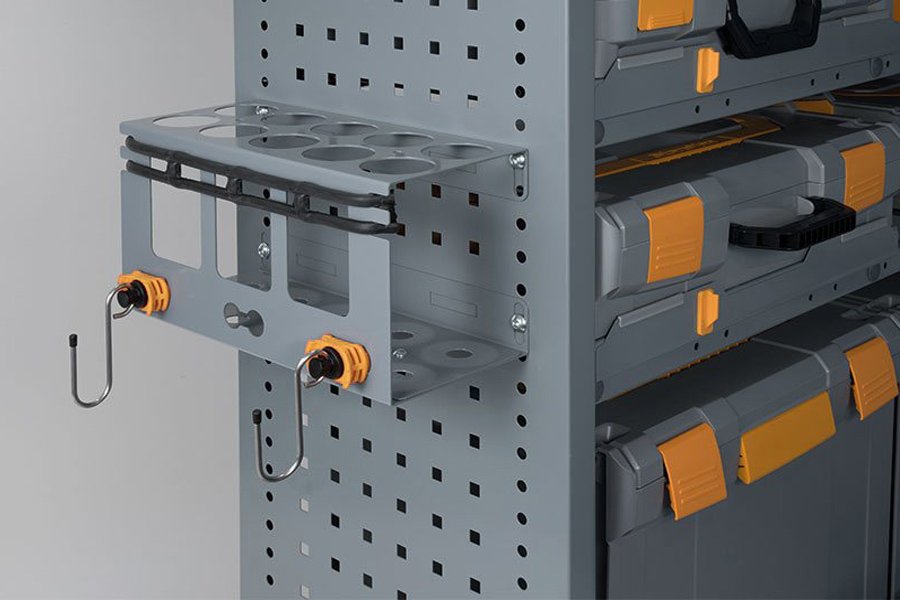
For tradespeople and mobile professionals, keeping sealants, adhesives, and caulking tubes organized isn’t just about tidiness—it’s about efficiency, professionalism, and protecting your investment. A quality sealant tube holder can be the difference between a chaotic van interior and a streamlined mobile workshop that saves time on every job.
Why Proper Sealant Storage Matters in Your Van
Anyone who’s worked from a van knows the frustration of searching through scattered tubes, finding dried-out sealants, or discovering punctured containers that have leaked onto other tools.
When sealants aren’t stored properly, tubes roll around during transit, damaging nozzles and puncturing containers. Temperature fluctuations affect product quality. You waste valuable time hunting for the right product instead of working. Presenting a professional image becomes difficult when digging through a messy van.
Professional storage solutions address these challenges. Every tube has its place, making inventory management simple. Your materials stay in optimal condition, and you project the competence that wins repeat business.
Understanding Sealant Tube Holder Systems
Modern storage systems for sealants come in various configurations, each designed to address specific workflow needs. The right choice depends on your trade, the variety of products you carry, and how your van is already configured.
Types of Tube Storage Solutions
Horizontal rack systems position tubes lengthwise, making labels immediately visible. This design works exceptionally well when mounted on side walls or under shelving units. You can see your entire inventory at a glance, which speeds up product selection significantly.
Vertical tube holders maximize space efficiency by standing tubes upright. These systems often incorporate individual compartments that prevent tubes from shifting during transit. The vertical orientation also helps prevent settling of product components, keeping materials mixed and ready to use.
Drawer-integrated holders combine tube storage with drawer systems, protecting contents from temperature extremes and curious eyes. This enclosed approach suits those carrying premium products or working in areas where security matters.
Adjustable modular systems offer the flexibility to accommodate various tube sizes, from slim caulking tubes to larger sealant cartridges. As your product range evolves, these systems adapt without requiring replacement.
Key Features That Make the Difference
Quality storage solutions share characteristics that separate professional-grade equipment from basic racks. Look for durable materials like powder-coated steel, heavy-duty polymers, or aluminum that won’t corrode.
Secure retention mechanisms prevent tubes from falling during sharp turns or sudden stops through spring-loaded clips, elastic retention, or friction-fit designs.
Easy access remains crucial. Quality designs allow one-handed retrieval, keeping your other hand free.
Visibility and labeling support quick identification. Some systems include label holders or clear fronts for reading product names without pulling tubes out, saving minutes on every job.
The Real Impact on Your Daily Workflow
Beyond organizational benefits, proper tube storage creates ripple effects throughout your workday. Your morning routine becomes efficient—a quick visual scan confirms you have needed materials. Restocking becomes systematic rather than reactive.
On the job site, efficiency multiplies. You arrive, open your van, and immediately locate the exact sealant required. No fumbling, no delays, no apologizing to clients. This professionalism reinforces your expertise.
Time savings compound across jobs. Saving just three minutes per job means 15 minutes daily for someone doing five appointments. Over a year, that’s 60+ hours reclaimed—1.5 work weeks.
Material preservation represents another hidden benefit. Properly stored sealants maintain their consistency and performance. You’re not throwing away half-used tubes that dried out from damaged nozzles. Reduced material waste often pays for the storage system within months.
Integrating Tube Storage with Complete Van Organization
A sealant tube holder works best as part of a comprehensive storage strategy. Smart van organization means thinking about workflow patterns.
Position tube storage near related tools. If you use a caulking gun with your sealants, mount the holder where the gun is accessible. This clustering reduces movement and streamlines your process.
Items used on every job should occupy prime real estate—easy to reach, quick to grab. Specialty products used occasionally can sit in secondary locations.
Weight distribution affects van handling and fuel efficiency. Heavier items belong low and centered when possible. Lighter sealant tubes can mount higher on walls without creating balance issues.
The relationship between tube storage and broader van racking uk systems deserves attention. Integrated systems where tube holders mount directly to shelf units or drawer frames create cohesive storage that maximizes every cubic inch of van space.
Choosing the Right System for Your Trade
Different professions have different needs when it comes to sealant storage.
Plumbers and heating engineers often carry multiple types of silicones, pipe sealants, and thread compounds. Systems accommodating various tube sizes work best, from small thread seal sticks to large silicone cartridges. Quick access matters during emergency calls.
Electricians working with fire-rated sealants need protection from temperature extremes. Drawer-integrated holders or systems with covers help maintain product integrity.
Builders and general contractors require versatile storage handling everything from construction adhesives to decorative caulks. Adjustable systems that reconfigure as project needs change offer the most value.
Shop fitters and joiners benefit from systems separating products by color or finish. Quick identification of the right shade prevents mistakes and callbacks.
Installation Considerations for Maximum Utility
Thoughtful installation amplifies the benefits of quality equipment.
Mounting location should reflect both accessibility and safety. Side wall mounting keeps tubes visible and reachable but requires secure attachment. Floor-mounted units offer stability but can obstruct movement.
Height positioning balances ease of access with ergonomics. The ideal height puts most tubes between waist and shoulder level for comfortable retrieval.
Securing methods must account for van construction. Rivnuts, bolts through existing mounting points, or specialized attachment systems all work if properly executed, especially for emergency braking forces.
Future modifications deserve consideration. Using modular mounting rails allows reconfiguration as needs evolve without drilling new holes.
Maintenance and Longevity of Storage Systems
Quality tube holders require minimal maintenance but benefit from periodic attention. Monthly cleaning prevents adhesive residue and dust buildup. A simple wipe-down maintains both function and appearance.
Inspect mounting hardware quarterly, especially after rough driving. Vibration can loosen fasteners over time. Check retention mechanisms regularly—springs fatigue, elastic loses tension, and friction materials wear.
Consider protective measures for harsh environments. Covers or specialized coatings extend system life in corrosive conditions or extreme temperatures.
Calculating Return on Investment
Professional storage isn’t an expense—it’s an investment with measurable returns.
Time savings translate directly to earning capacity. Billing £40 per hour and saving 15 minutes daily recaptures £10 of value each workday—£2,500 over 250 working days.
Material waste reduction prevents even one tube monthly from drying out, saving £50-100 annually depending on product type.
Professional image enhancement affects client retention and referral rates. Organized equipment signals competence, influencing repeat business and recommendations.
Reduced stress doesn’t appear on balance sheets but impacts career longevity. An organized van reduces daily frustration and makes work more pleasant.
Future-Proofing Your Van Storage
As your business grows, your storage needs will change. Selecting adaptable systems ensures your investment remains relevant.
Modular designs accommodate expanding product lines without requiring complete replacement. Universal mounting standards mean components from different manufacturers can work together, preventing vendor lock-in.
Durable construction ensures systems outlast vehicle lifetimes. When you replace your van, quality storage transfers to the new vehicle.
Consider emerging trends like digital inventory management. Some advanced systems now incorporate RFID or barcode scanning. Choosing compatible systems provides future upgrade paths.
Making the Smart Choice for Your Business
Investing in proper sealant tube storage represents a commitment to professionalism and efficiency. The right system pays dividends through saved time, protected materials, and enhanced reputation.
Quality storage solutions from Van Shelves combine thoughtful design with durable construction. Whether you’re outfitting your first van or upgrading from basic racks, purpose-built storage transforms how you work.
Every day spent working from a disorganized van costs time, money, and opportunities. Professional storage fixes these problems permanently.
Frequently Asked Questions
How many sealant tubes can a typical holder accommodate?
Capacity varies by design, but most professional systems hold between 10 and 30 tubes. Modular systems can be expanded to accommodate larger inventories. Consider your current needs plus 20-30% growth capacity to avoid needing immediate upgrades.
Will a sealant holder fit in any van model?
Quality holders are designed to work with standard van racking mounting systems, making them compatible with most commercial vehicles. However, always verify dimensions and mounting requirements against your specific van model before purchasing to ensure proper fit.
How do I prevent tubes from drying out even with proper storage?
Proper storage prevents physical damage but doesn’t replace good tube maintenance. Always clean nozzles after use, replace caps securely, and store tubes away from extreme heat. Some holders offer enclosed designs that provide additional protection from temperature fluctuations.
Can I install a tube holder myself, or should I hire a professional?
Most holders come with installation hardware and clear instructions suitable for DIY installation. Basic hand tools are typically all you need. However, if you’re uncomfortable drilling into your van or working with mounting systems, professional installation ensures optimal results.
What’s the typical lifespan of a quality sealant tube holder?
Well-constructed holders from reputable manufacturers can last 10+ years with basic maintenance. The durability of materials like powder-coated steel or quality polymers means these systems often outlast the van they’re installed in, transferring to replacement vehicles.