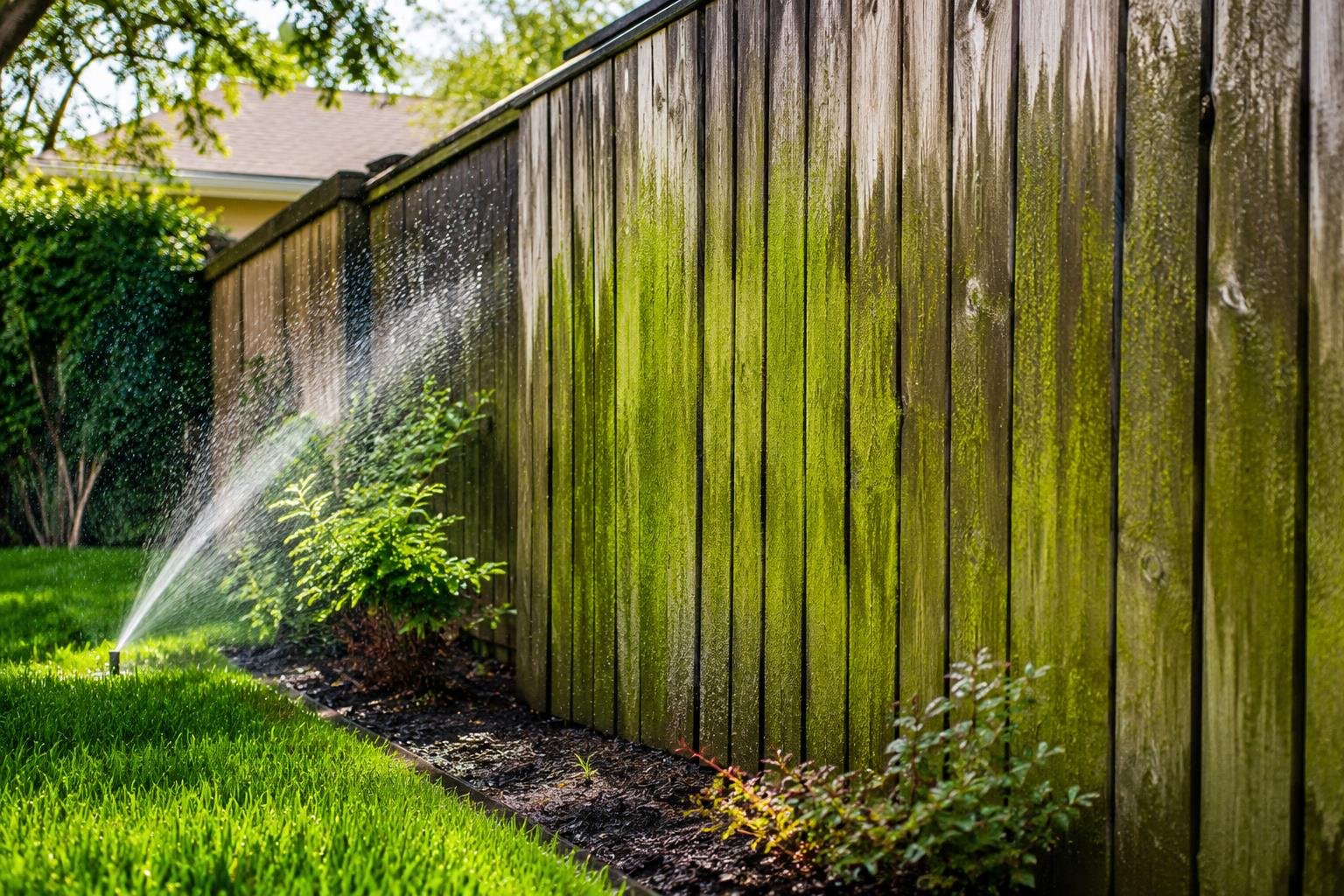
Homeowners often take pride in maintaining a healthy lawn and beautiful landscaping, especially during the warmer months of the year. However, many people begin noticing green stains or buildup forming around backyard fences near sprinkler zones as spring turns into summer. This discoloration can make even a well-maintained yard appear neglected. Understanding the causes behind this issue can help homeowners prevent long-term damage and keep outdoor spaces looking clean and attractive.
Overspray From Irrigation Systems
One of the most common causes of green buildup around fences is overspray from irrigation systems. Sprinklers are designed to keep grass and plants hydrated, but they often spray water beyond the intended area. When fence panels are repeatedly exposed to moisture from sprinklers, algae, mold, mildew, and moss can begin to grow on the surface.
Wooden fences are especially vulnerable because wood naturally absorbs moisture, creating the ideal environment for organic buildup. As watering schedules increase during late spring and early summer, the problem often becomes more noticeable.
Why Green Buildup Appears During Late Spring
Many homeowners first notice fence discoloration during late spring lawn growth. This happens because irrigation systems usually run more frequently to support greener grass, blooming flowers, and healthy landscaping. The combination of warmer temperatures and constant moisture creates the perfect conditions for algae and mildew growth.
Areas around fence lines that remain wet throughout the day tend to develop green patches much faster than dry sections of the yard.
The Impact of Shaded Fence Lines
Shaded areas around fences are another major reason green buildup develops quickly. Sunlight naturally helps outdoor surfaces dry after watering or rainfall. However, fences located behind trees, large shrubs, or shaded sides of homes often stay damp for long periods.
Without enough sunlight, moisture becomes trapped on the fence surface, encouraging algae and mildew growth. This is why homeowners commonly notice the worst discoloration in areas with limited sun exposure.
Poor Airflow Around Landscaping Beds
Landscaping can improve curb appeal, but it can also contribute to fence staining problems. Many homeowners place mulch, flowers, and bushes directly against fence lines. While attractive, these landscaping features reduce airflow around the fence.
Limited air circulation prevents moisture from evaporating properly. When damp conditions remain consistent, green buildup spreads much faster across fence panels and posts.
Moisture Retention Around Fence Bases
Mulch and soil naturally retain water after irrigation cycles or rainstorms. When these materials remain pressed against fences, they keep the lower portions of the fence constantly damp. Over time, this can cause both discoloration and structural deterioration.
Wood fences are particularly at risk because prolonged exposure to moisture may lead to rotting, warping, and weakened fence posts.
Why Even Vinyl Fences Develop Green Stains
Although vinyl and composite fences are more moisture-resistant than wood, they are not immune to algae buildup. Green streaks and stains can still appear when fences are exposed to constant sprinkler overspray and damp conditions.
Lighter-colored fencing materials tend to show discoloration more clearly, making routine cleaning and maintenance essential.
Exterior Maintenance and Cleaning Solutions
Some homeowners try to remove green buildup using garden hoses or household cleaners, but these methods may only provide temporary results. In many situations, professional cleaning services offer a more effective solution for restoring outdoor surfaces safely.
Services like residential pressure washing services can help remove algae, mildew, dirt, and moisture-related stains from fences and surrounding exterior surfaces without causing unnecessary damage.
Tips to Prevent Green Fence Buildup
Preventing buildup usually requires a combination of proper irrigation management and regular maintenance. Homeowners can reduce moisture problems around fences by:
- Adjusting sprinkler heads to reduce overspray
- Trimming bushes and tree branches for better sunlight exposure
- Improving airflow around landscaping beds
- Avoiding excessive mulch against fence panels
- Inspecting irrigation systems for leaks or poor spray patterns
- Scheduling regular exterior cleaning when needed
Taking these preventive steps can significantly reduce staining and extend the lifespan of backyard fences.
Conclusion
Green buildup around backyard fences is a common issue, especially near sprinkler zones where moisture remains consistent. Overspray from irrigation systems, shaded fence lines, poor airflow, and moisture retention around landscaping beds all contribute to discoloration and algae growth.
By understanding these causes and following proper maintenance practices, homeowners can protect their fences, maintain curb appeal, and create a cleaner outdoor environment throughout the year.