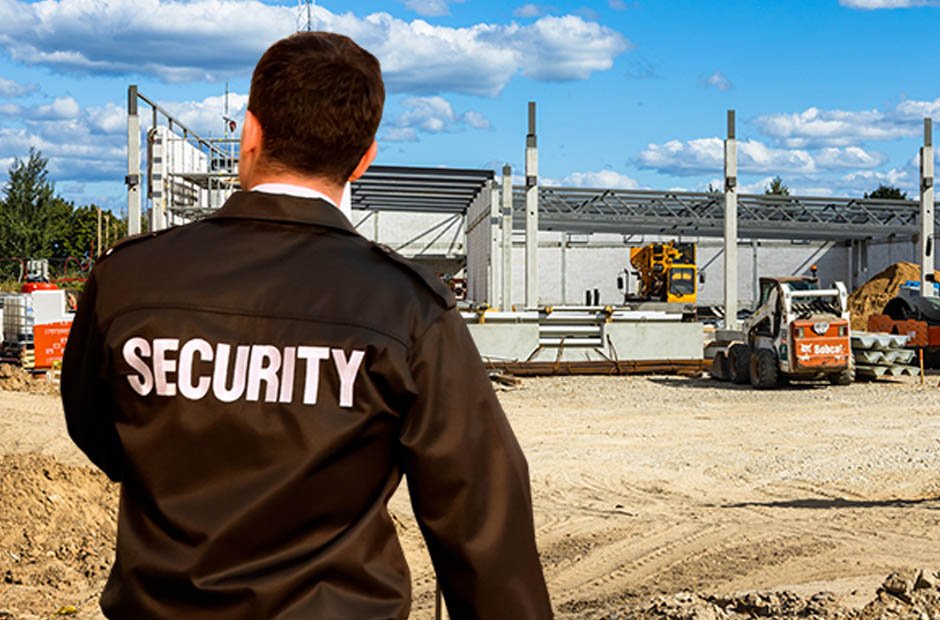
Managing a busy development site often feels like trying to keep a dozen plates spinning at once. On any given day, you are coordinate sub-contractors, fighting tight deadlines, keeping clients happy, and trying desperately to stay within a razor-thin budget. It is a high-pressure environment where even a minor delay can cost thousands of dollars. Yet, amidst all these logistical headaches, one massive vulnerability is frequently left to chance until it is far too late: physical site protection. Taking a proactive, layered approach to construction security is not just a defensive measure; it is actually a core pillar of keeping your project on track and on budget.
When a job site is left vulnerable after hours, it essentially becomes an open invitation for opportunistic thieves, organized crime syndicates, and vandals. The fallout from a single security breach can quickly derail months of hard work.
The Real Cost of Looking the Other Way
A typical building site is a goldmine for criminals. Unlike a locked retail store, a construction site is an open, constantly shifting landscape filled with highly valuable, easily sold assets. Think about it: premium timber, specialized copper cabling, heavy machinery, and expensive tools are often left sitting out in the open overnight.
If you talk to any seasoned project manager, they will tell you that the true cost of theft goes way beyond the price tag of the stolen goods. The real damage comes from the ripple effects:
- Stalled Progress and Idle Crews: If a vital piece of machinery or custom material is stolen, your entire crew might be stuck waiting around for days. You are still paying for their time, but no progress is being made.
- Spike in Insurance Costs: Filing claims for stolen gear might help you recover some cash in the short term, but it almost guarantees that your future premiums will skyrocket.
- Loss of Trust with Stakeholders: Clients and investors want to work with organized, reliable builders. If your site is constantly suffering from security breaches, it sends a message that your project management lacks control.
To avoid these costly setbacks, smart construction companies are moving away from passive “hope for the best” tactics. Instead, they partner with established security services to create dynamic, site-specific safety plans that protect their raw materials, machinery, and workers.
What Does a Real Defense Strategy Look Like?
An effective security plan cannot be static. It has to adapt as the physical layout of your site changes, moving from rough excavation all the way to the final hand-over. A truly reliable defense system combines tough physical barriers, smart surveillance technology, and human eyes on the ground.
Figure 1: Robust perimeter fencing combined with strategic, visible cameras keeps unauthorized visitors away.
1. Toughening the Perimeter
Your first defense is always the physical boundary. High-quality temporary fencing, locked access gates, and clear, high-visibility warning signs are essential. Beyond that, modern sites are increasingly using digital access control systems, like keypads or biometric scanners, to ensure that only verified workers can enter active zones.
2. AI-Powered Monitoring and Remote Guarding
Old-school analog cameras that only record footage for later review do not stop active crimes. Today’s sites rely on smart, weather-resistant CCTV cameras equipped with night vision, thermal imaging, and motion analytics. These intelligent systems can instantly differentiate between a stray animal and a human trespasser, sending immediate alerts to a live monitoring station or your phone the moment someone breaches the perimeter.
3. Professional Guard Patrols
Technology is incredibly useful, but it cannot make a physical arrest or manually check a weak gate lock. Having visible, trained security guards on-site provides a massive psychological deterrent that no camera can match. On-site guards can patrol dark corners, verify the credentials of late-night delivery drivers, and spot hidden hazards like fire risks or water leaks before they turn into emergencies.
The Big Picture: Legal Safety and Clean Workflows
Investing in professional protection is not just about catching bad guys; it is also about protecting your business from major legal and operational liabilities.
Figure 2: Routine security patrols help prevent off-hours vandalism and limit public liability risks.
Consider the legal side of things. Construction sites are dangerous places. If a curious teenager or a trespasser wanders onto your unsecured site at night and gets hurt, your company could face devastating, multi-million-dollar lawsuits. Having a documented, active security protocol on-site is your best shield to prove you took all reasonable precautions.
Additionally, internal security helps keep everyone honest. Tool and material “shrinkage” is a real issue on large projects where multiple sub-contractors share the same space. Clear access controls and active camera monitoring build a culture of accountability.
Final Thoughts
At the end of the day, securing your development project is an investment in your project’s overall success. By blending physical barriers with modern virtual monitoring and professional guards, you can insulate your job site from preventable financial disasters.
Do not wait for a major break-in or a costly lawsuit to show you where your site’s weaknesses are. Lock down your assets, protect your timelines, and make sure your team has the peace of mind they need to build safely and successfully.