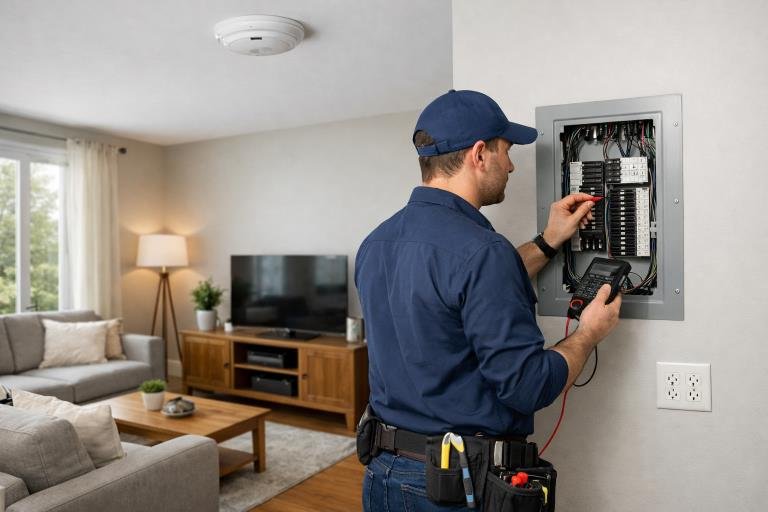
Ensuring your home’s electrical safety not only protects your loved ones but can also prevent costly property damage and disruptions. From recognizing subtle warning signs to adopting everyday best practices, understanding electrical safety is the first line of defense against hazards. View the page to discover professional assistance if you encounter any issues or need expert advice. Whether you live in an older home or a new build, adhering to safety guidelines and upgrading outdated systems are critical steps. Electrical hazards, such as overloaded circuits, damaged wiring, and improper use of extension cords, contribute to thousands of annual home fires and injuries. Still, most of these incidents are preventable with proactive measures. Knowing which safety devices to install and understanding when to call a professional can make all the difference. A diligent approach to education and regular maintenance empowers every household to eliminate preventable risks. Continue reading for actionable tips and industry insights to help you keep your home safe from electrical hazards.
Recognizing Overloaded Circuits
Overloading your electrical circuits is one of the most common reasons for residential electrical fires. The signs may include flickering or dimming lights, buzzing noises, frequent breaker trips, and outlets that become warm or discolored during use. To reduce the risk, limit the number of devices plugged into each outlet and never use extension cords or power strips for high-wattage appliances.
If you notice these warning signs, turn off the affected devices and consult with a licensed electrician as soon as possible.
Importance of GFCI Outlets
Ground Fault Circuit Interrupter (GFCI) outlets are crucial safety devices designed for areas exposed to moisture, such as kitchens, bathrooms, garages, and outdoor spaces. GFCIs detect any electrical imbalances and instantly shut off power to prevent shocks and possible electrocution. Test your GFCI outlets monthly by pressing the “test” button to ensure they function. If the power doesn’t cut off or the “reset” button doesn’t restore power, replacement is needed. Properly functioning GFCIs can be lifesavers, especially in households with young children or elderly residents.
Risks of Using Extension Cords Improperly
Extension cords are meant for temporary power solutions only. Relying on these cords for daily or permanent use increases the risk of overheating and fire. Running extension cords under rugs, through walls, or across doorways can weaken the insulation and create dangerous hot spots. Avoid using extension cords with high-power appliances, such as space heaters or air conditioners. If you find yourself needing extension cords frequently, it is a sign that your home doesn’t have enough outlets to meet your needs. It is highly advisable to have a qualified electrician install additional outlets in frequently used spaces.
Identifying and Addressing Damaged Wiring
Damaged, frayed, or outdated wiring can pose significant risks, including fire hazards and electric shocks. Warning signs may include persistent burning odors, buzzing noises from outlets or switches, and wall plates that feel hot to the touch. If your home is over 40 years old or you notice any of these signs, schedule an inspection and upgrade your wiring according to modern safety standards.
Installing Arc Fault Circuit Interrupters (AFCIs)
Arc Fault Circuit Interrupters (AFCIs) are advanced safety devices that prevent fires by detecting hazardous electrical arcs, unexpected flashes of electricity caused by damaged wires or improper installations. Today’s building codes require AFCIs in bedrooms and many living spaces, but older homes may lack these protections. Having AFCIs installed by professionals adds a vital layer of safety, particularly in homes with aging wiring or a history of electrical issues.
Regular Electrical Inspections
Scheduling annual inspections with a licensed electrician is recommended for every household, especially when planning major renovations or installing new appliances. Regular checkups help catch potentially dangerous issues before they escalate. An experienced electrician can identify hidden hazards, verify compliance with local codes, and make safety upgrade recommendations.
Educating Household Members
Promoting electrical safety in your home is a team effort that starts with education. Ensure every family member understands not to overload sockets, to unplug appliances when not in use, and to recognize the symptoms of electrical problems. Create a plan to respond to electrical emergencies; knowing how to shut off the main breaker is an essential skill for everyone in the house. Additional tips and resources on home electricity safety can be found at the Electrical Safety Foundation International, which offers comprehensive guidelines for families. Staying proactive, making smart upgrades, and prioritizing ongoing education are key strategies for minimizing electrical risks. By integrating these essential tips into your household routines, you can significantly reduce the chance of accidents and create a safer, more secure living environment for everyone.
Conclusion
Electrical safety should be a top priority for every homeowner. By recognizing warning signs, avoiding overloaded circuits, using safety devices like GFCIs and AFCIs, and scheduling regular inspections, you can significantly reduce the risk of fires and electrical accidents. Staying proactive with maintenance and relying on licensed electricians for repairs and upgrades helps create a safer, more secure home environment for your family now and in the future.