Chemical storage areas are assessed for more than basic housekeeping. Auditors usually focus on whether the site can safely contain hazardous materials, prevent environmental harm, support correct handling, and show clear control over risk. In industries that store fuels, solvents, acids, cleaning agents, or processing chemicals, the question is not only what is being stored, but how well the area is designed, maintained, and documented.
Secondary Containment That Matches the Risk
One of the first things auditors assess is whether the storage area has suitable secondary containment in place. That means looking at whether leaks, spills, or container failures can be captured before they spread into surrounding work areas, drains, or soil. Containment systems must also be appropriate to the type and volume of chemicals being stored, rather than treated as a generic add-on.
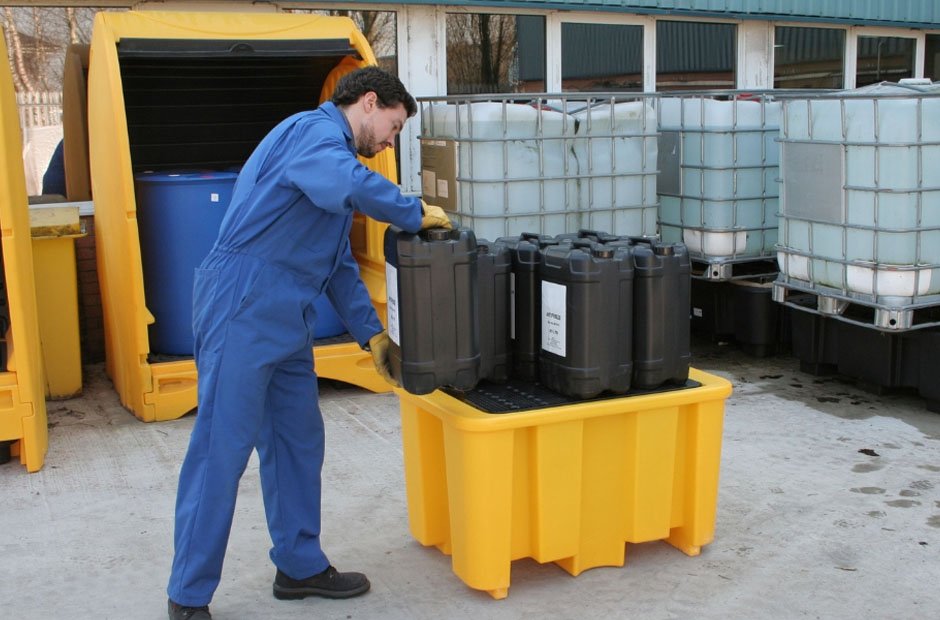
For sites using bulk liquid containers, this often brings attention to IBC spill bunds for chemical storage, transport and environmental protection because auditors want to see that containment is aligned with how hazardous liquids are actually stored and moved. It helps demonstrate that the business has considered both immediate spill control and the wider environmental risks attached to routine handling.
Clear Labelling and Chemical Identification
Auditors also pay close attention to how clearly chemicals are identified. Containers, transfer points, and storage zones should be labelled in a way that leaves no uncertainty about contents, hazards, or handling requirements. Missing, damaged, or outdated labels can quickly raise concerns because they increase the risk of misuse, incorrect storage, or unsafe emergency response.
The same applies to Safety Data Sheets and hazard communication. Auditors often check whether site staff can access current information about the chemicals on hand and whether labelling aligns with that information. A storage area that is physically tidy but poorly labelled can still fail to meet expectations.
Separation of Incompatible Substances
Another major audit focus is the separation of incompatible chemicals. Some substances can react dangerously if they leak, mix, or are stored too close together. Auditors, therefore, look for evidence that segregation has been properly planned, not guessed at on the day of inspection.
They may review whether acids are separated from alkalis, oxidisers from flammables, and food-related products from industrial chemicals where relevant. Physical barriers, distance, and dedicated containment zones all help show that the site understands chemical compatibility and is managing it properly.
Condition of Containers and Storage Equipment
Storage areas are not judged only by layout. Auditors also inspect the condition of the containers, pallets, valves, bunds, and surrounding infrastructure. Damaged IBCs, corrosion, staining, cracked surfaces, or poorly maintained fittings can all suggest that the site is vulnerable to loss of containment.
This part of the audit often reveals whether a business is taking a preventive approach or simply reacting to problems as they occur. Well-maintained storage equipment shows that chemical handling is being managed as an ongoing operational priority rather than a box-ticking exercise.
Spill Response and Emergency Readiness
Auditors generally want to see that a spill can be managed quickly and correctly if it happens. That includes access to spill kits, clear response procedures, emergency contacts, and safe pathways for isolation or clean-up. The issue is not whether a site can prevent every incident, but whether it is prepared to control one effectively.
Emergency readiness also includes practical considerations such as ventilation, drainage protection, eyewash access, and fire safety, where applicable. If staff are expected to respond to a spill, auditors may also consider whether the equipment provided supports effective decontamination and matches the likely chemical risks in that area.
Housekeeping, Access, and Inspection Records
Good housekeeping is another direct sign of control. Auditors look for uncluttered access routes, clean surfaces, stable container placement, and storage areas that are easy to inspect. Poor housekeeping can hide leaks, block emergency access, and make otherwise acceptable storage arrangements unsafe in practice.
Records matter as well. Routine inspection logs, maintenance notes, and incident reports help demonstrate that the storage area is being checked consistently. For auditors, documented oversight often confirms whether the visible condition of the site reflects a reliable system behind it.
Where Strong Storage Standards Show
A chemical storage area usually performs well in an audit when safety controls are visible, logical, and supported by day-to-day practice. Auditors are typically looking for containment, identification, segregation, equipment condition, emergency preparedness, and inspection discipline working together. When those elements are in place, the storage area does more than look compliant; it shows that chemical risk is being actively managed.