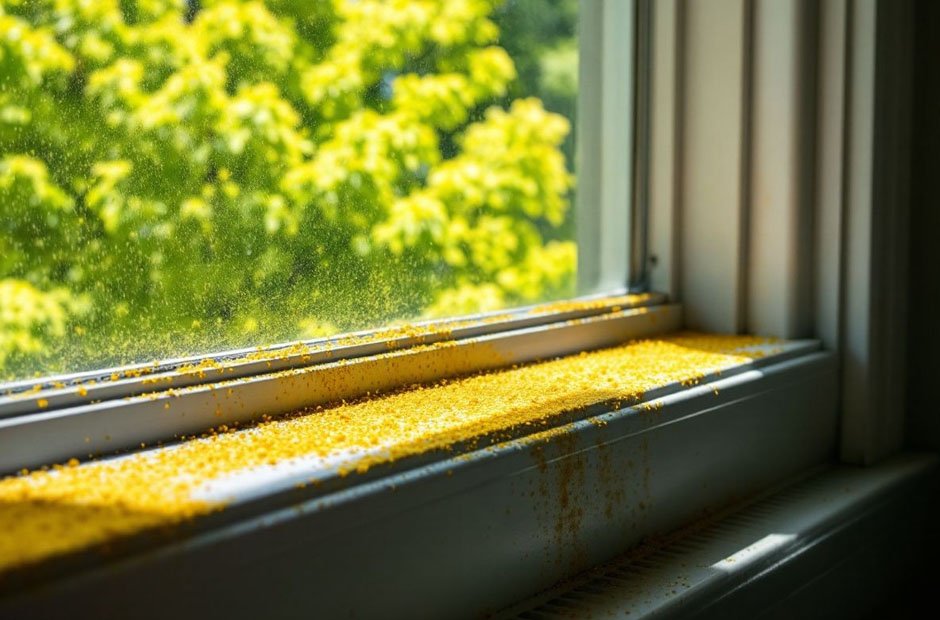
Every spring, homeowners welcome warmer temperatures, longer days, and blooming landscapes. Yet alongside this seasonal beauty comes a less celebrated guest: pollen. While most people associate pollen with allergies and hazy yellow dust on cars, its effects on a home’s exterior are often underestimated. April, in particular, marks a peak period when pollen production surges, and its interaction with moisture creates a subtle but impactful film across outdoor surfaces.
This buildup is not just a cosmetic nuisance. Over time, it can alter the appearance, texture, and even longevity of various materials around your home. Understanding how pollen behaves and where it accumulates is key to maintaining curb appeal and protecting your property.
How Pollen Transforms Once It Lands
At first glance, pollen appears as a light, powdery substance. It settles easily on flat surfaces like decks, siding, windowsills, and outdoor furniture. However, its behavior changes quickly when exposed to environmental elements.
Morning dew, spring rain, and even humidity cause pollen grains to absorb moisture. When this happens, they break down and form a sticky, almost glue-like residue. This thin film clings to surfaces more stubbornly than dry dust ever could. As layers build up over time, the result is a dull, grimy coating that can make even clean homes look neglected.
Unlike dirt that accumulates gradually, pollen buildup can occur rapidly. A single windy day during peak season can coat an entire property, and repeated exposure intensifies the effect.
The Science Behind the Sticky Film
Pollen contains natural proteins and sugars, which are designed to help plants reproduce. When combined with water, these organic compounds create a binding effect. This is why pollen does not simply wash away with light rain. Instead, it spreads and adheres more firmly to surfaces.
As the film dries, it leaves behind a residue that traps additional particles such as dust, pollution, and mold spores. Over time, this combination can lead to discoloration and uneven textures, especially on porous materials like wood and concrete.
This transformation is what makes pollen more than just a temporary inconvenience. It becomes an active contributor to surface degradation if left untreated.
Where Pollen Collects the Most
Not all areas of your home are affected equally. Some surfaces naturally attract and hold more pollen due to their texture, position, or exposure to airflow.
Common hotspots include:
- Horizontal surfaces such as window ledges, railings, and porch floors where pollen can settle undisturbed
- Shaded areas that retain moisture longer, allowing pollen to stay sticky and accumulate more debris
- Gutters and downspouts where pollen mixes with water and forms clogs or sludge-like buildup
- Exterior walls facing prevailing winds, which receive the highest concentration of airborne particles
These areas often show the earliest signs of discoloration or film formation. Regular observation during pollen season can help identify problem spots before they become more noticeable.
How Pollen Affects Different Materials
Each exterior material reacts differently to pollen buildup. While some surfaces show visible changes quickly, others experience gradual wear that may not be immediately obvious.
Siding, whether vinyl or painted wood, often develops a faded or streaky appearance. The pollen film disrupts how light reflects off the surface, making colors appear dull. Over time, this can give the impression that the paint is aging faster than it actually is.
Glass surfaces, such as windows and doors, lose their clarity. Instead of looking transparent and bright, they appear hazy or smeared. This not only affects aesthetics but also reduces the amount of natural light entering the home.
Decking and outdoor furniture can feel slightly sticky or rough to the touch. This is particularly noticeable after a light rain, when the pollen film becomes reactivated and tacky.
Concrete and stone surfaces are especially vulnerable to staining. The porous nature of these materials allows pollen residue to settle into tiny crevices, making it harder to remove with basic cleaning.
The Subtle Impact on Curb Appeal
Curb appeal is often associated with landscaping, paint condition, and overall cleanliness. However, pollen buildup quietly undermines all of these elements.
A home covered in a thin layer of pollen film may not look obviously dirty at first glance. Instead, it appears slightly muted or less vibrant. Colors lose their sharpness, surfaces lack shine, and details become less defined.
This subtle dulling effect can influence how others perceive your home. Whether you are hosting guests or considering selling your property, first impressions matter. Even a well-maintained house can seem less inviting if pollen residue is left unchecked.
This is where practices like house washing for curb appeal come into play. Addressing seasonal buildup ensures that your home maintains its intended appearance, especially during peak outdoor months.
Common Ways Homeowners Deal with Pollen
Most homeowners rely on routine cleaning methods to manage pollen. While these approaches can be effective to some extent, they often fall short when dealing with the sticky film created by moisture.
Typical strategies include:
- Rinsing surfaces with a garden hose, which removes loose pollen but may not eliminate residue
- Wiping down outdoor furniture and railings, offering temporary relief but requiring frequent repetition
- Sweeping porches and decks to clear visible dust, though this does not address underlying buildup
- Cleaning windows with standard solutions, which can leave streaks if pollen film is not fully dissolved
These methods are useful for maintenance but may not fully restore surfaces to their original condition. The challenge lies in breaking down the bonded layer that forms after pollen mixes with moisture.
Why Timing Matters During Pollen Season
One of the most overlooked aspects of pollen management is timing. Cleaning too early in the season may result in repeated buildup, while waiting too long allows the residue to harden and become more difficult to remove.
Mid to late spring is often the ideal window for a more thorough cleaning. By this point, the heaviest pollen release has typically passed, making it easier to achieve longer-lasting results.
Consistent monitoring is also important. If you notice surfaces becoming dull or sticky, it may be time to take action before the buildup intensifies.
The Role of Professional Cleaning
While routine maintenance helps, there are times when a deeper clean is necessary. This is especially true for areas that are difficult to reach or heavily affected by pollen film.
Professional pressure washing services are often used to address this type of seasonal buildup. These services are designed to remove not just surface dust but also the bonded residue that forms over time. When done correctly, pressure washing can restore the original look and feel of exterior materials without causing damage.
It is important to note that this should be approached carefully. Different surfaces require different pressure levels and techniques. Improper handling can lead to wear or surface damage, which is why many homeowners opt for experienced professionals.
Long Term Effects of Ignoring Pollen Buildup
Leaving pollen residue untreated can have consequences beyond appearance. Over time, the organic material can contribute to the growth of mold and mildew, especially in damp or shaded areas.
This not only affects the look of your home but can also impact the durability of certain materials. Wood may become more susceptible to rot, while painted surfaces may degrade faster due to trapped moisture.
Additionally, clogged gutters caused by pollen sludge can lead to water overflow, potentially damaging roofing and foundation areas. What starts as a seasonal inconvenience can gradually turn into a maintenance issue if not addressed.
Keeping Your Home Looking Its Best
Managing pollen season effectively requires a combination of awareness, timing, and proper cleaning techniques. By understanding how pollen behaves and where it accumulates, homeowners can take proactive steps to minimize its impact.
Simple habits like regular rinsing, targeted cleaning, and occasional deep washing can make a significant difference. More importantly, recognizing when buildup has gone beyond surface level ensures that your home receives the care it needs.
Spring should be a time to enjoy your surroundings, not worry about hidden grime. With the right approach, you can maintain a clean, vibrant exterior that reflects the beauty of the season rather than the challenges it brings.