Period properties offer a wealth of character, boasting unique architectural details, solid craftsmanship, and a sense of history that new builds often lack. Whether you live in a Victorian terrace or a mid-century semi-detached house, these older homes are incredibly popular. However, one common drawback of older properties is their outdated approach to illumination. Decades ago, residential spaces were not designed with modern brightness levels in mind. This historical oversight often results in shadowy corners, visually low ceilings, and a generally heavy atmosphere that can make rooms feel smaller than they actually are. Fortunately, knocking down walls or enlarging windows is not the only way to bring a property into the twenty-first century. Rethinking your illumination strategy offers a highly cost-effective alternative to major structural renovations, completely transforming the look, feel, and functionality of your home in just a matter of hours. Replacing your fixtures with updated designs can instantly revive the aesthetic appeal of your living areas, ensuring your family and guests feel immediately welcomed the moment they step through the door.
Elevating the Space from Above
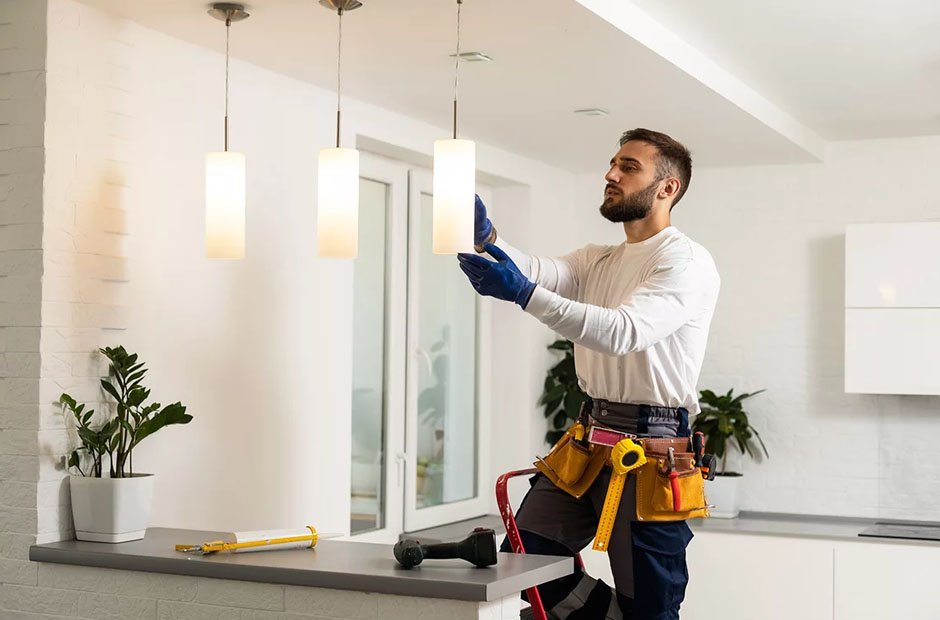
The most noticeable source of illumination in any room usually comes directly from above. In older homes, you might frequently encounter dated glass domes, heavy brass chandeliers, or single, harsh pendant bulbs that cast unflattering, downward shadows. Replacing these outdated fixtures is undeniably one of the quickest ways to change a room’s entire aesthetic. By swapping heavy traditional fittings for contemporary ceiling lights, you can instantly draw the eye upward and make the room feel significantly taller and more expansive. Modern fixtures often utilise clean lines, sculptural shapes, and subtle metallic or matte finishes. These contemporary designs introduce a sophisticated contrast against classic period features like decorative cornicing, picture rails, or intricate ceiling roses. This deliberate blend of old and new creates a curated, transitional interior style that remains highly sought after in today’s competitive property market. Furthermore, upgrading to newer fixtures often means taking advantage of energy-efficient LED technology, which dramatically reduces household electricity consumption and lowers utility bills without compromising on brightness.
The Psychological Benefits of a Brighter Environment
Lighting does much more than simply help us navigate our surroundings safely. It fundamentally alters how a space feels and heavily influences how we behave within it. Poorly lit rooms can make a house feel cramped, dreary, and uninviting, whereas a carefully planned lighting scheme actively promotes comfort and emotional well-being. Exploring the psychological impact of light reveals that a thoughtful blend of natural and artificial illumination actively enhances relaxation and significantly reduces stress levels for the occupants. Upgrading your fixtures is therefore not just a superficial cosmetic improvement. It is a scientifically proven method to turn a gloomy, older property into a calming, restorative sanctuary for your family and guests.
Practical Strategies for a Modern Scheme
To achieve a truly modern feel, it is absolutely essential to move away from relying on a single, central light source. Modern interior design heavily favours a layered approach, ensuring that every part of the room serves both a practical and atmospheric purpose.
Implementing a fresh lighting design does not have to be overwhelmingly complicated or excessively expensive. Consider the following actionable steps to effectively refresh your older home:
- Install dimmer switches: Adding modern dimmers to your main living areas gives you ultimate control over the intensity of your lighting. This allows you to transition effortlessly from bright, practical illumination during the day to a soft, relaxing glow in the evening.
- Layer your sources: Combine your overhead fixtures with strategically placed floor lamps, table lamps, and wall sconces. This method eliminates harsh shadows and creates a warm, inviting depth that older homes often lack.
- Highlight architectural details: Use directional spotlights or discreet LED strips to accentuate the charming heritage features of your older property, such as exposed timber beams, arched alcoves, or original brick fireplaces.
- Adopt consistent colour temperatures: Ensure all your light bulbs emit a similar colour temperature. Warm white bulbs (around 2700K) are usually ideal for creating a cosy, unified feel throughout traditional residential spaces.
Updating an older property does not always require planning permission, extensive structural work, or a massive renovation budget. By carefully selecting new, stylish fixtures and adopting a multi-layered approach to illumination, you can easily bridge the gap between historic charm and modern living requirements. Strategic lighting upgrades not only enhance the immediate visual appeal of your home but also improve your daily psychological well-being, proving that the right illumination is one of the most powerful and accessible tools in modern interior design. As you embark on your home improvement journey, remember that lighting sets the tone for everything else in the room. A well-lit house is a happy house, allowing you to enjoy your heritage property for many decades to come.