Key Takeaways
- Dog bite incidents can often be prevented through proper education, community measures, and responsible care.
- Children are statistically more likely to be victims and can suffer more severe injuries.
- Reading a dog’s body language is an important skill to avoid risky encounters.
- Training, socialization, and safe ownership reduce a dog’s potential for aggression.
- Local regulations and community programs play an important role in overall bite prevention.
Dog bites represent a growing public health issue across the United States, impacting millions of individuals and families each year. People of all ages can be victims, but children face the highest risks for both bite frequency and severity. By understanding the causes of dog bites and taking practical preventive steps, communities can dramatically reduce the rate of these incidents. For those seeking dedicated legal support following a dog-related injury, a dog bite attorney in Florida can provide guidance and assistance on potential next steps.
Easing the impact of dog bites requires continuous awareness and the cooperative efforts of pet owners, communities, and local authorities alike. Recognizing a dog’s behavioral cues and knowing when to give space are early lines of defense. At the same time, implementing proactive educational strategies and regulations can help foster safer spaces for everyone, whether at home, in parks, or on public streets.
Understanding the Scope of Dog Bites
The data on dog bites is sobering. The American Veterinary Medical Association (AVMA) reports that each year, over 4.5 million people in the United States experience a dog bite, with children facing the highest risk for both incidents and injuries. Dog bites escalate into significant medical issues, often requiring emergency care, with many leading to infections, scarring, or psychological trauma. Addressing this problem properly requires collaboration between pet owners and community leaders, backed by education and consistent preventive strategies. According to the Centers for Disease Control and Prevention (CDC), these incidents place a considerable burden on healthcare systems each year.
Recognizing Dog Body Language
One of the simplest and most effective preventive measures is to learn the signs that indicate when a dog may feel threatened, anxious, or aggressive. A dog’s body language can serve as an early warning system, offering critical cues well before a bite occurs. For example:
- Stiff posture coupled with raised hackles
- Baring of teeth or frequent lip licking
- Deep growling, excessive barking, or intense staring
- Avoidance behaviors, such as turning the head or backing away
People who notice these signals should give the animal space and avoid direct engagement. By promoting public awareness around canine body language, communities can help to lower the risk of escalating situations and potential injuries.
Training and Socialization
A cornerstone in bite prevention is ensuring that dogs receive both proper training and early socialization. Socializing dogs, especially during their first few months, means gradually exposing them to a variety of people, environments, and other animals. This helps reduce fear-based aggression and conditions pets to handle change more calmly. On top of this, consistent reinforcement of commands like “sit,” “stay,” “leave it,” and recall teaches dogs self-control and responsiveness. Positive reinforcement methods, as recognized by the American Kennel Club, are the most effective way to encourage good behavior and prevent aggression from taking root.
Responsible Pet Ownership
Safe communities begin with responsible pet owners taking proactive steps to safeguard both their dogs and the public. This includes:
- Scheduling regular check-ups and vaccinations per veterinary guidance
- Spaying or neutering to decrease aggression and wandering tendencies
- Ensuring that fences and barriers are secure to prevent escapes
- Using leashes in public spaces and adhering to leash laws
Responsible pet care means understanding a dog’s breed tendencies, considering temperament when adopting, and always supervising dogs around vulnerable individuals, such as small children and the elderly.
Community Involvement and Legislation
Communities themselves play an important role. Cities such as San Antonio have adopted comprehensive ordinances, including mandatory sterilization for pets found roaming and steeper fines for repeat offenses related to dog attacks and neglect. Such approaches not only deter owners from irresponsible behavior but also help reduce stray populations. Community partnerships with animal control, rescue groups, and educational outreach programs are vital components in long-term prevention, as noted by the AVMA’s dog bite prevention resources.
Educating Children on Dog Safety
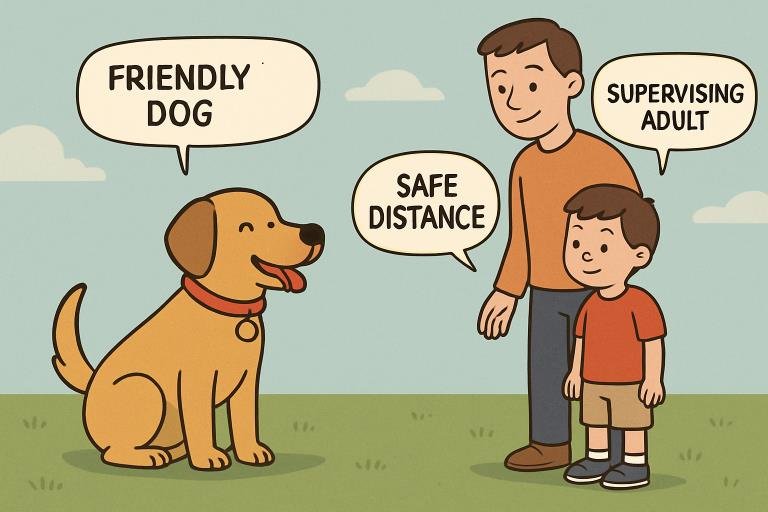
Children are at the highest risk of suffering dog bites, especially on the face and head. To reduce their vulnerability, teaching children safe behavior around dogs is essential:
- Never approach dogs you do not know, regardless of size or friendliness
- Always ask the owner’s permission before reaching out to pet a dog
- Avoid disturbing dogs when they’re eating, sleeping, or caring for puppies
The involvement of parents and teachers in modeling appropriate interactions and constant supervision when children are in the presence of dogs cannot be overstated. The American Academy of Pediatrics provides excellent guidelines for caregivers and educators on this topic.
What to Do If Bitten
If someone is bitten by a dog, swift and careful action is important to minimize the risk of infection and complications:
- Immediately wash the wound with soap and water
- Apply an antiseptic to the injury
- Seek professional medical evaluation for all bites, especially those that break the skin
- Report the bite to local animal control or health departments as recommended by the ASPCA’s safety guidelines
Final Thoughts
Mitigating dog-bite risks requires strong collaboration among pet owners, communities, and local authorities. Raising awareness of dog behavior, investing in early training and socialization, and following local legislation form a multi-layered approach to public safety. By working together and consistently prioritizing education and responsibility, neighborhoods can provide a safer environment for both residents and their canine companions.