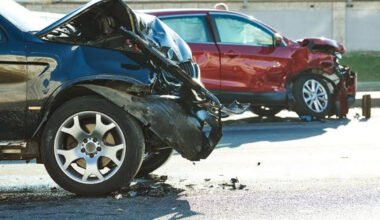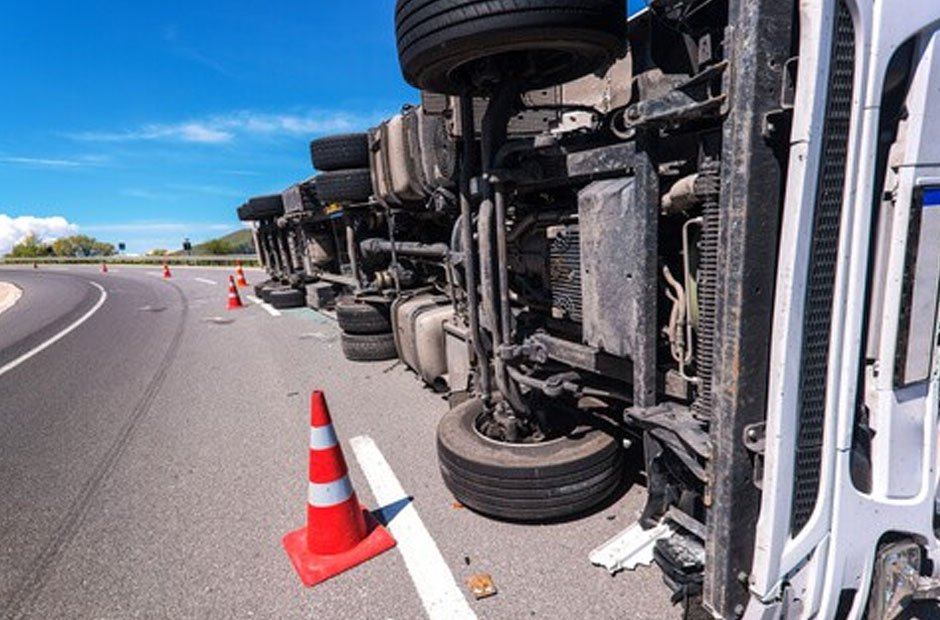
Truck crashes in Fort Wayne leave you shaken, hurt, and confused. One moment you are driving home. Then a huge truck slams into your car. You face pain, bills, and questions. You deserve clear answers. You also deserve to know why this happened. Many truck crashes come from the same reckless choices. Tired drivers. Distracted driving. Poor truck upkeep. Careless loading. Speed in heavy traffic. Each choice puts your life at risk. You cannot control a truck driver or a trucking company. You can control what you know and how you respond. This guide explains the most common causes of truck accidents in Fort Wayne. It helps you see what went wrong and who may be responsible. If a crash has changed your life, a Commercial truck accident attorney Fort Wayne can help you protect your rights and demand fair treatment.
Why large trucks create such severe crashes
A loaded tractor trailer can weigh up to 80,000 pounds. Your car often weighs under 4,000 pounds. That size gap turns even a slow crash into a brutal hit. Stopping distance for a truck is longer. Blind spots are larger. Turning space is wider. Any careless act behind the wheel of a truck can crush a smaller vehicle. Federal safety rules try to reduce this risk. You still face danger when drivers and companies ignore those rules.
For basic facts on truck size and limits, you can review the Federal Motor Carrier Safety Administration rules at https://www.fmcsa.dot.gov/regulations/title49/b/5/3.
Common causes of truck accidents in Fort Wayne
Most truck crashes come from a few repeated choices. You see the same patterns on I 69, US 30, and local streets.
- Tired driving
- Distracted driving
- Speed and tailgating
- Impaired driving
- Poor truck upkeep
- Unsafe loading and cargo shifts
- Inexperienced or rushed drivers
- Dangerous weather and poor planning
Each cause is preventable. Each comes from a decision to ignore safety rules or common sense.
Tired truck drivers
Driver fatigue is one of the most common triggers for truck crashes. Long hours, night driving, and tight delivery times push drivers past their limits. A tired driver reacts slow and may even fall asleep. Federal rules limit driving hours, but some drivers or companies push past those limits.
Warning signs of a tired truck driver include:
- Truck drifting in and out of a lane
- Sudden braking for no clear reason
- Slow starts at green lights
If you see these signs, give the truck more space. You cannot fix the driver’s fatigue. You can lower your risk.
Distracted driving in large trucks
Distraction can turn a moving truck into a weapon. A driver who looks at a phone for three seconds at highway speed can pass a football field length without watching the road. Distraction also comes from food, navigation screens, and even company messages.
Common truck driver distractions include:
- Texting or scrolling
- Using a handheld phone
- Adjusting GPS or music
- Eating while driving
Federal rules ban texting and handheld phone use for commercial drivers. You can read more on distracted driving risks from the Centers for Disease Control and Prevention at https://www.cdc.gov/transportationsafety/distracted_driving/index.html.
Speed and tailgating
Speed multiplies the force of a crash. A heavy truck that speeds or follows too close cannot stop in time. Wet roads, construction zones, and city traffic make this even worse. Some trucking companies reward fast deliveries. That pressure can encourage risky speed.
You can reduce your risk by:
- Avoiding sudden lane changes in front of trucks
- Leaving extra space when merging
- Letting speeding trucks pass instead of racing them
Poor truck upkeep and mechanical failure
Trucks need regular checks. Worn brakes, bald tires, and broken lights create danger for everyone on the road. Federal rules require inspections. Some companies cut corners to save time and money. A single missed repair can cause a jackknife, blowout, or rollover.
Common upkeep failures include:
- Brake systems that overheat or fail
- Tires with low tread or wrong pressure
- Broken or dirty mirrors
- Nonworking turn signals or brake lights
Unsafe loading and cargo problems
Cargo must be loaded with care. Weight must sit low and balanced. Straps and chains must hold firm. If cargo shifts in a turn or during a sudden stop, the truck can roll over or lose its load. Loose freight can slam into your car or block the road.
Risk grows when:
- Loads exceed weight limits
- Cargo sits too high
- Straps are old or worn
- Hazardous materials are not marked
Impaired or inexperienced drivers
Driving a large truck takes skill and training. New drivers need time and careful guidance. A driver who lacks training on winter roads, city streets, or backing into tight spots can cause harm. The risk climbs higher when a driver uses alcohol, drugs, or misused pills. Any impairment slows reaction and judgment.
Warning signs of an unsafe driver include:
- Wide turns that cross into oncoming lanes
- Swerving or sudden overcorrection
- Late braking at red lights or stop signs
Weather, road design, and poor planning
Northeast Indiana roads see snow, ice, fog, and heavy rain. These conditions demand lower speeds and longer following distance. Trucks that do not adjust to weather can skid or jackknife. Poor planning, such as using narrow streets or low bridges, creates added risk for nearby drivers.
You can protect yourself by:
- Expecting trucks to need more space on wet or icy roads
- Staying out of truck blind spots near ramps and tight turns
- Planning your own route to avoid known truck congestion when possible
How common truck crash causes compare
The table below shows how different causes of truck crashes often affect you. It also shows which groups can help prevent each cause.
| Cause | Main risk to you | Who controls it | How you can respond
|
| Tired driving | Slow reaction, rear end crashes, lane drift | Driver and trucking company | Give extra space. Avoid driving long beside a weaving truck. |
| Distracted driving | Sudden lane changes or late braking | Driver | Watch for drifting or uneven speed. Create distance fast. |
| Speed and tailgating | High force rear end or side impact crashes | Driver and company dispatch | Move out of the lane. Let speeding trucks pass. |
| Poor upkeep | Brake failure, blowouts, rollovers | Trucking company and mechanics | Avoid driving beside trucks with smoking brakes or shaky trailers. |
| Unsafe loading | Lost cargo, rollovers, blocked roads | Shippers and trucking company | Do not follow flatbeds too close. Change lanes if cargo looks loose. |
| Weather and planning | Skids, jackknifes, multi car pileups | Driver and company | Slow down early. Increase distance from trucks in bad weather. |
What you can do after a truck crash
After a truck crash, you may feel alone. You are not. Federal and state rules exist to protect you. Many crashes trace back to clear rule breaking. Your steps in the first hours and days matter.
Try to:
- Call 911 and report every injury, even if it seems small
- Get medical care soon to document your pain and limits
- Take photos of the scene, vehicles, skid marks, and road signs
- Collect names and contact details for witnesses
- Keep records of medical visits, missed work, and symptoms
Truck crashes often involve multiple companies and complex records. Those can include driver logs, GPS data, and upkeep reports. A careful review of these records can show exactly which choices led to your harm and which parties should answer for it.