Plumbing is the silent backbone of a comfortable home. From the moment you wake up and take a hot shower to the late-night convenience of functional drainage, we rely heavily on a complex network of pipes and fixtures. However, because much of this system is hidden behind walls or under floors, it is often neglected until a major problem arises. Understanding how to maintain your system and knowing when to call in the professionals is key to avoiding costly repairs and ensuring your home remains a sanctuary.
Why Your Hot Water System Matters
One of the most significant components of any modern Australian home is the water heating unit. For many, the choice of a gas hot water system remains the gold standard for efficiency and reliability. Unlike electric heaters that can take time to recover once the tank is empty, modern gas systems often provide continuous flow, ensuring that the last person to shower gets the same warmth as the first.
Regular maintenance of these systems is crucial. Sediment buildup can reduce efficiency and lead to corrosion within the tank. By scheduling an annual check-up, you can extend the lifespan of your unit and ensure that your energy bills remain manageable. If you notice strange noises coming from your tank or a fluctuation in water temperature, it is likely time to consult a specialist who understands the intricacies of thermal dynamics and pressure valves.
Recognizing the Signs of Plumbing Fatigue
Most plumbing disasters don’t happen overnight; they provide subtle warnings that are often ignored. Homeowners should develop a keen eye for these red flags to prevent minor leaks from turning into catastrophic structural failures. Some of the most common signs include:
- Low Water Pressure: This could indicate a leak in your line or significant mineral buildup within the pipes. If you notice a sudden drop in pressure at a single faucet, the aerator might be clogged, but if it affects the whole house, the issue is likely deeper in the system.
- Slow Drainage: A persistent slow drain in the kitchen or bathroom usually points to a partial blockage that will eventually lead to a full overflow. This is often caused by hair, soap scum, or solidified grease that has narrowed the passage of the pipe.
- Unexplained Puddles: If you see damp spots on your lawn or near the base of your walls, you might have a burst pipe. In some cases, lush, green patches of grass in an otherwise dry yard can signal a sewage leak that is inadvertently fertilizing the soil.
- Discolored Water: Rusty or brown water is a clear indicator that your pipes are corroding from the inside out. This is particularly common in older homes with galvanized steel pipes that have reached the end of their functional lifespan.
Addressing these minor inconveniences early can save you thousands of dollars in water damage restoration and mold remediation later.
When an Issue Becomes an Urgent Crisis
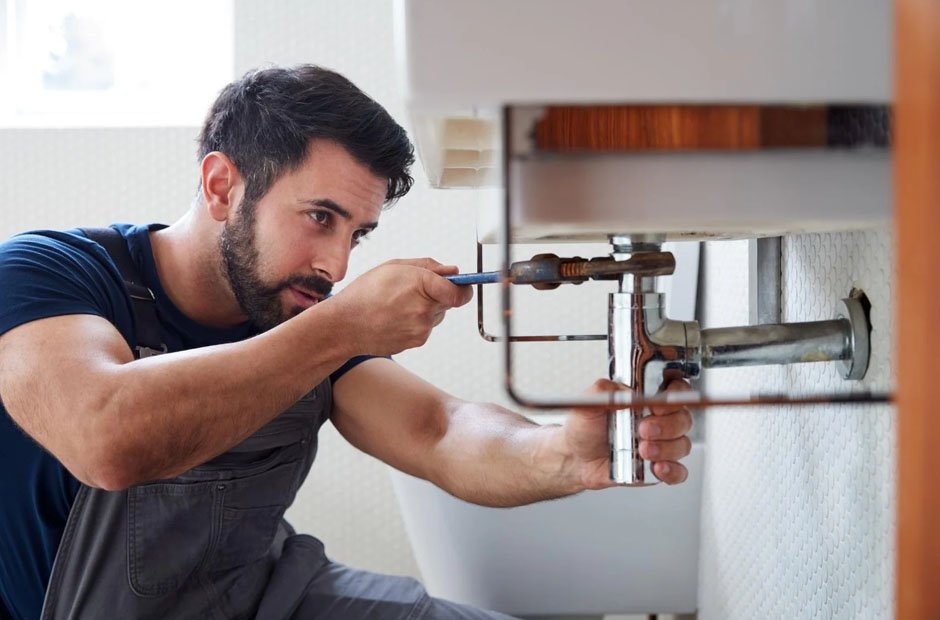
Despite our best efforts at maintenance, emergencies happen. Whether it’s a burst pipe in the middle of the night or a severely blocked sewer line on a public holiday, some situations cannot wait until Monday morning. In these high-pressure moments, trying to “DIY” a solution with a plunger or a store-bought chemical cleaner can often make the damage worse.
This is exactly when you need a reliable emergency plumber who can respond quickly to mitigate damage. A professional emergency service understands that water damage happens in minutes, not hours. They have the specialized tools, such as high-pressure water jetters and CCTV pipe cameras, to identify and fix the root cause of the problem immediately. Rapid response is the difference between a simple pipe repair and having to replace your entire hardwood flooring or saturated drywall.
The Benefits of Professional Upgrades
Beyond repairs, upgrading your plumbing fixtures can significantly increase your property value and daily comfort. Modern “Green” plumbing solutions, such as low-flow toilets and sensor-activated taps, not only look sleek but also reduce your environmental footprint by conserving thousands of liters of water annually.
When you upgrade to a high-efficiency water heater or install a whole-home water filtration system, you are making an investment in the long-term health of your household. These upgrades often pay for themselves through reduced utility costs and fewer service calls over time. Furthermore, new installations often come with manufacturer warranties that provide an extra layer of financial protection for the homeowner.
Preventing Common Household Blockages
Prevention is always better than a cure. To keep your drains flowing freely and avoid the stress of a backup, follow these simple rules:
- Scrape the Plates: Never pour fats, oils, or grease down the kitchen sink. They might be liquid when hot, but they solidify in the pipes as they cool and act as “glue” for other debris, eventually creating a “fatberg.”
- Use Drain Guards: Mesh screens in the shower can catch hair and soap scum before they enter the drainage system. This simple, inexpensive tool can prevent the vast majority of bathroom clogs.
- Watch the Toilet: Only flush human waste and toilet paper. Even products labeled as “flushable wipes” do not break down in the same way paper does and are notorious for causing major blockages in the main sewer lines.
Conclusion: Peace of Mind for Your Home
Maintaining a healthy plumbing system requires a combination of mindful daily habits and professional expertise. By being proactive rather than reactive, you ensure that your home remains functional and safe. It is always wise to keep the contact details of a local plumbing professional readily available on your fridge or saved in your phone.
Don’t wait for a flood to think about your pipes. Be proactive, stay observant, and always prioritize quality workmanship when it comes to the water flowing through your home. A well-maintained system is more than just a convenience—it is an essential part of home ownership that provides peace of mind for years to come. By respecting the complexity of your home’s infrastructure, you protect your most valuable asset.