Key Takeaways
- Quick recognition and appropriate first aid response to pet emergencies can make a life-saving difference.
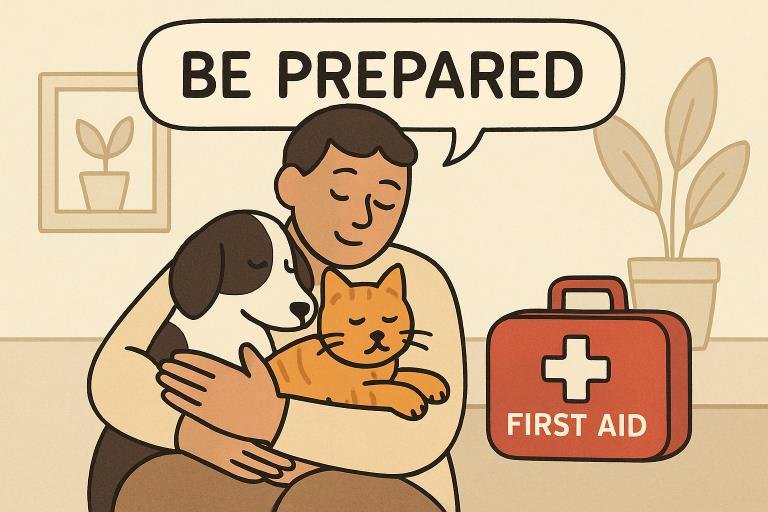
- Having a comprehensive pet first aid kit allows for immediate intervention before professional help arrives.
- Ongoing training and preparedness strengthen your ability to respond effectively when emergencies occur.
Ensuring your pet is safe and healthy during emergencies starts with awareness and preparation. Emergencies can happen at any moment, and knowing how to respond swiftly can make all the difference. Not only does readiness help you feel more in control, but it also increases your pet’s chances of a full recovery. For those residing in the area, knowing where to seek professional help, such as Emergency Services in Hebron CT, can save crucial minutes during a crisis. From natural disasters to accidental injuries, having a plan and knowing basic first aid are cornerstones of responsible pet ownership. The steps you take before and during an emergency can reduce stress, prevent complications, and ensure the best possible outcome for your beloved animals. It is important to familiarize yourself with common emergencies, keep necessary supplies on hand, and have clear communication channels for veterinary support. Access to reliable information and professional resources is essential. By maintaining a proactive approach and regularly updating your emergency plans, you equip yourself to handle a variety of situations calmly and efficiently. Additionally, major animal welfare organizations like the ASPCA Animal Poison Control Center provide invaluable guidance and emergency numbers for immediate advice, adding another layer of preparedness to your emergency toolkit.
Common Pet Emergencies and First Aid Responses
Being able to identify and react promptly to common emergencies is vital for every pet owner. Quick action can stabilize a pet’s condition before veterinary care is accessible.
- Bleeding Injuries: Use a clean cloth or gauze to apply firm, direct pressure to the wound. If heavy bleeding persists beyond five minutes, immediate veterinary attention is needed to prevent shock or further harm.
- Heatstroke: If your pet shows signs such as excessive panting, drooling, or weakness, move them to a cooler environment. Offer small amounts of water, then cool their paws and ears with a moistened cloth. Avoid cold water, as it may cause shock. Make sure to consult a veterinarian even if your pet appears to recover quickly.
- Poisoning: Pets can accidentally ingest harmful substances from household products or plants. If this occurs, promptly contact your veterinarian or the Pet Poison Helpline at 800-213-6680. Do not induce vomiting unless directed by a professional.
Assembling a Comprehensive Pet First Aid Kit
A well-prepared pet first aid kit is a must-have in every household. Tailor your kit to your pet’s specific needs and keep it easily accessible. Include items such as:
- Sterile gauze and bandages for treating wounds
- Antiseptic wipes to reduce infection risk
- Digital thermometer for monitoring temperature
- Tweezers to remove splinters, ticks, or debris
- Hydrogen peroxide for cleaning wounds (only use as directed)
- List of emergency contact numbers
Training and Preparedness for Pet Emergencies
Knowledge expands your options in critical moments. Consider enrolling in a pet first aid course. The American Red Cross offers a comprehensive Cat and Dog First Aid course online that covers vital signs assessment, CPR, and handling common crises. The more you practice, the more confident you will be in a real emergency. More details and access to their digital resources can be found directly on the American Red Cross website.
Maintaining Updated Emergency Contacts
Keep a visible and regularly updated list of essential contacts. This should include your regular veterinarian, the nearest 24-hour animal hospital, and national poison control hotlines. A quick reference list can eliminate wasted time searching for help during high-stress moments and ensure that everyone in your household knows who to call.
Developing an Evacuation Plan Including Pets
Evacuations may occur without warning due to disasters like fires, floods, or storms. Prepare ahead by identifying pet-friendly hotels, shelters, or friends’ houses. Practice loading your pet into their carrier and ensure you have leashes on hand. Document your pet’s microchip and ID tag information, and keep the paperwork with your emergency supplies.
Post-Emergency Care and Monitoring
After any emergency, observe your pet closely for physical or behavioral changes. Symptoms such as lethargy, loss of appetite, or persistent hiding might suggest lingering injury or stress. Schedule a follow-up with your veterinarian if anything seems amiss, even if injuries appear minor at first. Routine monitoring plays a key part in full recovery and long-term health.
Conclusion
Being prepared for pet emergencies is a cornerstone of responsible pet ownership. By learning to quickly recognize common crises, assembling a well-stocked first-aid kit, and maintaining updated emergency contact information, pet owners can act decisively when every minute counts. Training in pet first aid and developing evacuation plans further strengthen your readiness, helping to reduce stress and improve outcomes during critical situations. Post-emergency monitoring ensures that your pet recovers safely and any lingering issues are addressed promptly. Ultimately, a proactive approach that combines knowledge, tools, and planning not only protects your furry companions but also gives you the confidence to respond calmly and effectively. Regularly reviewing and practicing these strategies keeps you and your pets prepared for a variety of unexpected events, reinforcing both safety and peace of mind.