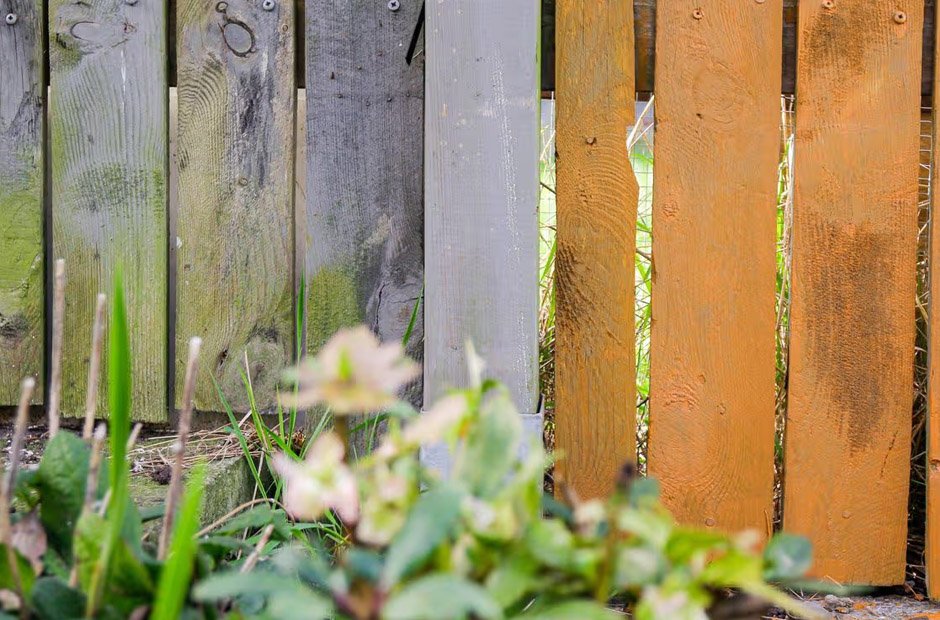
Wooden fences, decks, pergolas, and other outdoor structures naturally change over time. One of the most noticeable changes is the appearance of green stains or patches that gradually spread across the surface. These marks often appear first in corners, along the bottom edges of fences, or in shaded areas where sunlight rarely reaches. While many homeowners assume the discoloration is simply dirt, the green tint usually points to biological growth influenced by moisture, shade, and environmental conditions.
Understanding why these green stains develop is important for maintaining outdoor wood. The discoloration is not just cosmetic; it often signals the presence of algae, moss, or mildew that can hold moisture against the wood surface. Over time, this trapped moisture can contribute to premature aging, surface breakdown, and uneven weathering.
The Role of Moisture in Green Discoloration
Moisture is the primary factor behind green staining on outdoor wood. Wood is naturally porous, meaning it absorbs water from rain, humidity, irrigation, and even morning dew. When moisture lingers on the surface, it creates an ideal environment for microorganisms to grow.
Unlike metal or plastic materials, wood retains moisture longer, especially when it has not been sealed recently. Small cracks, grain patterns, and surface imperfections allow water to collect. Once moisture settles in these areas, algae spores—present almost everywhere in the environment—begin to grow.
This is why green stains often appear:
- Near the ground where soil moisture rises
- Along horizontal rails that trap water
- On north-facing sides of fences
- Under trees where rainfall evaporates slowly
- In areas blocked from wind and airflow
When moisture repeatedly accumulates, the growth cycle accelerates. Even if the wood dries during the day, consistent overnight humidity can sustain algae growth.
How Algae Forms on Wooden Surfaces
The green color commonly seen on fences is typically caused by algae. Algae are simple plant-like organisms that thrive in damp environments. They do not require soil to grow, only moisture and minimal sunlight.
Outdoor wood provides the perfect surface. The rough texture allows algae to attach easily, and once established, it spreads quickly. The growth often begins as faint green patches but gradually becomes darker and more noticeable.
Algae growth tends to be more visible in:
- Humid climates
- Areas with frequent rainfall
- Yards with limited sunlight
- Surfaces exposed to irrigation overspray
- Wooden structures near gardens or lawns
Unlike mold, algae typically remain on the surface, but they still retain moisture. This constant dampness can lead to additional issues, including wood graying, mildew growth, and uneven staining.
Shade and Limited Sunlight
Sunlight naturally inhibits algae growth by drying surfaces and reducing moisture retention. When fences or outdoor wood remain in shade for long periods, moisture evaporates slowly. This creates an environment where algae can thrive.
Tree-covered yards are especially prone to green staining. Branches block sunlight while leaves trap moisture. Additionally, falling debris from trees collects along fence lines, further holding moisture against the wood.
Structures that commonly experience heavy shade include:
- Fences along property lines with tall trees
- Pergolas covered by vines
- Deck railings under roof overhangs
- Privacy fences between houses
- Garden structures surrounded by landscaping
In these areas, even small amounts of humidity can encourage algae growth. Over time, the shaded sections appear noticeably greener than sun-exposed portions.
Humidity and Climate Conditions
Climate plays a major role in how quickly green stains develop. Regions with higher humidity levels tend to see faster algae growth. Moist air slows evaporation, keeping wooden surfaces damp for longer periods.
Even in areas that are not traditionally humid, seasonal weather can create the same effect. For example:
- Spring rainfall increases moisture exposure
- Summer humidity encourages growth
- Autumn leaves trap water against fences
- Winter thaw cycles reintroduce moisture
Repeated wet-dry cycles also contribute to staining. Each time wood becomes wet and then partially dries, it creates ideal conditions for algae to expand.
Wind exposure can also influence staining. Fences located in sheltered areas dry slower than those exposed to open airflow. As a result, two fences in the same yard may weather very differently depending on airflow and sunlight.
Irrigation and Landscaping Influence
Another often overlooked cause of green staining is irrigation. Sprinklers that hit fences daily provide consistent moisture. Even a small amount of overspray can maintain a damp surface long enough for algae to grow.
Landscaping elements also contribute to moisture buildup:
- Dense shrubs near fences
- Mulch beds that hold water
- Flower beds with frequent watering
- Climbing plants attached to wood
- Grass growing directly against fence boards
These conditions reduce airflow and keep surfaces damp. Over time, algae spreads across the wood, creating uneven green patches.
Surface Age and Wood Condition
Older wood is more susceptible to green staining. As wood ages, protective coatings wear away. The surface becomes more porous, allowing it to absorb moisture faster. Small cracks and grain separation also create additional areas where algae can attach.
Unsealed wood typically develops green stains sooner than sealed or stained surfaces. Once protective layers break down, the wood begins absorbing water more easily. This accelerates discoloration.
Additionally, rough-sawn wood tends to hold more moisture than smooth surfaces. Fences built with textured boards often show green staining earlier than planed lumber.
The Difference Between Algae, Moss, and Mildew
Although green stains are usually algae, other organisms may also appear on outdoor wood.
Algae
This is the most common cause of green discoloration. It appears as a thin, green film across the surface.
Moss
Moss appears thicker and more textured. It often grows in clumps and typically develops in heavily shaded areas.
Mildew
Mildew usually appears as gray, white, or slightly green patches. It grows in damp conditions but may spread differently than algae.
These growths often occur together. Algae may appear first, followed by mildew in persistently damp areas.
Why Green Stains Spread Over Time
Green discoloration rarely stays contained. Once algae establish themselves, they spread through spores carried by wind, rain, and irrigation. These spores settle in nearby damp areas and begin growing.
Factors that accelerate spreading include:
- Continuous moisture exposure
- Shaded conditions
- Lack of cleaning
- Aging wood surfaces
- Organic debris buildup
If left untreated, the discoloration can expand across the entire structure. It may also cause uneven coloring if the wood is later stained without proper preparation.
Preparing Wood for Staining or Sealing
Before staining or resealing outdoor wood, many homeowners focus on removing algae and buildup. Surface contaminants can prevent stains from absorbing evenly, leading to patchy results.
Cleaning helps restore the wood surface and remove biological growth. In some cases, homeowners use Wheaton IL exterior power washing services to clear algae buildup before applying stain or sealant. This step can help expose the natural grain and remove moisture-trapping residue.
However, preparation methods vary depending on wood condition, age, and prior coatings. The goal is typically to remove surface growth while avoiding damage to the wood fibers.
Preventing Green Stains from Returning
Although green stains are common, certain conditions influence how quickly they return. Moisture control is the most effective prevention approach.
Improving airflow around fences can help reduce moisture retention. Trimming nearby plants, removing debris, and minimizing irrigation overspray can also slow algae growth. Sunlight exposure plays an important role, so reducing shade where possible may also help.
Protective finishes can further reduce moisture absorption. Sealed wood tends to resist algae growth longer than untreated surfaces. Over time, however, all outdoor wood requires maintenance due to weather exposure.
Natural Weathering vs. Biological Growth
It is important to distinguish between normal wood weathering and algae staining. Weathered wood often turns gray due to UV exposure. This change is gradual and usually uniform.
Green staining, by contrast, appears in patches and tends to develop in damp areas. The two processes often occur together, creating mixed coloration across the surface.
This combination can make fences appear older than they actually are. Addressing moisture-related growth can help maintain a more consistent appearance.
Why Some Fences Turn Green Faster Than Others
Not all fences develop green stains at the same rate. Differences in environment, orientation, and construction all play a role.
Fences that face north usually receive less sunlight and remain damp longer. Structures located between houses may experience limited airflow. Wood installed close to the ground absorbs more moisture from soil.
Even nearby structures can create different conditions. A fence shaded by a garage may develop green patches, while another just a few feet away remains unaffected.
These variations explain why staining often appears unevenly across the same property.
Final Thoughts
Green stains on fences and outdoor wood are typically caused by algae thriving in moist, shaded environments. Factors such as humidity, irrigation, tree cover, and aging wood all contribute to the discoloration. While the stains are common, they indicate persistent moisture that may influence how wood weathers over time.
Understanding the environmental causes helps explain why some areas develop staining faster than others. Moisture retention, limited sunlight, and reduced airflow create ideal conditions for algae growth. As these elements combine, green discoloration gradually spreads across wooden surfaces.
Addressing buildup before maintenance treatments like staining or sealing can help restore the wood’s appearance and improve surface consistency. With proper attention to environmental conditions, the rate of future discoloration can often be reduced, allowing outdoor wood structures to age more evenly.