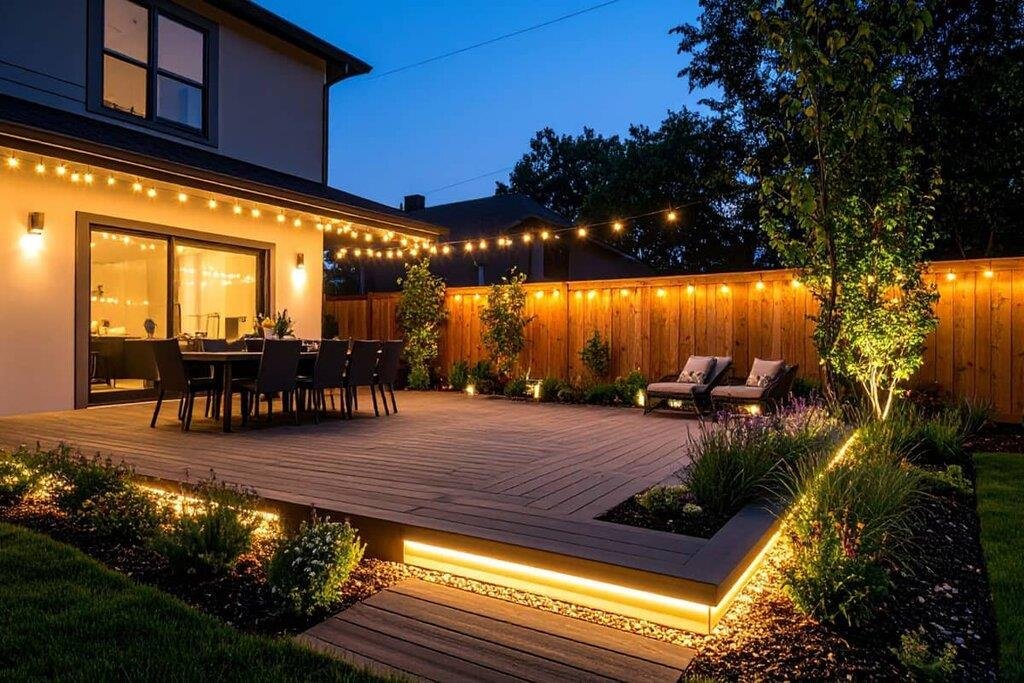
One of the most significant selling points of LED technology is its longevity. Unlike traditional incandescent bulbs that burn out after a few thousand hours, the best LED lights for outside are rated to last upwards of 50,000 hours—which, with average use, can mean over a decade of light. However, many homeowners are surprised when their system begins to dim, flicker, or shift color after only a couple of years.
The reality is that while the LED diode itself is durable, the system it belongs to is constantly under siege. Dirt, UV radiation, moisture ingress, and even biological growth can degrade performance. Maintaining durable outdoor LED strips isn’t difficult, but it does require a consistent, proactive approach. In this comprehensive guide, we will break down the essential maintenance protocols to protect your investment and keep your property glowing brilliantly.
The Anatomy of Aging: Why Outdoor LEDs Lose Their Luster
To maintain your lights, you must first understand what causes them to age. It isn’t just “time”; it is the accumulation of environmental stressors.
Lumen Depreciation vs. Catastrophic Failure
LEDs rarely “burn out” like a candle. Instead, they undergo “lumen depreciation,” where they gradually lose their brightness. In outdoor settings, this is often accelerated by Heat. If your LED strips are covered in dust, pollen, or cobwebs, they cannot dissipate heat effectively. For every 10°C increase in operating temperature, the lifespan of an LED can be cut in half.
Discoloration of the Lens
Even the best LED lights for outside are only as good as the material they are encased in. Over time, environmental pollutants and UV rays can cause a film to form on the silicone or polycarbonate diffuser. This film acts like a filter, absorbing light and making your 3000K warm white look muddy or yellow.
The Cleaning Protocol: More Than Just a Quick Rinse
Cleaning is the most basic yet most neglected part of LED maintenance. A clean light is a cool light, and a cool light is a long-lasting light.
The Right Cleaning Agents
Never use abrasive chemicals or high-pressure washers on your durable outdoor LED strips.
Soft Cloth and Mild Soap: Use a microfiber cloth with a diluted solution of pH-neutral dish soap. This removes bird droppings, tree sap, and salt crust without etching the silicone.
Avoid Alcohol-Based Cleaners: Certain solvents can cause silicone to swell or crack over time. Stick to water-based cleaning.
Handling Biological Growth
In humid or shaded areas, algae or lichen can grow on the mounting channels. If left unchecked, this growth can trap moisture against the seals. Gently scrub the channels (not the LED itself) with a soft brush to ensure water continues to drain away properly.
Managing the Surroundings: Plants and Pests
Your garden is alive, and that life can be a threat to your lighting.
Pruning for Airflow
Vegetation grows faster than most people realize. A flower bed LED strip that was perfectly placed in the spring might be completely engulfed by ferns by August. This blocks the light, but more importantly, it creates a “micro-climate” of high humidity and stagnant air around the strip.
The 3-Inch Rule: Keep a 3-inch clearance of air around any durable outdoor LED strips to ensure proper convection cooling.
Pest Control (The Chewing Threat)
Squirrels, mice, and rabbits have a strange affinity for the plastic insulation on low-voltage wires. During your maintenance check, inspect the exposed cables for “nicks” or chew marks. If the copper is exposed, it will corrode instantly in the rain. Use wire loom or conduit for any wires that are at ground level to prevent pest damage.
Seasonal Inspection: The Homeowner’s Checklist
The changing of the seasons is the best time to perform a “System Health Check.”
Spring: The Post-Winter Recovery
Winter is the hardest on your lights.
Check the Seals: Look at the end caps and connection points. Has ice expansion pulled them apart? Re-apply RTV silicone if necessary.
Inspect the Transformer: Ensure no insects have nested inside the power supply box over the winter.
Summer: The Heat Watch
Check for Sagging: High heat can soften some adhesives. Ensure the best LED lights for outside are still firmly seated in their channels.
Voltage Test: If you have added more lights to the system recently, check that the transformer isn’t running too hot.
Autumn: The Debris Sweep
Leaf Removal: Fallen leaves are a fire hazard and can trap moisture. Ensure your path lights and roofline strips are clear of leaf litter.
Troubleshooting Common Issues: What to Do When Things Go Wrong
Before you call a technician, check for these common, easily fixable problems.
Flickering or Intermittent Light
This is almost always a loose connection, not a faulty LED. In the outdoor world, vibrations from wind or thermal expansion can loosen screw terminals. Tighten the connections at the transformer first. If the flicker persists, check the “connectors” between the strips—moisture may have caused a tiny amount of oxidation that is breaking the circuit.
One Section is Dark
Because durable outdoor LED strips are often wired in parallel, one bad section doesn’t always kill the whole run. If a 3-foot section is dark, it means the internal circuit of that segment has failed. In a professional system, you don’t need to replace the whole 50-foot run; you can cut out the failed segment and solder/connect a new “patch” of the same LED type.
The “Invisible” Danger: Voltage Spikes and Surges
Outdoor lighting is essentially a giant antenna for electrical surges. Lightning strikes nearby or power grid fluctuations can send a spike through your low-voltage lines.
Surge Protection
To truly protect the best LED lights for outside, install a surge protector on the 110V/220V outlet where your transformer is plugged in. This is a small investment that can save thousands of dollars in hardware.
Dielectric Grease Application
Every time you open a connection for maintenance, apply a dab of dielectric grease. This non-conductive grease seals out moisture and prevents “arcing” between the pins, which is a common cause of mysterious controller failures.
Conclusion: A Small Effort for a Decade of Light
Maintenance is not about fixing things when they break; it is about preventing the break from happening in the first place. By dedicating just 30 minutes every few months to cleaning and inspecting your durable outdoor LED strips, you ensure that your home remains the most beautiful on the street.
The best LED lights for outside are an investment in your home’s security, value, and atmosphere. Treat them with the care they deserve, and they will reward you with a brilliant, reliable glow for years to come. Don’t wait for the dark to realize your lights need attention—keep them bright with a proactive maintenance heart.