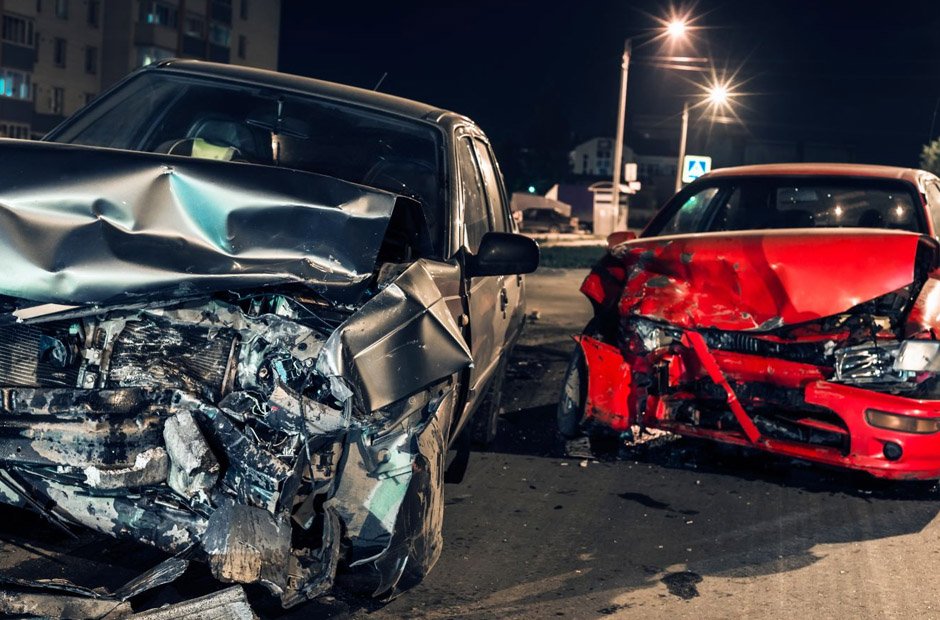
Car crashes in Utah leave you with shock, bills, and questions about who must pay. Fault decides whose insurance covers your losses and how much money you may receive. Utah uses special rules that mix no-fault benefits with fault-based claims. You must understand these rules before you talk to any insurance company. First, police reports and witness statements shape the story of what happened. Next, traffic laws and road signs show who broke the rules. Then, photos, skid marks, and damage patterns help prove speed, impact, and direction. Insurance adjusters use this evidence to argue fault. Courts use the same proof when people cannot agree. A single word in a statement can shift blame onto you. So, a small mistake can occur at the scene. If you feel unsure, an Orem auto accident lawyer can explain how Utah fault rules affect your rights after a crash.
Utah no fault rules and when fault matters
Utah is a no-fault state for basic injury claims. Your own insurance pays your first medical costs through Personal Injury Protection. This is true even if you did not cause the crash. You can read Utah’s rule in Utah Code 31A 22 307.
Yet fault still matters in three key ways.
- When your injury costs pass the no-fault limits
- When your injury meets Utah’s lawsuit threshold
- When there is major damage to a car or other property
Once you cross those lines, you may bring a claim against the driver who caused the crash. Then fault affects every dollar.
How Utah’s modified comparative fault works
Utah follows a modified comparative fault rule. A court or insurance adjuster gives each driver a share of fault as a percentage. Your share cuts your money by that same percent. If your share is 50 percent or higher, you get nothing from the other driver.
This table shows how fault changes a claim.
| Your fault percent | Total losses | Money you can collect | Result
|
| 0 percent | $60,000 | $60,000 | Full recovery |
| 10 percent | $60,000 | $54,000 | Cut by 10 percent |
| 30 percent | $60,000 | $42,000 | Cut by 30 percent |
| 49 percent | $60,000 | $30,600 | Cut by 49 percent |
| 50 percent | $60,000 | $0 | No recovery |
This rule creates fierce fights over a few percent of fault. A small shift can erase your claim.
Common sources of fault evidence
Evidence of fault often comes from three main sources.
- Official records. Police reports, crash diagrams, and citations
- Witness proof. Driver stories, passenger accounts, and bystander notes
- Physical proof. Photos, videos, skid marks, damage, and debris
Police reports matter, yet they are not final. An insurance adjuster or court can reach a different view of fault if new proof shows a different story.
How traffic laws shape fault decisions
Fault often turns on simple rules of the road. Utah traffic laws set clear duties for drivers. When a driver breaks one of these duties, fault grows fast.
Key questions include three points.
- Did a driver run a red light or stop sign
- Did a driver follow too close or speed
- Did a driver fail to yield at a turn, merge, or crosswalk
Utah’s traffic code lists these duties in detail. You can see core rules in the Utah Traffic Code 41 6a.
Typical crash types and how fault is viewed
Some crash patterns raise strong fault claims. Yet each crash still needs proof.
- Rear end crashes. The rear driver often carries most fault because drivers must keep enough space to stop
- Left turn crashes. The turning driver must yield to oncoming traffic. Fault often falls on that driver
- Side impact at intersections. Fault often ties to stop signs, lights, or right-of-way rules
Even in these patterns, shared fault can arise. A sudden stop, a hidden sign, or a speeding car can change the split.
How your own actions can raise or lower fault
Your choices before and after the crash affect the fault.
Before the crash.
- Using a phone or eating can suggest distraction
- Speeding or quick lane changes can suggest risk-taking
- Not using headlights in poor light can suggest poor care
After the crash.
- Words like “I am sorry” or “I did not see you” may sound like an admission
- Gaps in medical care can suggest your injury is minor
- Social media posts can clash with your pain claims
Simple steps protect you. You can stay calm, call 911, get medical care, take photos, and trade insurance details. You can avoid long talks about the fault at the scene.
When fault is unclear or shared
Many Utah crashes involve shared fault. Weather, road design, and many cars can blur the story. Insurance companies often try to raise your share of fault to cut what they must pay.
In these messy crashes, three actions help protect you.
- Collect names and contact details for every witness
- Take wide and close photos of the scene, cars, and marks on the road
- Write your own account the same day while memory is sharp
These steps give a clear record before memories fade or stories shift.
Why early choices about fault matter
Fault in a Utah car crash is not just a box on a form. It controls who pays your medical care, lost wages, and pain. It can strain your family budget and your sense of safety. Utah law gives you rights. It also sets strict limits. You can protect yourself by knowing how fault works, guarding your words, and gathering proof from the first moments after a crash.