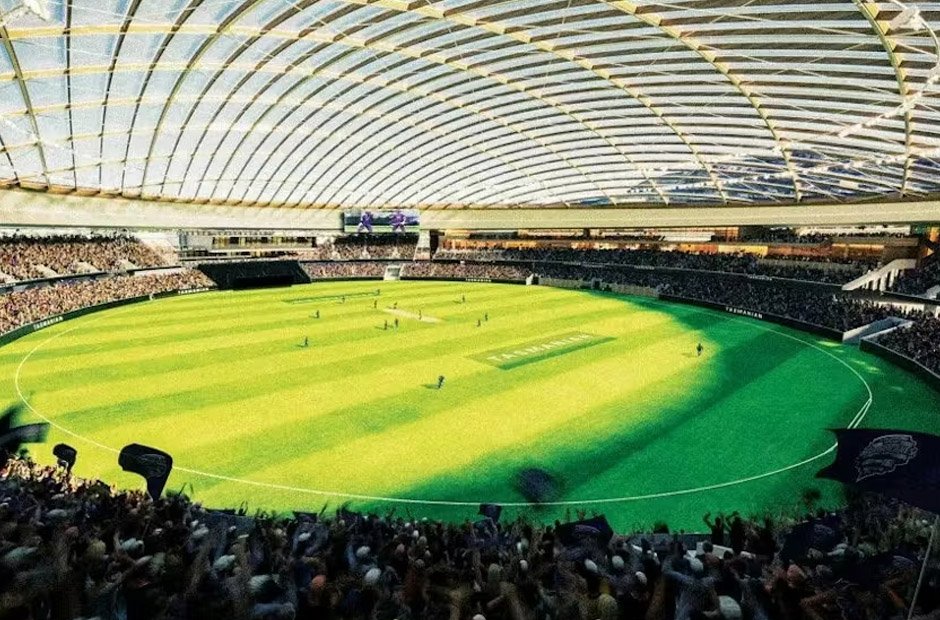
Today’s stadiums are far more than places for spectators to watch sports. They have evolved into vibrant entertainment destinations, fueled by pioneering advances in architecture, sustainability, and technology. Modern design emphasizes the fan’s experience while driving operational efficiency and community integration. Iconic new venues highlight how top builders like Tutor Perini have redefined standards in stadium construction.
As stadiums adopt progressive concepts, the focus remains consistently on enriching every visitor’s experience. Flexible layouts, enhanced comfort, and immersive technologies now shape not just the look and function of stadiums, but also their ability to engage diverse urban populations and global audiences.
Fan-Centric Design
Stadiums are increasingly focusing on the needs and desires of spectators. Fan-centric design means unobstructed sightlines and superb acoustics in every seat, along with comfortable seating and abundant premium experiences. Flexible, tiered seating enables stadiums to quickly adapt for concerts, esports competitions, and other entertainment events, multiplying year-round revenue opportunities.
Interactive concourses and digital engagement zones help fans become part of the action rather than just observers. Whether enjoying casual lounges or all-inclusive hospitality suites, visitors today expect variety, choice, and participation that match the latest entertainment trends.
Sustainability Initiatives
Environmental awareness is driving a new generation of stadium design. Features such as green roofs, solar panels, and on-site renewable energy systems have become benchmarks for eco-responsibility. The Johan Cruijff Arena in Amsterdam, for example, deploys thousands of solar panels combined with large-scale battery storage, allowing operations to run off-grid during peak events. Such initiatives not only help reduce the venue’s carbon footprint but also cut long-term operating expenses and support citywide sustainability efforts.
Technological Integrations
The smartest stadiums are leveraging advanced technologies to radically heighten the fan experience and streamline event management. High-definition LED screens, AR and VR platforms, and mobile ticketing transform how fans enjoy their favorite teams or performers. For example, some venues offer augmented reality features in team apps, allowing you to view live stats and replays instantly from your seat.
Behind the scenes, artificial intelligence controls lighting, HVAC systems, and even crowd movement, ensuring maximum comfort and safety. Facial recognition, biometric ticketing, and AI-powered security streamline entry and enhance protection for large crowds. These integrations set the stage for the stadium of the future, anticipating needs before guests even realize them.
Multi-Purpose Facilities
Modern stadiums are anchored in the community, serving as dynamic spaces long after the final whistle. The Tottenham Hotspur Stadium in London is a prime example, hosting domestic football, NFL games, big-name concerts, and local events. Sites are often designed with large retail areas, hotels, and public parks, which keep them lively and profitable beyond athletic seasons.
Flexible infrastructure enables rapid transformation between event types. Removable seating, retractable roofs, and robust audio-visual systems mean that the stadium can host vastly different audiences from day to night.
Modular and Portable Structures
Efficient and adaptable design is essential for current and future stadiums. Modular construction uses prefabricated components to speed up build times, lower costs, and reduce environmental impact. Qatar’s Stadium 974 demonstrates this approach, being assembled entirely from shipping containers and modular steel frames. Once events conclude, it can be disassembled and relocated or repurposed for other uses, minimizing construction waste and long-term disruption.
Enhanced Training and Recovery Areas
Modern stadiums are more than spectator venues; they have become high-performance hubs for athletes. These facilities integrate cutting-edge training zones, advanced recovery rooms with cryotherapy and hydrotherapy options, and comprehensive medical suites.
Spaces dedicated to athlete wellness and preparation benefit not only the competing teams. They also serve as a recruitment draw for star talent, ensuring that every trained professional has access to tools that optimize performance and extend careers.
Contextual and Cultural Adaptation
A thoughtful stadium design harmonizes with its physical setting and cultural history. Open-air venues and natural ventilation are ideal for warm climates, while features such as retractable roofs and heated seating are more suited to chillier locations. Architects are increasingly embracing local materials and motifs to reflect the spirit of their communities, connecting the architecture to regional traditions and values.
This approach fosters a sense of ownership and pride among fans, solidifying the stadium’s status as a beloved local landmark.
Conclusion
Stadiums have transformed into dynamic engines for entertainment, sustainability, and community growth. By centering fans, prioritizing green technology, embracing versatility, and honoring cultural context, today’s venues offer extraordinary experiences and enduring value. With ongoing advances and the creativity of world-class builders, stadium design will continue to evolve, defining city skylines and reshaping how we celebrate sports and live events together.