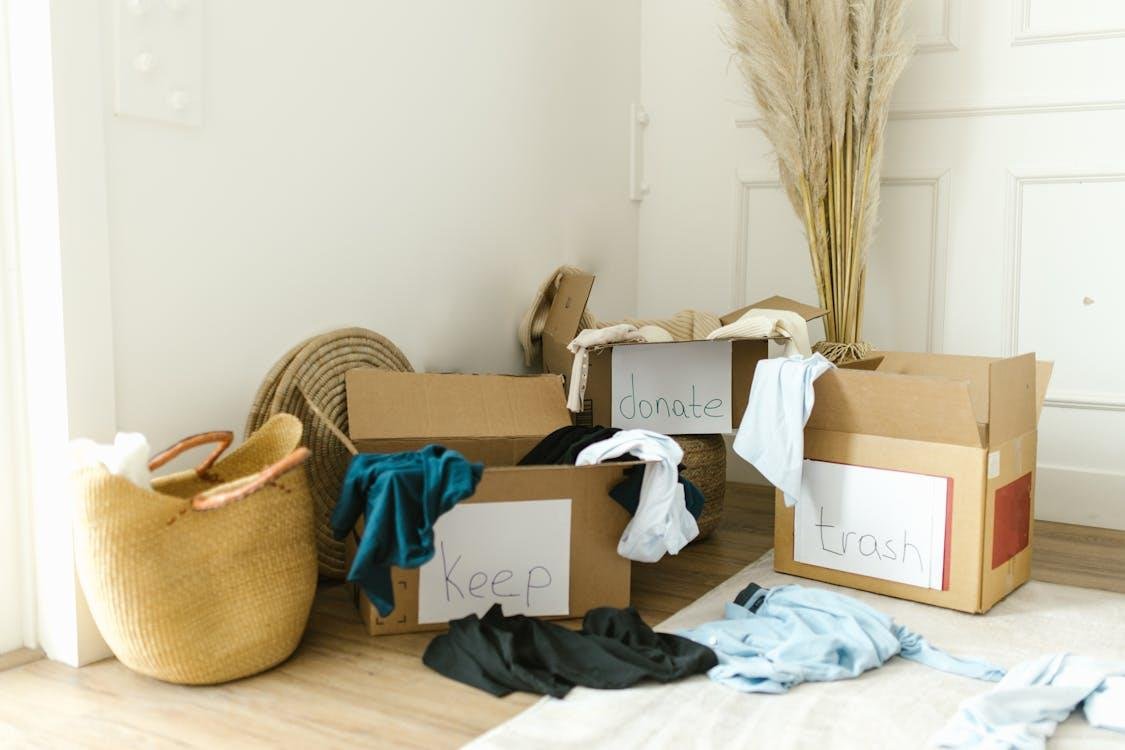
Have you ever looked around your Florida home and wondered how every surface filled up so fast? Between online shopping, busy schedules, and years of “I’ll deal with it later,” clutter builds quietly. Now more people are working from home and spending more time indoors, which makes that clutter harder to ignore. In this blog, we will share how to start decluttering your home in a way that feels practical, realistic, and lasting.
Tackle High-Impact Areas First
While it may be tempting to start with a hidden closet, focusing on high-traffic areas creates visible progress that motivates continued effort. Begin with entryways, living rooms, and kitchens. These spaces shape your daily experience and influence how your home feels.
In entryways, remove shoes and coats that do not belong to the current season. Install simple hooks or a narrow bench with built-in storage to manage daily items. Clear pathways reduce stress and make leaving the house easier.
In living rooms, remove decorative items that no longer serve a purpose. Keep surfaces mostly clear, allowing a few meaningful pieces to stand out. Cords and electronics should be organized with cable ties and concealed where possible. Open space creates visual calm.
Kitchens benefit from systematic sorting. Discard expired pantry goods and duplicate utensils. Group similar items together, such as baking supplies or snack containers. Store frequently used items within easy reach and less-used items on higher shelves. Efficient kitchen organization saves time and reduces frustration during meal preparation.
Bathrooms often collect unused products. Dispose of expired medications and old cosmetics. Limit countertops to daily essentials. Store backups in labeled bins under sinks or in cabinets.
Create Breathing Room with Smart Storage Decisions
As you sort through belongings, you will likely find items that you do not use daily but still want to keep. Seasonal decorations, family keepsakes, and extra furniture often fall into this category. Instead of cramming them back into closets, consider whether off-site storage might help.
If you’re looking for facilities that offer self storage St James has several secure and well-maintained options that provide climate-controlled units and flexible access. Using a reputable storage facility allows you to keep valuable items safe while freeing up space at home. Positive storage solutions reduce stress during the decluttering process and prevent your garage or attic from becoming an overflow zone again.
When selecting a storage unit, think carefully about size. Choose a space that fits your needs without encouraging you to keep unnecessary items. Climate control protects wood furniture, electronics, and important documents from humidity and temperature swings. Organized shelving within the unit makes it easier to retrieve items when needed.
Back at home, focus on functional storage that supports daily life. Clear bins for pantry goods, drawer dividers for utensils, and labeled baskets for cleaning supplies create order without complexity. Avoid buying excessive storage containers before decluttering. First reduce your belongings, then choose storage that fits what remains.
Closets deserve special attention. Remove everything and assess what you actually wear. Arrange clothing by type and season. Store off-season items in labeled bins or vacuum-sealed bags. This rotation system keeps closets manageable and reduces visual clutter.
Paper clutter often overwhelms households. Sort mail immediately. Shred sensitive documents you no longer need and scan important paperwork for digital storage. A small filing system for essential documents prevents piles from forming on kitchen counters.
Shift Your Mindset Before You Move a Single Item
Decluttering does not begin with trash bags. It begins with a decision about how you want your space to function. Over the past few years, many households have turned living rooms into offices, kitchens into classrooms, and spare bedrooms into storage zones. When rooms serve too many roles, clutter grows faster than we notice.
Before sorting through drawers, define your goal. Do you want a calmer living room, a more usable kitchen, or a bedroom that feels restful instead of crowded? Write down what each space should do for you. This step gives direction and prevents you from simply shifting clutter from one corner to another.
Next, set a clear boundary for your time. Decluttering an entire home in one weekend sounds productive, yet it often leads to burnout. Choose one room or even one category, such as clothing or paperwork. Commit to focused sessions of one to two hours. Short, consistent efforts build momentum better than one exhausting marathon.
Gather supplies before you start. You will need boxes for donations, sturdy trash bags, and containers for items that belong in other rooms. Label everything clearly. Clear categories reduce second-guessing and keep the process moving.
Be honest about what you use. If an item has not served a purpose in the past year, question its value. Sentimental objects deserve consideration, yet they should not dominate every shelf. Keep meaningful items, but store them in a defined place instead of scattering them across the house.
Decluttering also requires accepting that buying habits shape clutter. Online shopping makes it easy to add new items quickly. A pause before each purchase can prevent future piles. The goal is not to remove personality from your home but to give each item a purpose and place.
Build Habits That Prevent Clutter from Returning
Decluttering once does not guarantee long-term order. Sustainable change depends on daily habits. Adopt a one-in, one-out rule for clothing and household goods. When you bring in a new item, remove one you no longer need.
Create weekly reset routines. Spend fifteen minutes each weekend returning items to their proper places. This small commitment prevents gradual buildup. Encourage all household members to participate. Shared responsibility maintains order more effectively than one person managing everything.
Be mindful of emotional triggers that lead to clutter. Sales promotions, holiday gifting, and seasonal trends can encourage overbuying. Pause before purchasing and ask whether the item supports your defined space goals.
Technology can also contribute to clutter in subtle ways. Old devices, unused chargers, and outdated gadgets pile up in drawers. Recycle electronics responsibly and keep only what you actively use.
Decluttering is not about achieving a perfect home. It is about creating a space that supports your daily life without unnecessary distractions. As more people balance work, family, and personal time within the same walls, organized spaces improve focus and well-being.
Starting the process requires intention and patience. By shifting your mindset, making smart storage decisions, tackling high-impact areas, and building lasting habits, you can transform cluttered rooms into functional spaces. The result is not just a cleaner home but a calmer environment that reflects how you want to live.