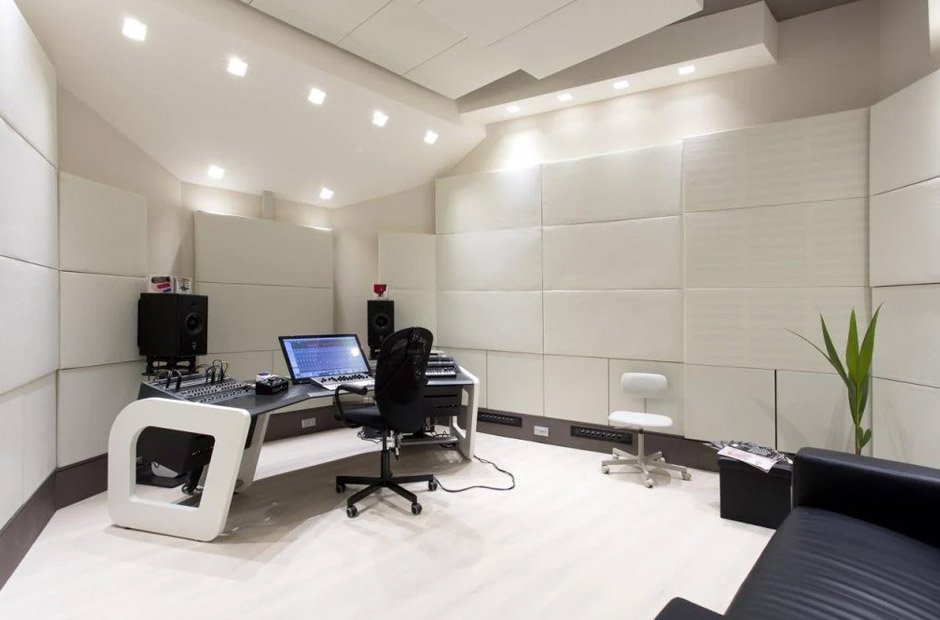
Creating the ideal acoustic space is now a top priority for music producers, podcasters, and content creators alike. In today’s fast-paced world, noise pollution is a real and growing concern, and ensuring your studio is effectively soundproofed is essential for both productivity and creativity. Implementing proper soundproofing solutions improves not only recording quality but also helps keep external distractions at bay. For those seeking high-quality products, Australia offers a variety of sound proofing panels Australia, making it easy to upgrade your studio environment efficiently and affordably.
Modern studio soundproofing blends traditional construction methods with innovative technologies to enhance noise isolation, crucial for home studios, commercial recording suites, and urban production hubs. Understanding the fundamentals of soundproofing is essential for reducing unwanted noise and improving audio quality. Tailored solutions involve using a mix of sound-blocking and sound-absorbing materials to achieve a professional acoustic environment. Additionally, advanced, sustainable materials like metatiles and innovative insulation enhance sound frequency control and support eco-friendly studio designs, making effective soundproofing an essential element of modern creative spaces.
Understanding Soundproofing
Soundproofing is the science and practice of blocking, absorbing, or mitigating unwanted sound transmission into or out of a given space. Studios must prevent both outdoor noises from entering and in-house sounds from escaping, especially in dense, urban environments. Effective soundproofing methods are based on four primary principles: adding mass, damping, decoupling, and sealing gaps and air leaks. Each method targets a different aspect of sound transmission, and professional studios use a mix of these approaches for the best results.
Adding Mass for Sound Isolation
Heavy or dense materials have a greater ability to block sound. Increasing the mass of walls, ceilings, and floors is a cornerstone of sound isolation. Common materials include multiple layers of high-density drywall and Mass Loaded Vinyl (MLV), both of which significantly reduce airborne sound transmission. MLV is especially recommended for modern studios due to its flexibility, ease of installation, and effective performance in both new construction and retrofits. Applying several layers of drywall and installing dense insulation in wall cavities helps prevent sound from traveling between rooms.
Decoupling Structures
Decoupling physically separates structures, such as walls or ceilings, to hinder the direct transfer of vibrations. This method is particularly valuable in studios built in shared buildings or near heavily trafficked areas. Techniques include double-wall or staggered stud construction, creating a cavity with air gaps between surfaces, and using resilient channels or sound-isolation clips. By interrupting the path sound waves travel, these techniques drastically minimize vibration and flanking noise, improving overall noise insulation. Decoupling is one of the most effective strategies for controlling impact noise and achieving maximum isolation.
Acoustic Treatment
While structural soundproofing blocks external noise, acoustic treatment manages how sound behaves inside the studio. Acoustic panels, foam tiles, and diffusors help reduce echo and reverb, making audio recordings clear and crisp. These treatments are strategically placed on walls and ceilings to absorb mid- and high-frequency sounds, while decorative options can enhance a studio’s atmosphere without sacrificing acoustic quality. For many, integrating functional yet aesthetic sound-absorbing elements is an important consideration, as it blends the needs of both performance and design.
Addressing Low-Frequency Sounds
Low-frequency sound waves, such as bass and rumble, are notoriously difficult to control and often require specialized solutions. Bass traps, which are thick, dense absorbers designed to work in specific room locations (typically corners), are crucial for addressing these problematic frequencies. When positioned correctly, they prevent bass build-up and help maintain a balanced sound profile within the recording or mixing environment. Choosing the right bass traps and properly placing them will ensure studio audio is free of muddiness and resonance.
Eco-Friendly Materials
As sustainability becomes a primary concern, many studios are moving towards eco-friendly soundproofing materials. Recycled denim insulation, natural cork, cellulose, and wool panels are effective at insulation and noise reduction, with the added advantage of reducing the construction’s carbon footprint. Not only do these materials contribute to sustainability efforts, but they also release fewer toxins into the air, supporting a healthier work environment for creators and musicians.
Advanced Technologies
The rapid advancement of technology has enabled innovative approaches in the fight against unwanted noise. Ceramic metatiles, for example, incorporate phononic metamaterials to control how impact sound travels across tiled floors and surfaces. Their optimized design dramatically limits the propagation of sound waves, offering a new approach to noise insulation. Emerging techniques also include smart acoustic panels that adapt their absorption properties dynamically based on room usage or incoming sound frequencies.
Conclusion
Optimal soundproofing is a crucial investment for every modern studio. By understanding the science and applying the right blend of mass, decoupling, acoustic treatment, and emerging technologies, you can tailor solutions to fit every unique studio challenge. As more musicians, podcasters, and media professionals seek high-quality sound, the need for sustainable, effective soundproofing will only continue to grow, ensuring the creative process is never interrupted by unwanted noise.