Some shed styles feel like they were designed for a catalog photo and not much else. They look interesting, but once you start picturing your mower, tools, shelving, and the usual “where do we put this?” items, you realize the layout is awkward or the proportions feel off. Pioneer-style cabin sheds don’t have that problem. They’re one of those designs that keep showing up year after year because they’re built around common sense.
They look good, but they’re not trying too hard. They feel sturdy without being bulky. And they’re flexible enough to handle how people actually use a shed, which is rarely just one thing forever.
If you’re the kind of homeowner who wants a structure that will still feel right five or ten years from now, pioneer cabins are worth a close look.
What a Pioneer Cabin Shed Is (In Plain Terms)
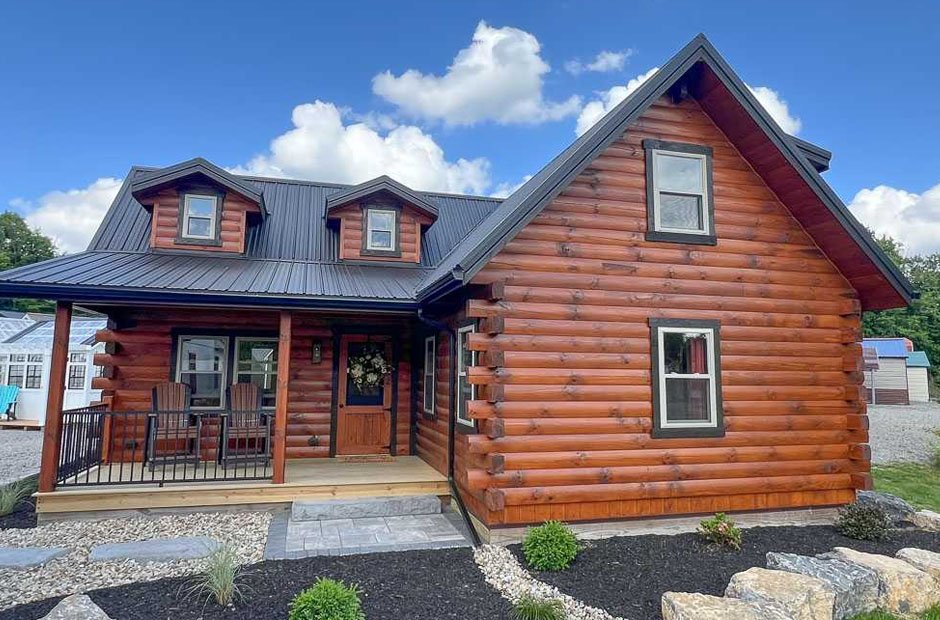
A pioneer cabin shed is basically the shed version of a classic cabin. Not a fancy log cabin, not a tiny house, not a trendy studio pod. More like the simple, timeless “small building” look that fits almost anywhere.
Usually you’ll see:
- A straightforward roofline and balanced shape
- Traditional door and window placement
- A clean exterior that pairs well with different home styles
- An interior layout that isn’t fighting you when you try to organize it
It’s a design that tends to feel permanent. Like it belongs on the property, not like something temporary you bought to handle overflow.
If you want to see what that looks like across different sizes and variations, take a look at Pioneer cabin sheds to get a feel for how the same style can work as simple storage, a workshop, or a more finished backyard space.
Why This Style Keeps Selling
People don’t keep buying pioneer cabins because they’re “trendy.” They buy them because they solve problems without introducing new ones.
They look right in most neighborhoods
Some sheds can look out of place fast. A pioneer cabin is usually neutral enough to blend in whether you live in a suburban neighborhood, a semi-rural area, or on a larger piece of land.
The proportions are practical
A weirdly shaped shed might look cool, but it can be frustrating to use. Pioneer cabins tend to have clean walls and predictable corners. That matters when you’re installing shelves, rolling in equipment, or building out a workspace.
They adapt over time
The shed you buy for storage today might become a workshop later. Or a hobby room. Or a backyard office. Pioneer cabins transition between uses better than many other styles because the layout doesn’t feel specialized.
They feel sturdier
This is hard to explain until you’ve stood inside different shed styles. Some feel like storage containers. Pioneer cabins typically feel more like a small building. That “feel” matters, especially if you plan to spend time inside.
How Homeowners Actually Use Pioneer Cabin Sheds
You can do almost anything with a pioneer cabin, but a few uses come up again and again because the layout supports them well.
1) Storage That Stays Organized
A lot of homeowners buy a shed because the garage stops being usable. But here’s the problem: if the shed is cramped, poorly laid out, or too dark, it becomes a place you throw things into and avoid.
Pioneer cabins tend to work better because you can set them up logically:
- Shelving along the side walls
- Clear walkway down the middle
- Heavier items near the doors
- Seasonal items stored higher up
A shed that’s comfortable to walk into is a shed you’ll keep organized.
2) Workshop Space Without Sacrificing the Garage
Plenty of people want a place to build or fix things, but they also want to park their car indoors. A pioneer cabin can handle a simple workshop setup without making the space feel cluttered.
A practical workshop layout usually includes:
- One sturdy bench along a side wall
- Pegboard or wall storage for tools
- A clear floor area for projects
- Strong lighting so you’re not working in shadows
The main thing is floor strength. If you’re storing heavy tools or equipment, make sure the shed you choose is built for that kind of weight.
3) Hobby Room Where Projects Can Stay Out
This is one of the most underrated benefits. If you have a hobby that requires setup time, you know how quickly it gets pushed aside when life gets busy. A dedicated space changes that.
A pioneer cabin makes a good hobby room because it doesn’t force you into a weird layout. You can add a table, storage bins, shelves, or whatever your hobby needs, and it typically fits naturally.
4) Simple Backyard Office
Not everyone wants a modern-looking “backyard pod.” Some people want a structure that looks like it belongs with their home. Pioneer cabins do that well.
If you plan to use it as an office, the biggest factors are comfort and light:
- Windows placed where they bring in light without causing glare
- Basic insulation if you’ll use it during hot or cold months
- Electrical planning for outlets, lighting, and internet equipment
The benefit is separation. When your office is outside the house, you don’t feel like work is sitting in the next room all evening.
Build Quality: The Stuff That Matters More Than Style
A shed can look great and still disappoint if it’s not built well. When you’re evaluating a pioneer cabin, focus on the structural basics.
Floor system
This is a big one. A shed floor isn’t just a surface, it’s support. If you plan to store equipment, add shelving, or use it as a workshop, confirm the floor is designed to handle real weight without flexing.
Framing
Strong framing helps a shed stay square over time. Weak framing can lead to doors and windows shifting, which becomes a headache years down the road.
Roofing
The roof protects everything inside. Quality roofing materials and proper installation matter, especially if your area sees heavy rain, strong wind, or snow.
Exterior durability
Siding and trim need to hold up to real weather. A shed lives outdoors full-time, so materials matter more than most buyers expect at first.
The “Right Size” Problem
Ask shed owners what they would do differently, and you’ll hear this constantly: “I should have gone a little bigger.”
That’s because most people size a shed for what they own today, not what they’ll own after they start using the shed.
A better way to choose size:
- List what must fit inside immediately
- Add space for shelves and a walkway
- Consider your future use (workshop, office, hobby)
- Give yourself breathing room
The difference between “it fits” and “it’s comfortable” is huge. Comfort is what determines whether the shed becomes a space you use or a space you avoid.
Planning for Upgrades Later
Even if you’re buying the shed for storage right now, think about future upgrades. Pioneer cabins work well for this because the shape is simple and the layout is flexible.
Upgrades people often add over time include:
- Insulation for seasonal comfort
- Interior wall finishing
- Electrical wiring for lighting and outlets
- Extra ventilation
- Shelving and storage systems
You don’t need to do everything at once. You just want a shed that won’t limit you later.
Placement and Site Prep: Where People Get Burned
A great shed placed on a bad base can become a problem. Doors can stick, floors can feel uneven, and moisture issues can show up faster than you’d expect.
Before delivery, confirm:
- The base needs to be level and stable
- Drainage should carry water away from the shed
- Delivery access needs to be clear
Also think about how you’ll use the shed. If it’s a workshop, you might want it closer to the house or driveway. If it’s an office, you might want more privacy. Those small placement choices can affect how often you use the space.
Why Pioneer Cabins Have Staying Power
A lot of shed designs look interesting, but pioneer cabins keep winning because they’re built around how people actually live. They don’t assume you’re using the shed for one purpose forever. They give you a solid, good-looking structure that can evolve with you.
They also age well. A simple design that looks good now will usually still look good years later. That’s a big deal if you’re investing in a structure you expect to keep.
Final Thoughts
If you want a shed that feels like a real building and not just a storage box, pioneer cabin style is a strong option. It’s practical, flexible, and visually timeless. Whether you use it for organized storage, a workshop, a hobby space, or a backyard office, the design tends to support real-life use without making things complicated.