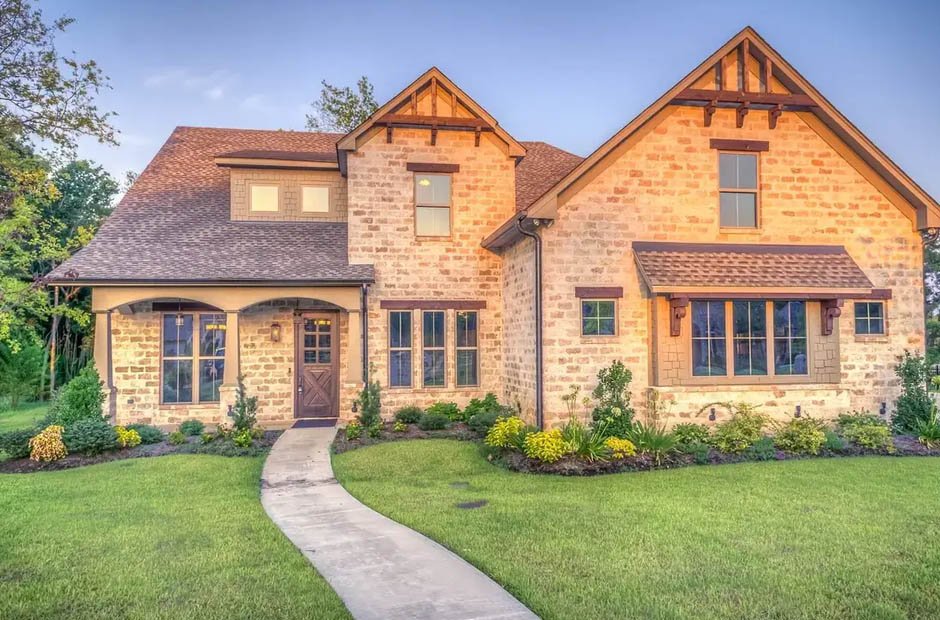
When it comes to selling a home or maintaining its value, first impressions are more than just aesthetic—they are financial. Before a home inspector even steps through the front door, they have already begun their evaluation. The exterior of a property acts as a roadmap, telling the story of how well the home has been maintained over the years.
If you are preparing for an inspection, understanding what pros look for can help you address issues before they become “red flags” on a report. Here is a breakdown of what home inspectors notice first on the outside of a property.
1. Roof Condition and Dark Streaks
The roof is often the most expensive component of a home’s exterior, so it is naturally the first thing an inspector’s eyes gravitate toward. They aren’t just looking for missing shingles; they are looking for Gloeocapsa Magma.
Those dark, vertical streaks you see on many roofs are actually a type of algae that feeds on the calcium carbonate in asphalt shingles. While it starts as a cosmetic issue, it eventually leads to premature granule loss and wood rot. An inspector will note these streaks as a sign of neglect that could lead to moisture-trapping moss and lichen.
2. Siding Stains and Organic Growth
Inspectors pay close attention to the “skin” of the house. On the north-facing sides of a property, where sunlight is limited, green mold, mildew, and algae often thrive.
Dirty or stained siding is a major red flag because it can hide underlying issues. For example, heavy organic growth can trap moisture against the siding, potentially leading to warped boards or water intrusion into the wall cavities. If an inspector sees a house covered in grime, they immediately begin looking for signs of wood rot and pest infestations that typically accompany damp environments.
3. The State of Concrete and Walkways
The condition of your driveway, sidewalk, and porch speaks volumes. Inspectors look for:
- Cracks: Large cracks can indicate soil shifting or drainage issues.
- Salt Damage/Spalling: Pitted concrete looks aged and brittle.
- Oil Stains and Grime: Deeply embedded stains make a property look unkempt.
Dirty concrete is often slippery when wet due to algae buildup, which an inspector might categorize as a safety hazard.
4. Gutters and Drainage
Functional gutters are the first line of defense against foundation issues. An inspector will check if gutters are pulling away from the house or if they are overflowing with debris. If they see tiger-striping (black streaks on the outside of gutters) or plants growing out of them, they know that water is likely pooling near the foundation—a recipe for expensive structural repairs.
The Power of Preparation: Pressure Washing
One of the most effective ways homeowners prepare for an inspection is by deep-cleaning these surfaces. Removing years of buildup allows an inspector to see the actual condition of the materials rather than just the dirt.
By hiring a local pressure washing company, you can instantly eliminate dark roof streaks, green siding, and blackened concrete. This doesn’t just make the house look “new”—it demonstrates to the inspector (and the potential buyer) that the home has been meticulously maintained. A clean exterior suggests that the “bones” of the house are likely in good shape too.
Conclusion
A home inspection can be a stressful process, but the exterior doesn’t have to be a source of anxiety. By addressing stained siding, cleaning your roof, and ensuring your walkways are clear of grime, you present a property that looks—and performs—at its best. Remember, the goal of an inspection is to find the truth about a house; a clean exterior ensures that truth is a positive one.