Key Takeaways
- Identifying changes in a senior’s ability to perform daily tasks is crucial to determining when additional support is needed.
- Ongoing safety concerns, such as frequent falls, are strong indicators that assisted living may be beneficial.
- Social withdrawal and caregiver burnout can both be signs that the current care arrangement is no longer sufficient.
- Careful planning and open communication with loved ones and healthcare professionals ease the transition into assisted living.
Choosing the ideal time to seek additional support for an aging loved one is never easy. Families often feel conflicted between wanting to protect their relative’s independence and ensuring their safety. Noticing difficulties with everyday activities or changes in behavior should prompt careful evaluation and discussion. For those seeking specialized memory care in northern New Jersey, options like memory care Sussex County are available and may address complex needs.
Proactive decision-making, grounded in evidence and compassion, ensures that seniors enjoy the best possible quality of life. Timely intervention prevents unnecessary accidents or health complications and provides appropriate social and emotional support.
Indicators of Declining Daily Functionality
Difficulty performing routine activities such as bathing, dressing, or preparing meals is one of the clearer signs that more support is necessary. When daily routines become overwhelming or unsafe, assisted living facilities can offer structured help. Families may first notice missed appointments, unwashed laundry piling up, or spoiled food in the fridge. In some cases, medication mismanagement or lapses in personal hygiene may pose health threats or diminish self-esteem. Recognizing these signs early can help mitigate larger problems and improve overall safety. If unsure, consult reputable sources to identify additional symptoms and determine thresholds for seeking formal assistance.
Frequent Falls and Safety Concerns
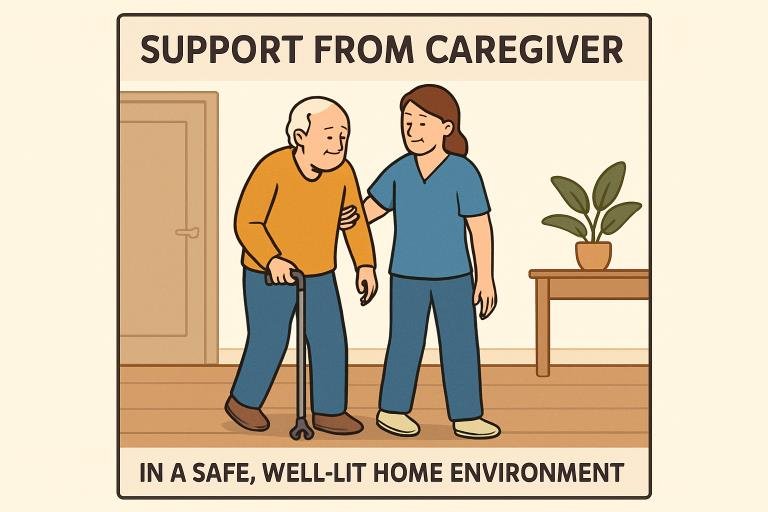
Accidents within the home, especially repeated falls, point to an urgent need for a safer environment. Hazards such as loose rugs, clutter, or insufficient lighting contribute to falls, which can result in broken bones or more severe consequences. Assisted living residences are designed for safety, featuring grab bars, accessible bathrooms, emergency alert systems, and round-the-clock staff availability to respond quickly when needed. According to the CDC, falls are the leading cause of injury among older adults and can diminish both mobility and confidence.
Social Isolation and Emotional Well-being
Withdrawing from friendships or hobbies is another common sign that assisted living may be necessary. Social isolation not only increases the risk of depression but can also accelerate cognitive decline. Assisted living communities facilitate regular activities, group dining, game events, and outings that foster meaningful connections. For families unable to offer regular companionship, community life ensures that residents remain engaged and emotionally supported.
Challenges in Managing Health and Medications
Proper medication management is essential for seniors with chronic health conditions. Missed doses, incorrect medications, or skipped physician appointments can all lead to serious complications. Assisted living facilities have trained staff to track, administer, and refill prescriptions on time, drastically reducing the risk of negative interactions or emergencies. In addition, on-site healthcare coordination can relieve families of the stress of managing complicated health schedules while keeping their loved ones healthy.
Caregiver Stress and Burnout
Family caregivers provide vital assistance but can quickly become overwhelmed, especially when working, raising children, or managing their own health issues. Burnout can manifest as irritability, withdrawal from loved ones, chronic fatigue, or declining mental health. When the caregiving role threatens the caregiver’s own well-being, it is time to seek professional support. Assisted living programs ensure that seniors receive comprehensive, compassionate care, while allowing family members to restore balance in their lives.
Assessing the Need for Assisted Living
Making the transition from independent living to assisted care should involve honest conversations about physical health, cognitive changes, and lifestyle goals. Geriatricians or care managers can provide thorough assessments and recommendations based on clinical expertise. When family members are included in these discussions, everyone’s concerns and aspirations are recognized, helping to create a collaborative plan.
Planning the Transition
Proper planning eases the emotional and logistical stresses associated with moving into assisted living. Visiting several facilities, understanding their services, and encouraging your loved one’s participation in the decision can help them feel empowered. Open communication and transparency throughout the process reduce anxiety and build trust. Families should create a detailed checklist, consider what belongings to bring, and develop a plan for regular visits and reconnecting with old traditions.
Final Thoughts
It is not easy to recognize or accept the signs that a loved one may benefit from assisted living. However, by identifying early indicators, addressing safety and health risks, and planning proactively, families ensure that seniors receive the care and dignity they deserve as they age. Compassion, careful observation, and the willingness to seek help are the foundations of excellent elder care.